
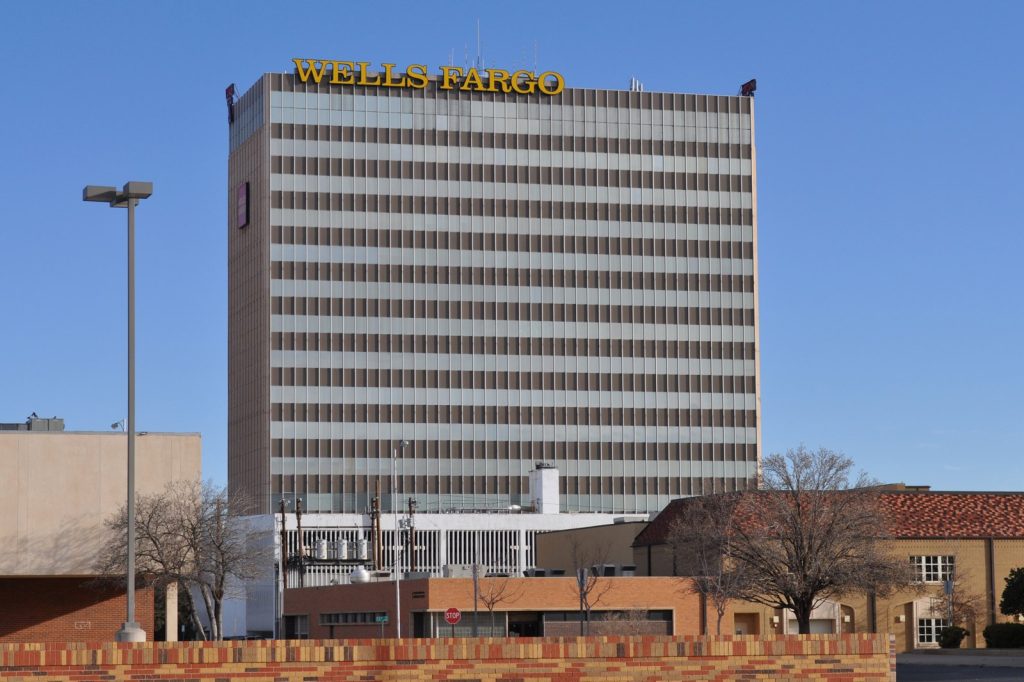
On February 21, 2020, Wells Fargo agreed to a combined settlement worth approximately $3 billion with the U.S. Department of Justice and the Securities and Exchange Commission. The agreement resolves both civil and criminal investigations tied to the bank’s long-running fake-accounts scandal, marking one of the largest penalties levied against a major financial institution in recent years. The settlement addresses allegations that the bank created millions of fraudulent savings and checking accounts for customers without their knowledge or consent.
According to historical records of the scandal, this practice was driven by aggressive internal sales goals. The systematic misconduct first gained widespread attention in late 2016, when it emerged that employees had been opening unauthorized accounts to meet high-pressure sales targets.
Customers began noticing the fraud when they were charged unexpected fees or received unsolicited credit cards, debit cards, or lines of credit. Early reports placed blame on individual branch workers and managers, as well as sales incentives tied to selling multiple financial products. However, responsibility was later attributed to top-down pressure from senior management to maximize account openings.
This $3 billion settlement follows earlier regulatory actions. In 2016, the Consumer Financial Protection Bureau and other regulators fined the company a combined $185 million for the illegal activity.
By the end of 2018, additional civil and criminal suits had reached an estimated $2.7 billion. The February 2020 settlement brings total financial penalties related to the scandal to approximately $3.185 billion, excluding ongoing litigation costs. As part of the agreement, Wells Fargo acknowledged the scope of the misconduct but did not publicly admit to criminal wrongdoing. The bank has stated it has taken significant steps to reform its sales practices, including eliminating product sales goals for retail bankers and improving oversight of customer account openings.
The company also emphasized its cooperation with investigators throughout the process. Regulators have maintained that the bank’s internal culture and management failures created an environment where widespread fraud could occur undetected for years.
The scandal has had lasting legal, financial, and reputational consequences for Wells Fargo and former executives, according to historical records. The bank has faced numerous class-action lawsuits from customers and shareholders, as well as ongoing scrutiny from federal and state regulators. The $3 billion settlement includes a civil penalty paid to the SEC and a criminal fine paid to the DOJ, with a portion designated for victim compensation.
However, the agreement does not resolve all pending legal actions against the bank, and additional civil suits remain outstanding. The bank continues to face investigations by other federal agencies and state attorneys general, as well as ongoing oversight from the Federal Reserve, which imposed an asset cap on the bank in 2018.
Investors and customers are watching for further regulatory actions, potential changes in senior management, and the bank’s ability to restore trust in its operations. The full impact of the scandal on Wells Fargo’s business and leadership remains to be seen as legal proceedings continue.




