
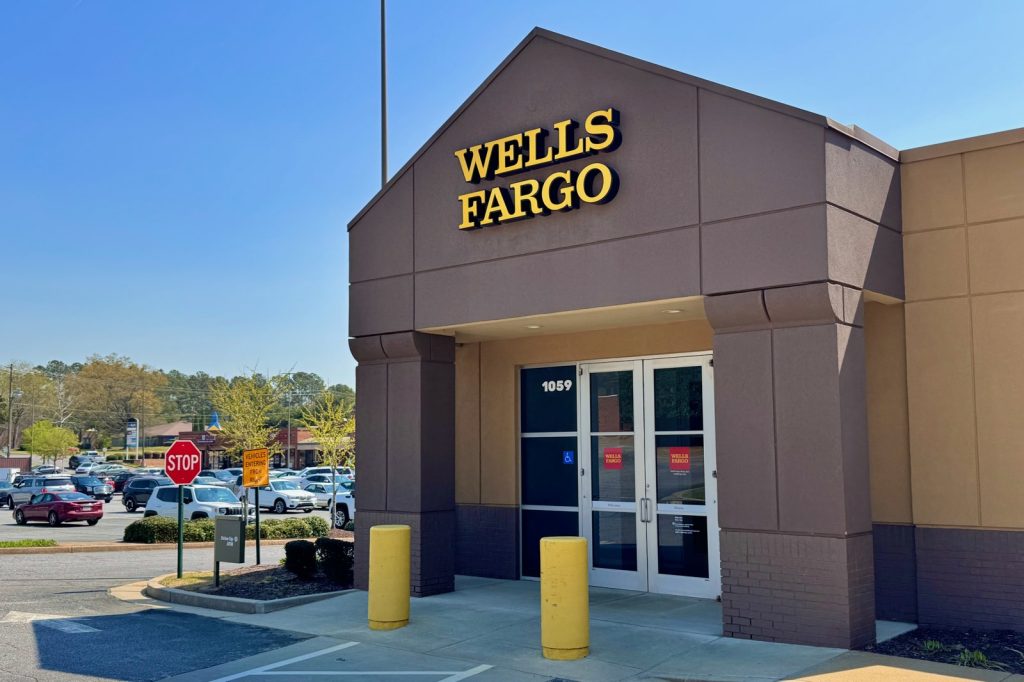
Wells Fargo agreed on Friday, 21 February 2020, to pay $3 billion to end a civil lawsuit and a criminal prosecution brought by the Justice Department over its fake account scandal. The bank, the fourth-largest in the United States, settled with the government as a company. No individual was part of the deal.
“This settlement holds Wells Fargo accountable for tolerating fraudulent conduct that is remarkable both for its duration and scope and for its blatant disregard of customer private information,” said Michael Granston of the Justice Department’s Civil Division.
What the bank admitted
Wells Fargo conceded that staff were pushed to sell large volumes of new products to people who were already customers, often with little thought for what those customers needed. Employees called the practice “gaming”. It meant opening accounts without a customer’s knowledge, issuing credit and debit cards, and shifting money out of existing accounts into the fraudulent ones.
Department officials said the bank also worked to hide the accounts. Signatures were forged, and other Wells Fargo employees were blocked from contacting customers during routine surveys about their accounts.
A senior Justice Department official said customers, creditors and investors were all harmed by conduct in which “the bank was making up sales activities to get a competitive advantage over its customers.”
Where the money goes
None of the payment to the government will go to customers. Officials said Wells Fargo has separately tried to compensate victims for possible losses, such as fees charged or damage to credit ratings.
The Securities and Exchange Commission said $500 million of the total would go to investors who responded to the bank’s promotion of its “cross-sell” strategy, which meant selling more products and services to existing customers.
Under the agreement, the Justice Department will not prosecute the bank criminally during the three-year term, as long as Wells Fargo keeps cooperating with government investigations.
Earlier penalties
The settlement follows other actions. The Consumer Financial Protection Bureau and other regulators fined the bank a combined $185 million over the same conduct, after the scandal became widely known in late 2016. A month before this deal, the Office of the Comptroller of the Currency fined John Stumpf, the bank’s former chief executive, $17.5 million for his role. Other former executives received smaller fines.




