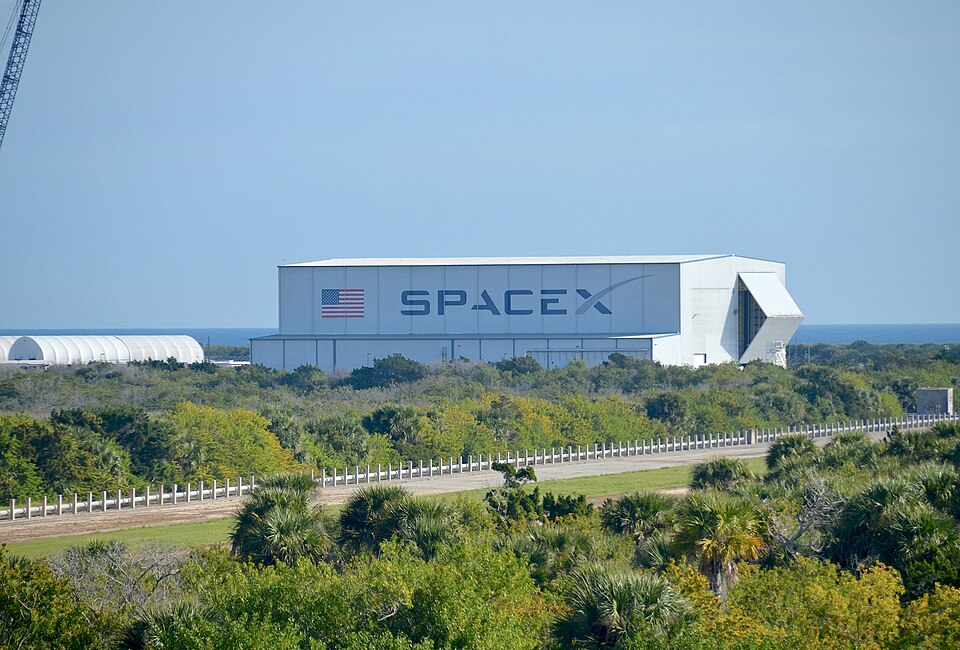
SpaceX went public this month, and in the words of investor Ken Fisher, the listing made Elon Musk a trillionaire. It also created millions and even billions for friends and employees of the company. Fisher, founder and executive chairman of Fisher Investments, argues in a New York Post column that buyers eyeing the next big debut should hold back.
OpenAI, Anthropic, Databricks and Anduril are among the names that could list in the months ahead. Anthropic and OpenAI are expected to do so later this year. Fisher notes that tech and AI sentiment has been hot for many months, and that founders and early investors want the highest price when they sell stakes to the public.
That sets up a tension. Sellers want to sell high, and buyers want to get in low. Fisher asks which side knows more about these companies, and says bank roadshows widen the gap. It is the idea behind a line from his 1987 book The Wall Street Waltz: “IPO” actually stands for “It’s Probably Overpriced.”
The record since 1990
Fisher offers numbers. Since 1990, 52% of newly listed firms trailed the S&P 500 in their first month, by a median of -0.3%. After three months, 60% lagged by a median of -5%. After six months, 63% lagged by a median of -11%.
The picture gets worse with time. A year and two years out, the lag rate approaches 70%, with medians of -20% and -35%. Of the 48% of IPOs that led in the first month, 56% trailed a year later.
Some IPOs do jump early, as SpaceX did, he says, because banks misjudge demand and shortchange the sellers and the company. A flat first day would be ideal, but those are rare, and rarer still are IPOs that live up to the hype over the long run.
Why he says to wait
Fisher dismisses the argument that today’s mega listings are different. He cites the 19th-century retailer John G. Shedd: “Opportunities are seldom labeled.” Name recognition counts for little, he writes, pointing to Facebook’s 2012 debut and Uber’s in 2019. His question for readers: what do you know about these stocks that others do not?
Exits can be hard too. Brokerage rules often restrict selling IPO shares within 30 days, and he says those who gain most are usually investors allocated shares before listing. Even buyers at the issue price may be held by lock-up rules. Early institutional and private owners, meanwhile, may be eager to sell some of their stakes.
A winning trade carries its own hazard, in his view. A pop in an IPO stock feels great, pride swells, and the data show that chasing more of them raises the odds of poorer overall returns. Even if an investor gets in, he adds, getting enough shares to matter is unlikely, and a concentrated position amounts to gambling.
Fisher says expectations are frothy for nearly everything tied to AI and US tech, though he does not think the market is yet broadly in euphoria. High sentiment makes a positive surprise harder to deliver. He also notes that no legendary investor is known for astute IPO picks.
His verdict is short: “Hype is hazardous.”