
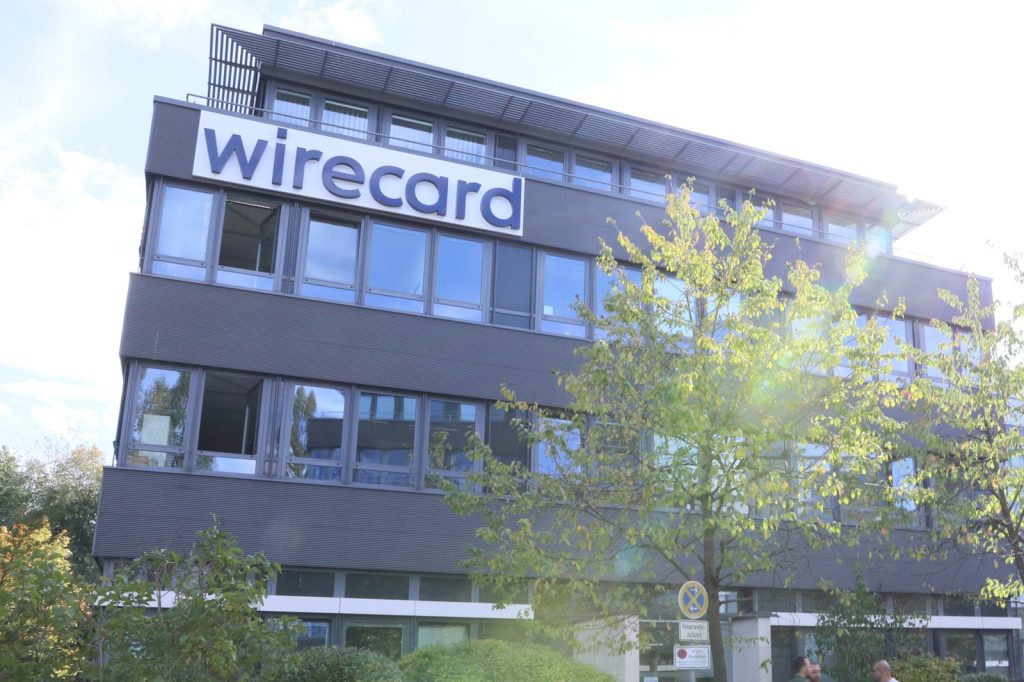
On June 25, 2020, Wirecard AG, until then a star of German fintech, filed for insolvency at the Munich local court, with its management board citing “the threat of insolvency and over-indebtedness.” The trigger was a hole of €1.9 billion, roughly a quarter of the payment processor’s balance sheet, that simply was not there. Bloomberg put the missing sum at $2.1 billion. It was one of the most dramatic corporate collapses in postwar German history, and it had taken barely a week.
The company’s rise had been improbable. Founded in Munich in 1999 by Markus Braun, Wirecard began life processing payments for internet casinos and adult websites, and Braun, an IT devotee who aped Steve Jobs down to the black turtleneck, built it into a national champion. By 2017 it operated on every continent with 5,800 staff in 26 locations serving 313,000 customers, on annual turnover above €2 billion and profits of about €1 million a day. In 2018 it joined the Dax index of Germany’s 30 most valuable listed companies.
The unravelling started when auditor EY said it could not trace the €1.9 billion supposedly held in trustee accounts at two banks in the Philippines. The country’s central bank said the money had never entered its monetary system, and both named banks, BDO Unibank and the Bank of the Philippine Islands, denied any relationship with Wirecard. The following Monday, the board conceded the funds in all likelihood “do not exist”. With loans of €800 million expiring on June 30 and another €500 million on July 1, no lender deal was coming. The shares, which traded around €104 the previous Wednesday, sank to about €2.65, shedding over 95% of their value within days before being suspended in Frankfurt.
Braun resigned that Friday, on which the company also confirmed its Munich headquarters had been searched in a market manipulation probe by regulator BaFin. He handed himself in at a police station and was arrested that Monday evening, then released on a €5 million bail deposit on Tuesday. Prosecutors said they believed he may have artificially inflated the company’s assets and income with fake transactions so it would look stronger to investors and customers. The arrest came about two months after a special six-month KPMG audit had been unable to verify some of Wirecard’s third-party transactions.
The fallout reached wide. EY, which said it was given false information during the 2019 audit and had reported the matter, spoke of “an elaborate and sophisticated fraud involving multiple parties around the world” and warned that “Even the most robust and extended audit procedures may not uncover a collusive fraud”. BaFin, which had previously banned short-selling of Wirecard shares, a first for an individual company, and opened an investigation into Financial Times reporters who had questioned the accounts, saw its president Felix Hufeld call the scandal a “complete disaster”. Berlin law firm Schirp & Partner filed a class action for aggrieved investors that it said could top €500 million. “It is frightening how long Wirecard AG was able to operate without being objected to by the auditors,” founding partner Wolfgang Schirp said. EY’s response: “We don’t comment on pending litigation.”
Sources
- Wirecard files for insolvency amid German accounting scandal | Banking | The Guardian
- Wirecard (WDI DE) Files for Insolvency as Billions Go Missing – Bloomberg




