
The 2019 Hong Kong protests, triggered by the government’s proposal to amend the Fugitive Offenders Ordinance, marked the largest series of demonstrations in the city’s history. The amendment would have permitted the extradition of criminal suspects to mainland China, prompting fears that Hong Kong’s autonomy and civil liberties were under threat. Activists organized a sit‑in at government headquarters on 15 March 2019, followed by a massive rally of hundreds of thousands on 9 June, and a further gathering outside the Legislative Council Complex on 12 June that halted the bill’s second reading. Although the bill was eventually suspended, protesters continued to demand a full withdrawal of the legislation, an independent inquiry into alleged police brutality, and broader guarantees of democratic rights.
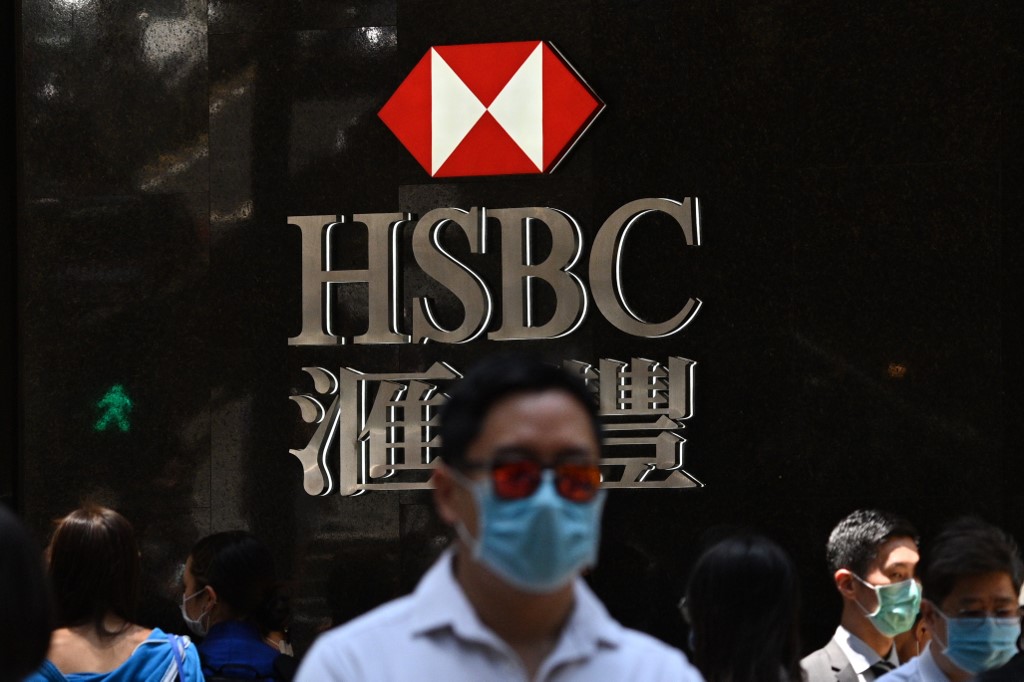
Amid the unrest, HSBC was reported to have frozen the bank accounts of several pro‑democracy activists. Critics described the move as an attempt to curb dissent and limit the financial resources needed for organizing protests. The bank’s actions attracted sharp condemnation from human‑rights observers and Western media, who argued that HSBC was effectively supporting the Hong Kong government’s effort to silence opposition voices. Despite the reputational blow to HSBC in Western markets, the bank did not incur any regulatory fines for the account freezes, a fact that some commentators have cited as evidence of insufficient oversight.
HSBC has since highlighted its investment in compliance and risk‑management frameworks, asserting that the account closures were carried out in line with applicable laws and regulations. In the wake of the controversy, the bank pledged to improve transparency and accountability, introducing new policies for handling sensitive accounts and transactions. While these steps represent progress, critics maintain that the measures fall short of addressing the underlying concerns that led to the 2020 scandal.
The broader protest movement succeeded in prompting the withdrawal of the extradition bill and raising public awareness of the need for governmental and corporate transparency. Nevertheless, many of the five core demands articulated by protesters—including an independent probe of police conduct—remain unmet. The episode underscores the tension between corporate compliance obligations and broader human‑rights considerations, especially when financial institutions operate in politically charged environments.
Observations from the historical record suggest that the lack of regulatory penalties for HSBC highlights gaps in the existing oversight regime, raising questions about how similar incidents might be prevented in the future. The episode serves as a reminder that corporations, particularly those with global reach, face moral imperatives to prioritize human rights alongside legal compliance.
Looking ahead, analysts stress the importance of continued vigilance by civil‑society groups, regulators, and shareholders to ensure that financial entities do not become tools for political repression. The HSBC account‑freeze case remains a reference point for debates on corporate responsibility, the rule of law, and the protection of democratic freedoms in Hong Kong and beyond.




