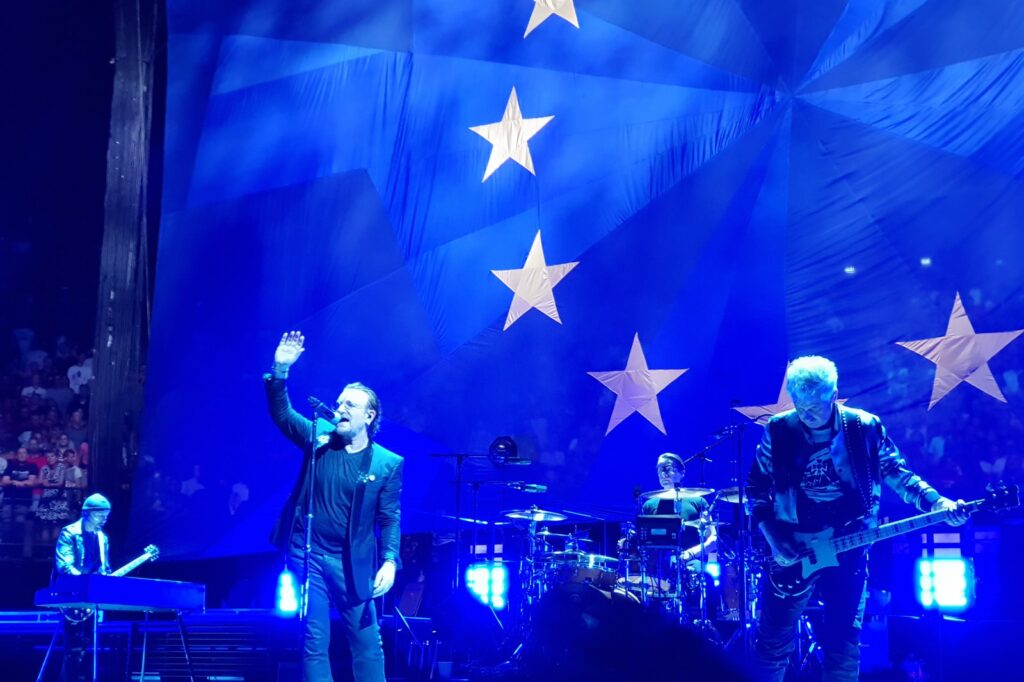
The Economics of the Front Row
Paul David Hewson, known globally as Bono, has long been a figure who commands attention both on stage and in the boardroom of social justice. As the founding member, lead vocalist, and primary lyricist of U2, the Irish singer-songwriter has built a career that spans decades of musical innovation and philanthropic activism. Yet, in the current economic climate, his most pressing public role has shifted from the podium to the pricing desk. As U2 prepares for its 2027 world tour, the band’s ticketing strategy has become a focal point for debate regarding the accessibility of live entertainment. Bono has stepped forward to defend the band’s approach, arguing that the mechanics of their pricing model are designed to balance commercial viability with genuine fan access. This is not merely a discussion about concert tickets; it is a case study in how legacy brands navigate the inflationary pressures of the modern live entertainment industry.
A Strategy of Tiered Access
The core of Bono’s defense rests on a dual-track pricing structure that the band has employed for years. According to recent comments made by Bono, U2 has no problem charging wealthy fans premium prices for concerts. The logic, as articulated by the frontman, is that the band has long sought to balance expensive ticket options with affordable access to some of the best locations in its venues. This approach allows the band to capture revenue from high-net-worth individuals without excluding the core fan base from the most desirable seating areas. The mechanics here are straightforward: by offering a low published “standard” ticket price, the band maintains a baseline of affordability. Simultaneously, they generate additional revenue from fans willing to pay more for premium locations or experiences, utilizing platinum or surge pricing practices. This model ensures that the financial burden of the tour is distributed across a wider spectrum of income levels, rather than relying solely on mid-tier pricing that might alienate both the budget-conscious and the ultra-wealthy.
Bono has been explicit about this separation of markets. In an interview with David Marchese on The New York Times’ The Interview podcast, he stated, “We also have no problem separating rich people from their money.” This quote, highlighted by Business Insider, illustrates an increasingly common approach in the concert industry. The catch, however, is the perception of fairness. While the band argues that this model protects the integrity of the show for everyone, critics often view the disparity between the lowest and highest price points as exploitative. Bono acknowledges that attending a U2 concert can represent a significant expense. He has stated that he wants fans to feel good about their decision to purchase tickets, even when they may have paid more than they would have preferred. This psychological component of pricing is crucial in a market where emotional connection to the artist often overrides rational cost-benefit analysis.
The 2027 Tour and Brazilian Pricing
The practical application of this strategy is visible in the ticketing structure for U2’s upcoming 2027 world tour. As presales begin, the pricing for the band’s Brazilian concerts offers a clear window into the band’s financial architecture. For the March 10 and 12 performances at Estádio MorumBIS in São Paulo, prices range significantly depending on the tier of access. According to Ticketmaster Brazil’s official pricing information, full-price admission begins at R$500 (approximately $100 USD) for a special Fan Ticket option. This entry point is designed to be accessible to a broad audience, ensuring that the band maintains a connection with its core fanbase in a major international market.
However, the price curve rises steeply as one moves up the seating hierarchy. Traditional grandstand tickets are priced at R$690 ($138), while general admission floor tickets cost R$790 ($158). For those seeking a closer vantage point, premium floor admission is listed at R$1,550 ($310), and Gold Circle tickets are priced at R$1,750 ($350). The top end of the market is reserved for the most exclusive experiences. The band offers a (RED) Zone option at R$3,000 ($600) and an Ultimate VIP Hospitality package at R$7,547 ($1,510). These figures do not include online service charges, which further increase the total cost. The spread between the R$500 entry ticket and the R$7,500 VIP package is a stark illustration of the band’s willingness to cater to all segments of the market. On closer reading, this structure reveals a sophisticated understanding of consumer behavior, where the availability of a low-cost option legitimizes the existence of the high-cost options.
Industry Dynamics and Artist Control
While the pricing tiers are a deliberate choice by the band, Bono has been quick to note the limitations of artist control in the modern live entertainment business. When asked whether the band has control over ticket prices, Bono replied that artists have “very little” influence over pricing in the current market environment. This admission underscores the complex web of stakeholders involved in a major tour, including venue operators, ticketing platforms, and secondary market resellers. The band’s ability to set the initial face value is real, but the final price paid by a fan is often determined by demand dynamics and platform fees that operate outside the artist’s direct purview. This lack of control is a significant factor in the ongoing debate over ticket affordability, as fans often feel that the prices they pay are inflated by intermediaries rather than the artists themselves.
Despite this limited control, Bono emphasizes that U2 has consistently worked to protect affordable access to desirable locations within its concerts. “What we do in our band is we have, we take the best seats in the house,” Bono explained, describing a longstanding practice of making certain front-of-stage locations more affordable. This practice is a direct counter to the trend in the industry where the most sought-after seats are often reserved for the highest price tier. By keeping some premium locations at a lower price point, U2 aims to ensure that the experience of being close to the stage is not exclusively a privilege of the wealthy. This strategy is a form of brand stewardship, where the band invests in its relationship with the fanbase by offering tangible value at the entry level of the premium experience.
From Stadiums to the NFL Halftime
The 2027 tour is not the only major platform for U2 in the near future. The band has announced that it will headline the halftime show of the NFL’s first Thanksgiving Eve game on November 25, 2026. This appearance provides U2 with another major international platform ahead of its return to stadium touring. The NFL halftime show is one of the most-watched events in American sports and entertainment, reaching a massive audience that extends far beyond the band’s existing fanbase. For a band of U2’s stature, this performance is a strategic move to maintain relevance and visibility in a crowded media landscape. It also serves as a promotional tool for the upcoming tour, driving interest and ticket sales for the 2027 dates.
Bono’s career reflects a trajectory that has consistently intersected with major economic and cultural shifts. Born on May 10, 1960, in Dublin, Ireland, he rose to fame in the late 1970s and early 1980s, leading U2 to global superstardom. Over the decades, he has accumulated 22 Grammy Awards and was inducted into the Rock and Roll Hall of Fame, cementing his legacy as one of the most successful musicians of his generation. Beyond music, Bono has been a prominent activist, co-founding organizations such as DATA, EDUN, the ONE Campaign, and Product Red to fight extreme poverty and HIV/AIDS in Africa. His philanthropic efforts have earned him numerous honors, including being named one of the Time Persons of the Year in 2005, receiving an honorary knighthood from Elizabeth II in 2007, and being awarded the Presidential Medal of Freedom in the United States in 2025.
However, Bono’s public profile has not been without controversy. He has faced criticism for bypassing African businesses in his activist efforts and for tax avoidance in his personal finances. These controversies add a layer of complexity to his current defense of U2’s ticket pricing. While he argues for a fair and balanced approach to concert costs, his critics point to his own financial practices and the broader inequalities in the music industry. The band’s current strategy, therefore, is not just a commercial decision but a public relations maneuver, aimed at reinforcing the narrative of U2 as a band that cares about its fans while maintaining the financial health of its tours. As the 2027 tour approaches, the success of this strategy will be measured not just in box office revenue, but in the continued loyalty and goodwill of the fanbase. The mechanics of U2’s pricing model are a reflection of the broader economic realities of the live entertainment industry, where the line between art and commerce is increasingly blurred. For Bono, the challenge is to keep that line visible, ensuring that the music remains the primary product, even as the price tag climbs.
Sources
- Bono
- The ABA’s Pro Bono Publico Award to the Law School
- Bono Defends U2’s Premium Ticket Pricing as 2027 Tour Goes on Sale
Photo: Benjamin Bellamy (CC BY-SA 4.0)