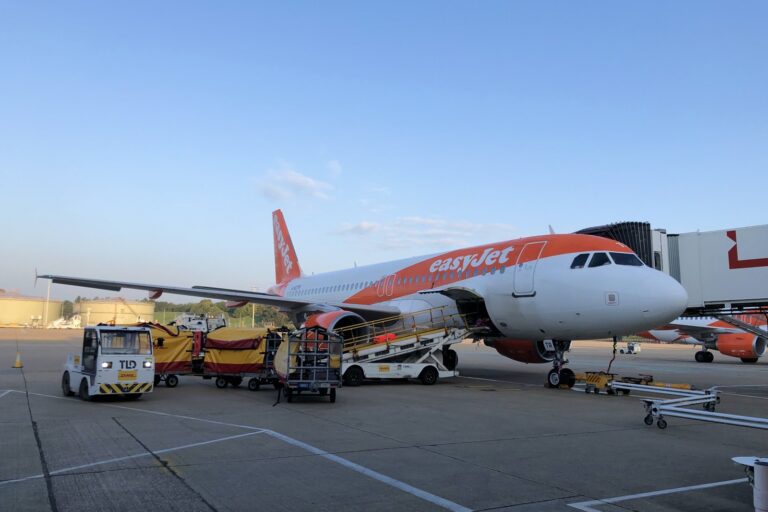
Following a rare nationwide ground stop caused by a telecommunications and tech outage, thousands of airline crew members and aircraft remain displaced across the US. The bottom line is that airline operations recovery models must handle crew displacement and aircraft repositioning after severe disruptions, and the figure that matters is the number of flights canceled and delayed as a result of the ground stop.
Background And Complexity Of Airline Crew Scheduling
Crew scheduling is the process of assigning crews to operate transportation systems, such as rail lines or airlines, and it becomes increasingly complex with variables such as multiple locations, skill requirements, work shifts, and rosters. In air travel, scheduling involves numerous legal constraints related to work shifts, time, and a crew member’s qualifications for specific aircraft. Collective bargaining, federal labor laws, and costly fuel are critical financial and operational considerations in crew scheduling. By the numbers, the complexity of crew scheduling is evident in the fact that airlines must coordinate aircraft operations, crew scheduling, maintenance, airport logistics, and customer service across a vast network of routes and regulatory jurisdictions.
Navigating Federal Labor Laws And Collective Bargaining
Airlines must navigate federal labor laws and collective bargaining agreements, which can affect crew scheduling and displacement. For example, United Airlines reached a settlement with flight attendants over delays getting off the aircraft, which can affect their legally mandated minimum rest period. The settlement allows flight attendants to contact crew scheduling to have their duty time extended, protecting their rest period. Investors will note that this settlement highlights the importance of navigating federal labor laws and collective bargaining agreements in airline operations.
Integrating Modern Software And Legacy Data Platforms
Airlines deploy AI-powered applications while continuing to operate foundational passenger service and crew scheduling systems developed decades ago. However, integrating legacy platforms with newer technologies remains a major industry challenge. The success of AI depends on the underlying data infrastructure, and companies frequently underestimate the importance of preparing their data infrastructure before launching AI initiatives. By the numbers, the challenge of integrating legacy platforms is evident in the fact that airlines must manage the risk of older applications unexpectedly going out of service.
Managing Legally Mandated Rest Periods And Post-Arrival Duty Rules
Airlines must manage legally mandated rest periods and post-arrival duty rules, which can affect crew scheduling and displacement. For example, United Airlines’ settlement with flight attendants highlights the importance of protecting their rest period. The agreement allows flight attendants to contact crew scheduling to have their duty time extended, protecting their rest period. The figure that matters is the number of flight attendants who can benefit from this settlement, which can help reduce delays and cancellations caused by crew displacement.
Recovery Models And Future Airline Operational Resilience
Recovery models are critical in handling crew displacement and aircraft repositioning after severe disruptions. Airlines must coordinate aircraft operations, crew scheduling, maintenance, airport logistics, and customer service across a vast network of routes and regulatory jurisdictions. The bottom line is that airline operations recovery models must be able to handle crew displacement and aircraft repositioning efficiently to minimize delays and cancellations.
Sources
- Airlines Warn Ground Stop Chaos Is Far From Over With Planes & Crews Stuck In Wrong Cities
- Crew scheduling
- United Airlines Reaches Settlement With Flight Attendants Over Delays Getting Off the Aircraft
- Pod-Ed: Why Airline AI Needs Better Data Before Smarter Technology
- United settlement protects flight attendants' minimum rest
- 5 forces creating new opportunities for travel and leisure companies
Photo: Tasha Kostyuk / Unsplash (Unsplash License)