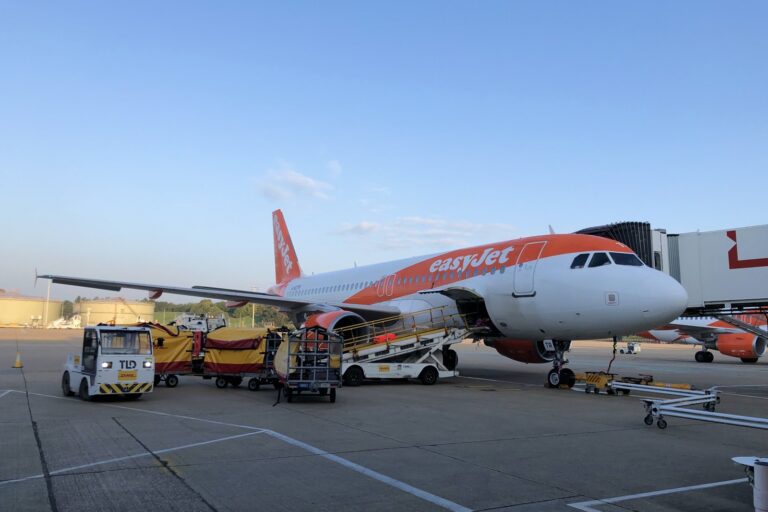
WASHINGTON, D.C., November 14, 2026 — The Federal Aviation Administration lifted a nationwide ground stop at 8:15 p.m. ET Friday after a communications failure paralyzed U.S. airspace for more than four hours. The halt, only the second of its kind since the September 11, 2001 attacks, grounded departures across all 22 regional Air Route Traffic Control Centers.
The Scope of the Operational Collapse
The bottom line: more than 15,000 flights were disrupted, including 6,000 cancellations and 9,000 delays, according to FAA figures cited by the Weather Channel. An estimated 1.5 million passengers were affected. At the moment the stop took effect at 3:54 p.m. ET, roughly 3,500 aircraft were already airborne and permitted to continue to their destinations, while 4,042 inbound international flights were tracked in U.S. airspace, according to Flightradar24.
By 8:00 p.m. ET, Transportation Secretary Sean Duffy said the count of aircraft in U.S. airspace had dropped below 400 as planes landed safely. Major carriers including Delta Air Lines, United Airlines, and American Airlines reported they were resuming operations Friday evening, though JetBlue and Air Canada canceled remaining Friday night flights.
Technical Failure in Aging Infrastructure
Duffy attributed the outage to an overloaded data system in the nation’s aging air traffic control infrastructure. Instability was first detected at 3:36 p.m. ET when routers became saturated with data, degrading radar and communication feeds across TRACON facilities and en-route centers nationwide. The FAA issued the ground stop 18 minutes later as a precautionary measure.
Homeland Security Secretary Markwayne Mullin told the Associated Press that the introduction of new technology into the legacy system overwhelmed it, causing components to crash. Both secretaries emphasized there was no evidence of a cyberattack and that the public was never in danger. The FAA had expanded its AI-powered SMART traffic management system across all 22 centers just three days earlier, though officials have not established a link between that rollout and the failure.
Economic Impact on Commercial Carriers
By the numbers, the ground stop inflicted immediate revenue losses across the carrier network. Airports from Chicago O’Hare and Midway to Dallas-Fort Worth and New York LaGuardia reported significant operational disruptions. European air traffic authorities suspended departures bound for the United States, while Canada and Mexico adjusted operations, extending the financial ripple effect beyond domestic borders.
Investors will note Duffy’s warning that recovery will be slow. Displaced crews and aircraft, combined with federal duty-time limits for pilots and controllers, create a logistical overhang that cannot be cleared overnight. The figure that matters for the coming week is Thanksgiving travel demand; Duffy said he expects the system to catch up before the holiday rush, but weekend weather could compound the backlog.
Challenges in Restoring Flight Capacity
The FAA granted exceptions during the stop for medical evacuation flights, life-saving cargo, and law enforcement aircraft. International arrivals were handled case by case. However, the sheer volume of displaced assets means a simple “restart” is impossible. Crews timed out of legal duty hours, and aircraft parked at gates they were not scheduled to occupy overnight.
Duffy stated at a White House briefing that the agency would move as many flights as possible Friday night depending on crew availability, but a full return to capacity will take time. The January 2023 NOTAM system failure, the only other nationwide ground stop since 2001, took days to fully normalize.
Calls for a $50 Billion System Overhaul
Mullin called for a $50 billion investment to completely overhaul the nation’s air traffic control system, describing the current analog equipment as a decades-old liability. “The legacy equipment will continue to fail,” Duffy said, urging Congress to approve the funding. Congress approved $12.5 billion over five years for upgrades last year, a sum Duffy characterized as insufficient against the scale of the problem.
The outage occurred amid a global fuel crisis triggered by the ongoing Iran conflict, which has driven up operating costs for carriers already operating on thin margins. The White House confirmed President Donald Trump was briefed on the situation Friday.
Sources
- Ground stop lifted hours after stranding thousands of flights across the U.S.
- FAA’s nationwide ‘ground stoppage’ lifted after bringing US air travel to a halt
- FAA lifts nationwide ground stop; 15,000+ flights impacted
- US flight chaos: What went wrong, how America's skies were brought to a standstill and what happens next
- Why did FAA ground flights? Inside 'extraordinary circumstances' forcing only second nationwide halt since 9/11
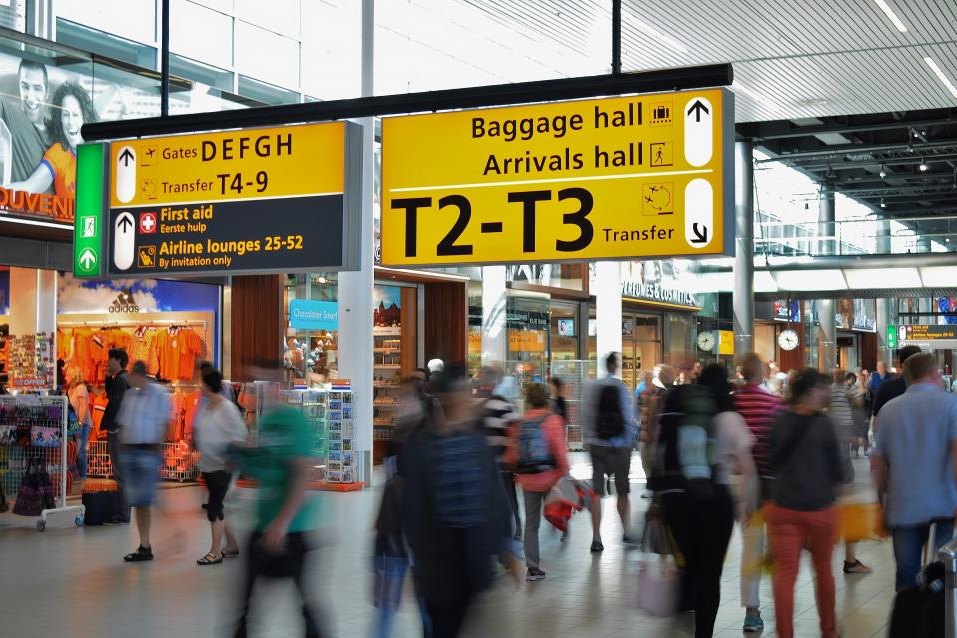
Photo: Skitter Photo / stocksnap (CC CC0 1.0)