WASHINGTON, D.C., November 18, 2026 — Home builder sentiment fell four points to 25 in November, the lowest reading since April 2012, according to the National Association of Home Builders and Wells Fargo Housing Market Index released Tuesday. The collapse in confidence has triggered an urgent policy push from the industry’s largest trade group targeting tariffs, labor supply, and federal land access.
Sentiment Collapse Triggers Urgent Policy Push
The bottom line: builders are pulling back. The HMI reading of 25 signals that a significant majority of builders view conditions as poor. All three major index components declined. Current sales conditions dropped six points to 28, six-month sales expectations slid two points to 30, and prospective buyer traffic fell two points to 16 — a 15-year low excluding the pandemic onset. Regionally, the Northeast fell to 34, the Midwest to 35, the South to 27, and the West to 23.
NAHB Chairman Bill Owens cited a convergence of cost pressures. “Stepped-up immigration enforcement is keeping legal workers off job sites, deepening labor shortages and driving up costs,” Owens said. “Higher fuel prices are prompting subcontractors to raise their rates sharply, and with fewer buyers in the market, more builders are scaling back construction.” Robert Dietz, NAHB chief economist, added that mortgage rates above 7% and softer consumer confidence are holding buyers back.
The figure that matters for inventory: 46% of builders reported cutting prices in November, the highest share in six years, with the average reduction holding at an estimated 6% for the eighth consecutive month. Roughly 68% offered sales incentives, a post-pandemic high marking the 20th straight month that at least 60% of builders have used incentives to move product.
Lumber Tariff Reduction Negotiations With Canada
NAHB is advocating for a long-term deal with Canada to reduce tariffs and boost imported lumber supply. Preliminary combined antidumping and countervailing duties on Canadian softwood lumber recently fell from 35.2% to 25.9%, according to NAHB analysis of Commerce Department data. The antidumping rate dropped from 20.6% to 10.7%, while the countervailing duty rate fell from 14.6% to 14.2%.
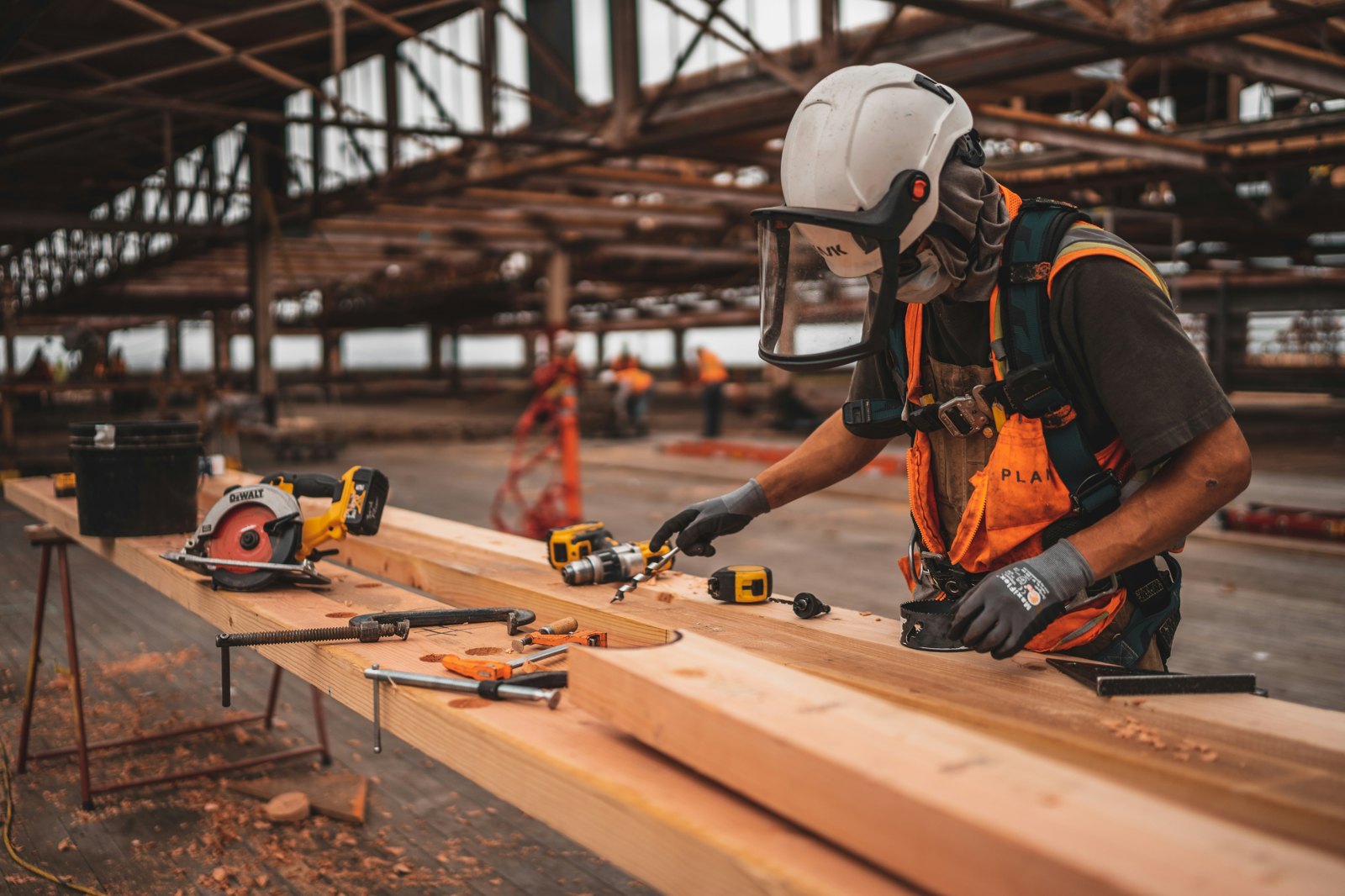
Investors will note a 10% Section 232 tariff remains in effect, resulting in a total 35.9% rate on Canadian imports. Framing lumber priced at $443.65 per 1,000 board feet as of November 13, down from recent highs but still elevated. NAHB argues that softwood lumber volatility stems from increased demand, rising tariffs, supply-chain bottlenecks, and insufficient domestic production. The average new single-family home uses roughly 15,000 board feet of framing lumber plus more than 2,200 square feet of softwood plywood and 6,800 square feet of OSB.
Immigration Enforcement Impact on Labor Supply
Labor shortages are deepening. NAHB represents approximately 140,000 members who build roughly 80% of new U.S. homes annually, making labor availability a sector-wide constraint. Higher fuel costs are compounding the issue, with subcontractors raising rates sharply. No. 2 diesel fuel remained 115.2% above year-ago levels in October despite a 4.6% monthly decline, keeping pressure on site work, material delivery, and off-site construction logistics.
Federal Timber Sales to Boost Domestic Supply
To address the domestic production shortfall, NAHB is seeking higher timber sale targets from publicly-owned lands and the opening of additional federal forest lands for logging. The group also advocates reducing U.S. lumber exports to China and other international clients, while identifying new import markets beyond Canada to reduce reliance on a single foreign supplier. Building materials prices increased 5.8% year-over-year in October despite flat overall goods inflation, according to NAHB analysis of PPI data.
Builder Incentives Mask Underlying Affordability Gap
By the numbers, incentives are bridging a widening gap. New home buyers secured average mortgage rates of 5.01% in Q3 2026 compared to 6.15% for existing homes, according to Realtor.com data cited by NAHB. When including adjustable-rate mortgages and other loan programs, the spread reflects aggressive rate buydowns and lender partnerships. In October, 65% of builders offered sales incentives amid a persistent market slowdown.
Residential construction input costs rose 10.4% year-over-year in October, outpacing overall PPI at 6.5%. Goods inputs climbed 9.8% annually, driven by building materials up 5.8%. Services inputs — covering distribution margins, transportation, and warehousing — surged 11.3% year-over-year, with trade services up 13.2%. The Census Bureau estimated an 8.4-month supply of new homes in September, well above the 5.1-month supply of existing homes. Newly built homes accounted for 16.7% of all listings in Q3, down from 17.2% a year ago.
Sources
- National Association of Home Builders
- Framing Lumber Prices
- Home builder sentiment reaches 14-year low — again
- Buyers are getting lower rates on new home purchases
- Stubborn input inflation pressures builders despite energy pullback
- Builder Sentiment Continues to Decline Amid Affordability Concerns – The MortgagePoint
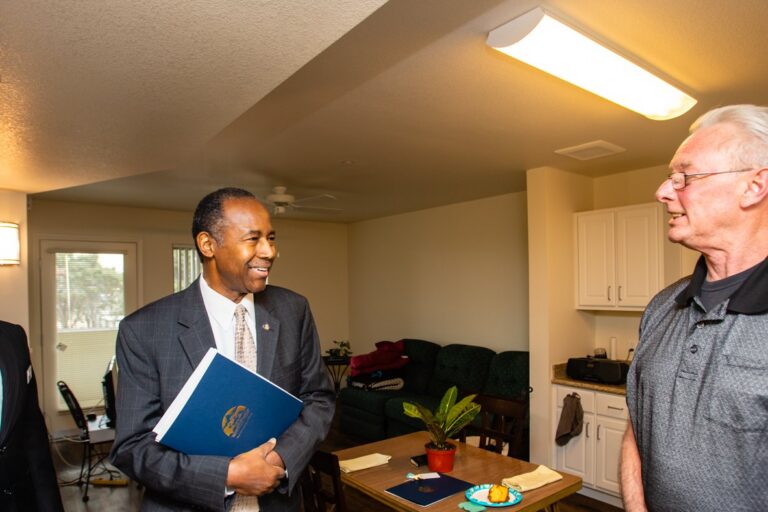
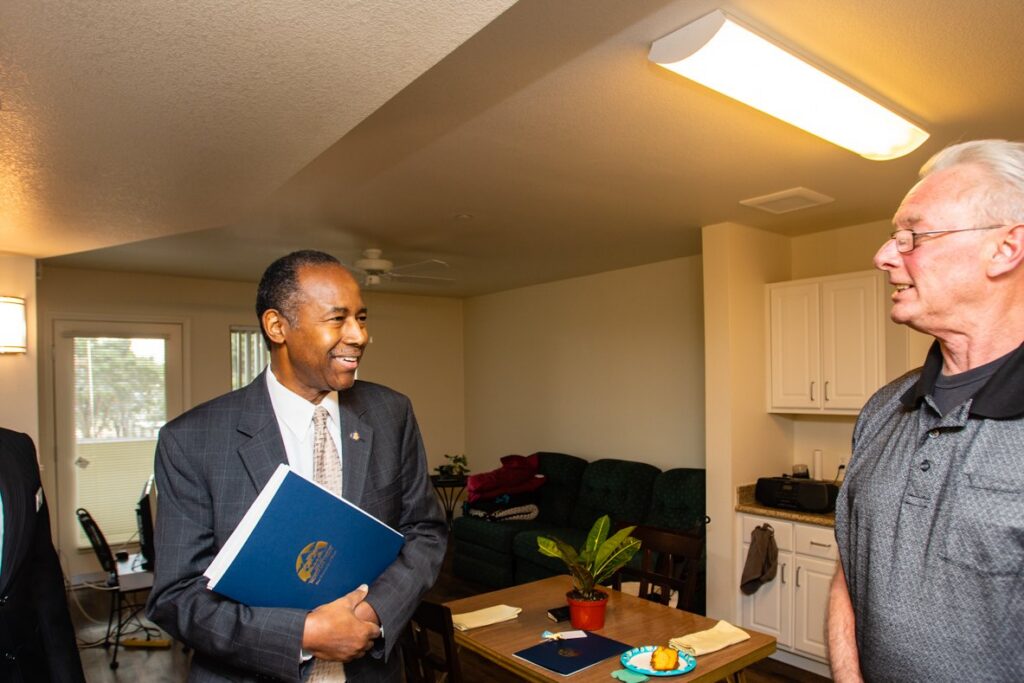
Photo: U.S. Dept. of Housing and Urban Development (HUD) (Public domain)