BROOKLYN, November 24, 2026 — A federal jury convicted Huawei Technologies on ten of twelve criminal counts Tuesday, including conspiracy to steal trade secrets and bank fraud tied to its dealings in Iran. Jurors acquitted the Chinese telecom giant of the most serious charge, racketeering conspiracy, which alleged the company operated as a criminal enterprise.
By the Numbers
The verdict caps a trial that lasted more than two months and featured over 60 prosecution witnesses and 15 defense witnesses. Huawei and three affiliates faced 12 charges total: racketeering conspiracy, bank fraud, wire fraud, sanctions violations, conspiracy to steal trade secrets, and obstruction of justice. The jury returned guilty verdicts on ten counts, rejecting only the racketeering conspiracy and obstruction of justice charges.
The Trade‑Secret Case
Prosecutors said Huawei repeatedly stole technological secrets from U.S. competitors and partners, targeting wireless telecommunications network gear. The indictment named Cisco Systems, Motorola Solutions, T‑Mobile, Quintel USA and Fujitsu as victims. Evidence included a video showing a Huawei employee slipping a piece of a T‑Mobile testing robot into a backpack and testimony about an engineer sneaking into a Fujitsu booth at a Chicago trade show to photograph a device. Prosecutors also alleged Huawei sold routers containing source code copied from a competitor and removed a robotic arm from a rival’s lab to be photographed and measured.
Bank Fraud and Sanctions Violations
The case also alleged Huawei deceived banks about its business in Iran, violating U.S. sanctions and committing bank fraud. Prosecutors said the company misled HSBC, Standard Chartered and BNP Paribas about its Iranian dealings so it could move dollars in and out of the country. “After the media started questioning Huawei’s operations in Iran, so did Huawei’s banks,” prosecutor Meredith Arfa told jurors during closing arguments. Reuters stories in 2012 and 2013 helped expose those operations and were discussed at trial.
Meng Wanzhou Background
The criminal case emerged in December 2018 when Meng Wanzhou, Huawei’s chief financial officer and daughter of the founder, was detained in Canada on a U.S. warrant. She had been secretly indicted for allegedly misleading an HSBC banker in 2013 about Huawei’s Iranian business. Meng fought extradition for nearly three years before entering a deferred prosecution agreement; the charges against her were dropped and she returned to China. A statement attached to that agreement, in which she acknowledged the company illegally conducted business in Iran, was shown to jurors. The HSBC banker she met with in 2013 testified at trial; Meng did not.
Defense and Appeal
Huawei’s defense argued that isolated wrongdoing by a few of its more than 200,000 employees was exaggerated into a grand conspiracy. Attorney Brian Heberlig accused prosecutors of “cherry‑picking” disparate incidents to support a 20‑year conspiracy claim and said the company succeeded through “hard work, innovation, and investment in research and development.” Heberlig said Huawei will appeal the convictions but welcomed the racketeering acquittal as vindication. “That was the only count that brought all of the allegations together,” he said outside court, “and the jury rejected it.”
Geopolitical Fallout
The conviction follows a 2018 indictment and a 2019 trade blacklist that restricted Huawei’s access to U.S. technology. The company remains barred from selling equipment to U.S. carriers and is blacklisted by allies including Canada and Britain. Chinese officials have called the U.S. actions “economic bullying” and an improper use of national security to suppress Chinese companies. U.S. officials have long warned that Huawei poses national‑security risks, citing alleged IP theft and sanctions evasion. Experts note the verdict is unlikely to cripple Huawei’s diversified business, which now includes a major role in China’s AI push and chipmaking as an alternative to suppliers such as Nvidia. The case revives tensions in U.S.–China tech relations, raising questions about future export controls and enforcement actions.
Sources
- Chinese tech giant Huawei is guilty of conspiracy to steal trade secrets, US jury finds – WTOP News
- China's Huawei convicted in US in sprawling criminal trial over Iran business
- China's Huawei convicted in US trial over concealing Iran business from banks | The Jerusalem Post
- Huawei Found Guilty of Trade Secrets Theft and Bank Fraud, but Acquitted of Racketeering Conspiracy | Law.com
- Huawei Found Guilty of Trade Secrets Theft and Bank Fraud, but Acquitted of Racketeering Conspiracy | Law.com
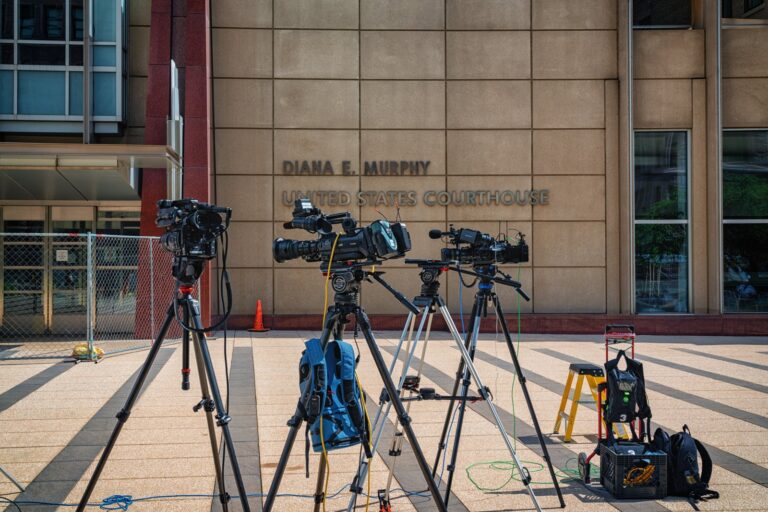
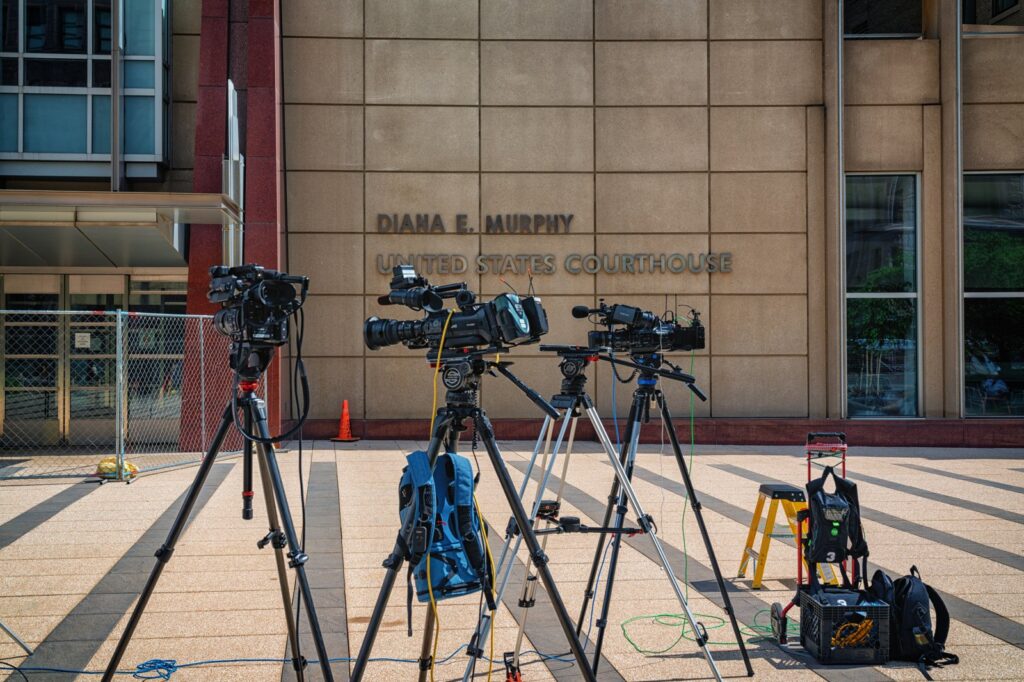
Photo: Tony Webster (CC BY-SA 2.0)