MIAMI BEACH, November 26, 2026 — David Tepper’s Appaloosa Management dumped its entire AMD stake in the third quarter and rotated heavily into Micron Technology, making the memory chipmaker the fund’s largest holding at $1.33 billion. The 13F filed November 16 shows a portfolio being actively rebuilt around AI infrastructure rather than AI silicon.
The Bottom Line
Tepper exited a high-flying chip designer trading at 35 times forward earnings and doubled down on a memory supplier trading at 3.9 times fiscal 2027 earnings. By the numbers, that is a valuation call dressed up as a sector rotation.
The Filing and the Shift
Appaloosa’s third-quarter 13F values the fund’s U.S. equity book at $7.6 billion across 24 positions, down roughly 2.1% from the prior quarter. The top 10 names still command approximately 80% of assets, so any reshuffle at the summit carries weight. Micron now sits at 17.6% of the reported portfolio — 1.25 million shares worth $1.33 billion — after a 28% stake increase. Amazon slipped to 14.7% at $1.11 billion following a 10.5% trim.
Investors will note the complete exits: AMD (197,500 shares), Broadcom, and Qualcomm. On the buy side, Appaloosa added to NVIDIA, opened a $172 million Oracle position, and started a stake in Applied Materials. SpaceX, a private holding, surged 1,626% to an estimated $557 million.
Why AMD, Why Now
AMD’s data center segment delivered $8.55 billion in the quarter, up 97%, with operating margins expanding to 34% from 25%. But the stock priced in perfection. At quarter-end it fetched about 35 times next year’s earnings. Tepper took gains before the stock shed roughly 20% in the weeks after September 30. The figure that matters: gaming revenue fell 40% to $773 million, and management guided for double-digit PC unit shipment declines in 2027. Consumer weakness offset the AI narrative.
Micron’s Draw: High-Bandwidth Memory
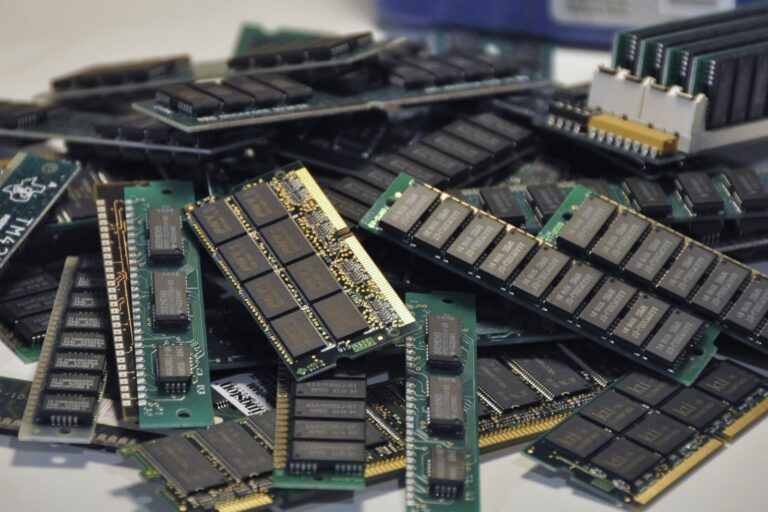
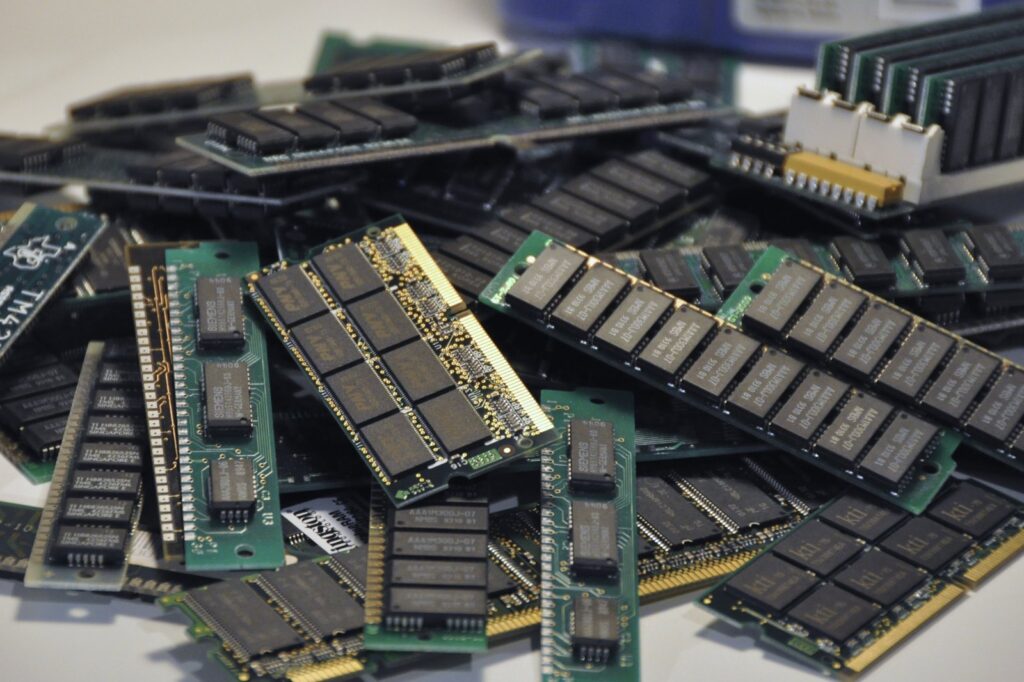
Micron’s pitch is simpler and cheaper. The company has locked in more than $100 billion in customer agreements through 2030, driven largely by high-bandwidth memory (HBM) — the fuel line that feeds data to AI accelerators fast enough to matter. At 3.9 times fiscal 2027 earnings, the market prices in a cyclical bust that has not arrived. Tepper is betting the AI memory cycle has longer legs than the market assumes.
Concentration Signals Conviction
A concentrated book where the top two names alone top 32% of assets means every swap is a high-conviction call. The Oracle addition — 1.25 million shares worth $172 million at quarter-end — buys exposure to cloud infrastructure running at 97.9% GPU utilization with renewals repricing at 20% premiums. Oracle’s $664 billion in remaining performance obligations anchors the thesis, even as capex drives free cash flow to negative $5.4 billion.
The 13F answers what, not why. But the pattern is clear: Tepper is moving from the chip designers fighting for socket share to the memory and infrastructure layers where demand visibility stretches years. The next 13F is due 45 days after December 31.
Sources
- David Tepper Sold All of His AMD Stock. His Biggest Position Is Micron. | The Motley Fool
- David Tepper
- Why Did David Tepper Exit AMD and Open a $172M Oracle Position? Here’s What May Have Driven the Shift
- Carolina Panthers players, along with The David & Nicole Tepper Foundation and Second Harvest Food Bank of Metrolina, hosted 1,200 children for Thanksgiving
- Billionaire David Tepper's Appaloosa Opened a $172 Million Stake in Oracle
- David Tepper trims Amazon, makes Micron his biggest bet
Photo: Blake Patterson (CC BY 2.0)