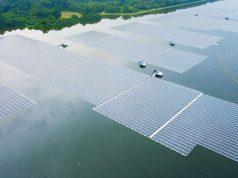
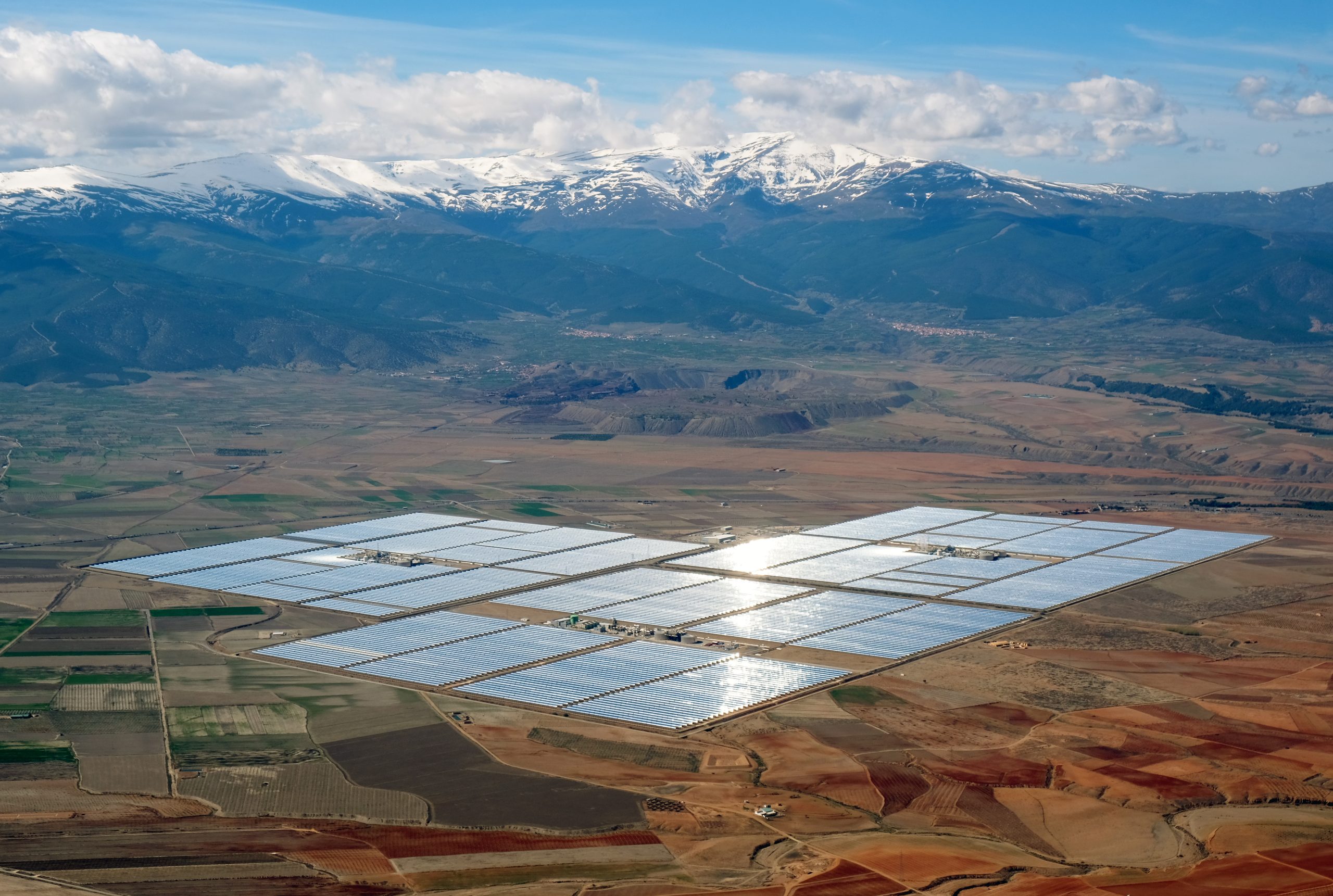
On April 11, 2025, the world continued to shift towards a cleaner and more sustainable future, driven by the growing adoption of renewable energy sources. Renewable energy, also known as green energy, is derived from natural resources that are replenished on a human timescale, providing a viable alternative to traditional fossil fuels. The most widely used forms of renewable energy include solar energy, wind power, and hydropower, with bioenergy and geothermal power also playing significant roles in certain countries.
Renewable energy installations can vary greatly in size, making them suitable for both urban and rural areas. This versatility, combined with the increasing efficiency and decreasing costs of renewable energy systems, has led to a rapid expansion of the industry over the past 30 years. As a result, a large majority of newly installed worldwide electricity capacity now comes from renewable sources. This trend is expected to continue, driven by the declining costs of solar and wind power, which have become more competitive with traditional fossil fuels over the past decade.
One of the key benefits of renewable energy is its ability to be deployed in conjunction with further electrification. This allows for the efficient transfer of heat and power to vehicles, while also providing a clean source of energy at the point of consumption. Variable renewable energy sources, such as wind power and solar power, have a fluctuating nature, which can present challenges for grid management. However, controllable renewable energy sources, including dammed hydroelectricity, bioenergy, and geothermal power, can help to mitigate these effects and provide a more stable source of energy.
The cost reductions seen in the renewable energy sector over the past decade have been significant, with solar and wind power leading the way. These cost reductions have made renewable energy more competitive with traditional fossil fuels, driving increased adoption and investment in the industry. As the cost of renewable energy continues to decline, it is likely that we will see even more widespread adoption of these technologies, leading to a cleaner and more sustainable energy future.
Despite the many benefits of renewable energy, there are still challenges to be addressed. The variable nature of some renewable energy sources can make it difficult to ensure a stable supply of energy, and the high upfront costs of some renewable energy technologies can be a barrier to adoption. However, as the industry continues to evolve and improve, it is likely that these challenges will be addressed, and renewable energy will play an increasingly important role in the global energy mix.
Looking to the future, it will be important to watch for continued advancements in renewable energy technologies, as well as increased investment and adoption of these technologies. As the world continues to shift towards a cleaner and more sustainable energy future, it is likely that renewable energy will play a central role. With its many benefits, including reduced greenhouse gas emissions and improved air quality, renewable energy is poised to become an increasingly important part of the global energy landscape. As we move forward, it will be important to continue to monitor the progress of the renewable energy industry and to support the development and deployment of these critical technologies.