
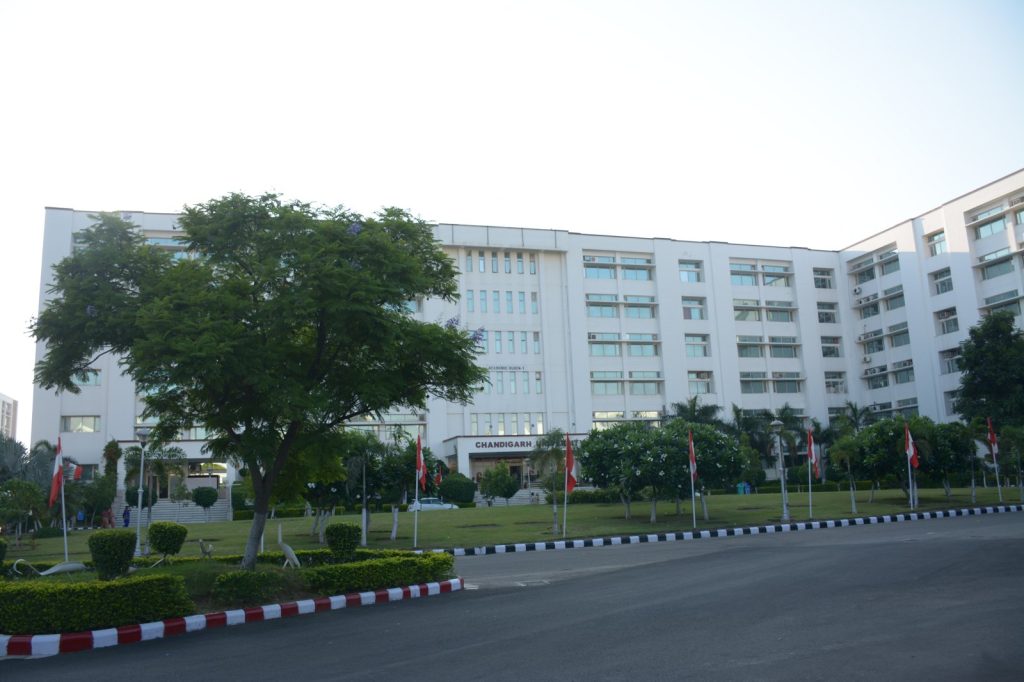
For years, Indian farmers have watched the sky and guessed. Monsoons arrive early or late, soils vary across a single field, and a bad prediction can mean a ruined season. A team at Chandigarh University now says they have built something that guesses better.
Their artificial intelligence model does not replace the farmer’s eye. It supplements it.
The system digests soil reports, weather records, and historical harvest data to produce yield estimates. During testing, those estimates matched actual outcomes closely. The university has not released specific numbers, but officials described the results as a significant step forward.
The real shift is in how the model learns. Traditional statistical methods produce a single forecast and then stop.
This AI keeps working. As the growing season moves forward, it takes in new information — a late rain, a pest outbreak, a change in temperature — and adjusts its predictions accordingly. A farmer gets dynamic guidance, not a static number printed months ago.
That matters because Indian agriculture is under strain. Shifting monsoon patterns have made the old calendars unreliable. Climate variability hits smallholders hardest.
They lack the capital to absorb a bad guess. Accurate yield prediction has been a critical need for decades, and traditional approaches have consistently fallen short.
Chandigarh University’s work sits inside a larger push to bring artificial intelligence into India’s farming economy. Hundreds of millions of people depend on that economy. Technology-driven solutions for crop management have drawn growing interest from researchers, startups, and government agencies.
The university’s model is one piece of that picture, but it is a piece that addresses a fundamental problem: farmers need to know, before harvest, what they will get. The team that built the model has not named itself publicly.
Officials at the university described the research team only as a group that has been developing the system. The announcement, made June 27, gave no timeline for wider deployment. No price tag.
No partnership with an agricultural extension service. Just the claim that the model works, and that it improves over time. That last point is worth attention.
An AI that refines itself as it runs is different from a one-off study. It implies a system that could be field-tested, then improved, then field-tested again.
It implies a tool that gets better the more farmers use it. Whether that happens depends on what Chandigarh University does next — whether it moves from announcement to deployment, from testing to distribution. For now, the model exists as a research outcome.
The university has positioned it within broader efforts to apply AI to agriculture. The sector employs hundreds of millions of people across the subcontinent, and its vulnerability to weather has only grown.
A tool that can predict yield with improved accuracy does not solve every problem. But it gives farmers something they have not had: a second opinion that learns.
{“@context”: “https://schema.org”, “@type”: “NewsArticle”, “headline”: “Chandigarh University AI Model Helps Farmers Predict Crop Yields Accurately”, “description”: “For years, Indian farmers have watched the sky and guessed. Monsoons arrive early or late, soils vary across a single field, and a bad prediction…”, “datePublished”: “2026-06-27T12:17:00+00:00T09:30:00+00:00”, “author”: {“@type”: “Person”, “name”: “Ethan Smith”}, “publisher”: {“@type”: “Organization”, “name”: “InfoPulse Today”, “url”: “https://newsfeed.infopulsetoday.com/”}}




