
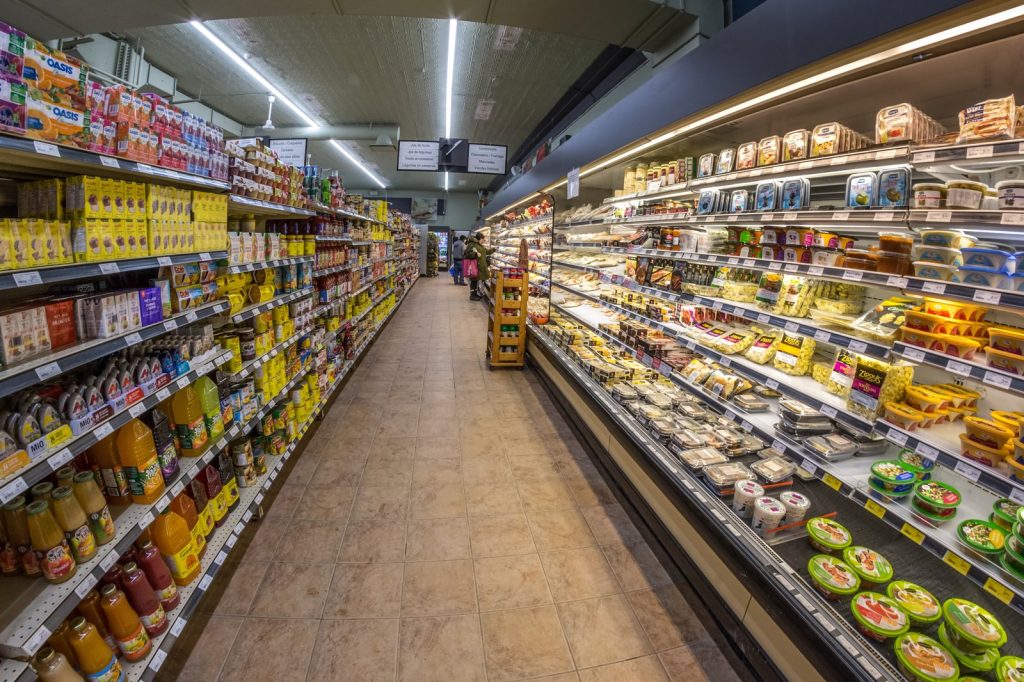
American households are cutting back on the number of items they buy each time they step into a grocery store, extending a six-month trend that is weighing on the nation’s largest packaged food companies. Market research firm NielsenIQ reported that U.S. grocery unit sales fell 2.1% in the four weeks ending July 15, 2023, compared with the same period a year earlier.
That decline follows a 1.8% drop in June 2023 and marks the sixth consecutive month of falling unit volumes, a stretch of consumer pullback not seen in recent years. The persistent slowdown is tied to inflation that continues to strain household budgets. The U.S. Bureau of Labor Statistics recorded a 4.7% year-over-year rise in food-at-home prices in June 2023.
Early signs point to shoppers adjusting their habits by buying less per visit, a shift that has now become entrenched. As families look for ways to manage higher costs, many are turning to store-brand alternatives and discount retailers, a pattern that typically signals stretched finances.
Private-label brands offer meaningful savings at the checkout counter, and discount stores have seen increased foot traffic as consumers try to stretch their grocery budgets further.
Broad Consumer Pullback Pressures Major Brands
The data from NielsenIQ provides a clear snapshot of the changing landscape: over the past half-year, U.S. shoppers have consistently purchased fewer items, reversing the volume growth seen during the earlier stages of the pandemic. Major food companies are feeling the impact.
Kraft Heinz reported a 3.5% decline in organic net sales volume in the second quarter of 2023. Kellogg’s and General Mills have also reported lower sales volumes in their most recent quarterly earnings calls. Across the packaged food sector, volume declines have become a recurring theme, as consumers trade down from national brands to cheaper alternatives.
This shift in behavior puts manufacturers in a difficult position. They face higher input costs for ingredients, labor, and transportation, even as unit sales fall.
For months, companies have relied on price increases to maintain revenue growth. If the trend of trading down and buying less continues, manufacturers may find themselves squeezed between rising expenses and the need to keep prices competitive. Potential outcomes include deeper price cuts or acceptance of thinner profit margins.
Either path has implications for the broader economy, as changes in how American households spend money signal larger trends in consumer health and influence the stability of major corporations.
Economic Context and Consumer Guidance
The United States, a federal republic of 50 states and a federal capital district, is a megadiverse country with a large land area and population. Its economy has undergone major transformations since the nation formed after the American Revolution, and today economic shifts in the U.S. affect global markets. The current grocery slowdown is one such shift, reflecting how persistent inflation alters household spending patterns.
As consumers adjust their budgets, the cost of goods for the general public and the financial health of major companies are both at stake. For patients and families managing household budgets, experts recommend comparing prices between national brands and store alternatives.
While many budget-friendly options remain healthy choices, individuals making significant changes to their diet based on cost should consult a doctor or a nutritionist. Looking ahead, analysts will watch closely to see whether the trend of declining unit volumes accelerates or stabilizes in the coming months. The NielsenIQ data covering the four weeks ending July 15 provides a snapshot of behavior during a sustained inflationary period.
How food companies respond — whether with price cuts, thinner margins, or other strategies — will shape the next phase of this consumer-driven slowdown.




