
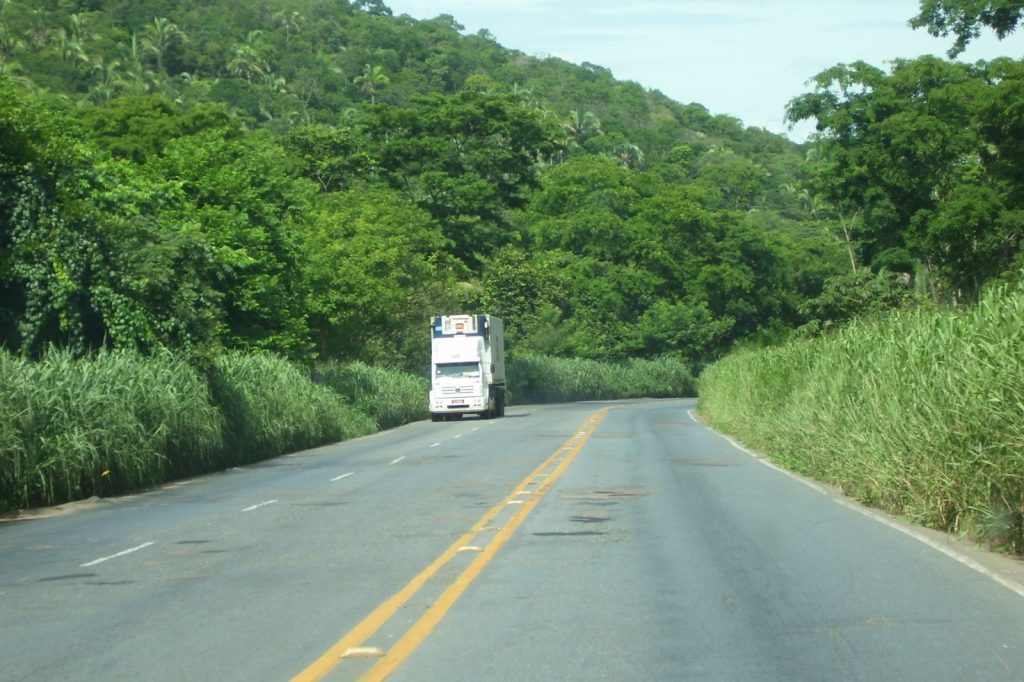
A catastrophic head-on collision between a bus and a truck on the night of August 8, 2025, has left 11 people dead and 45 injured on BR-163 near Lucas do Rio Verde. The highway, a critical corridor for Brazilian agribusiness, serves as the primary route for moving soybeans, corn, and cotton from Mato Grosso’s interior to markets and ports.
Lucas do Rio Verde, home to 83,798 residents spread across 3,675 square kilometers, relies heavily on this road network. The city functions as an agricultural hub where buses are essential for transporting workers to fields, residents to hospitals, and goods to markets. The crash has effectively shut down a major economic artery, halting the flow of grain and people that sustains the local economy.
The accident highlights systemic issues within Mato Grosso’s road infrastructure. Originally designed for cattle drives and grain haulers, the network now struggles to accommodate current traffic volumes. Heavy trucks, passenger buses, and private cars share narrow two-lane highways with inconsistent maintenance, inadequate shoulders, and dangerous overtaking conditions. While the state has invested in grain storage facilities and airport upgrades—including Bom Futuro Airport, which received the first medical flights carrying injured victims—road improvements have lagged behind.
The immediate economic impact extends beyond the human toll. Each hour of road closure disrupts supply chains, leaving grain in silos, contracts unfilled, and workers unable to reach their jobs. Lucas do Rio Verde’s economy depends on just-in-time delivery, making any prolonged interruption costly. The crash represents a jolt to a system with little margin for error.
Investigators from Brazil’s federal highway police are examining black boxes and tire marks to determine the cause. State officials are reviewing maintenance records, while the city evaluates emergency response times. Key questions include whether the road surface was worn, whether warning signs were adequate, and whether a passing lane existed at the collision site. These factors will determine if the crash resulted from driver error or systemic failure.
The city government faces mounting pressure from residents demanding answers and farmers seeking guarantees against future disruptions. The mayor’s office has called for a comprehensive review of the region’s transportation network, likely recommending better signage, more passing lanes, and stricter enforcement of trucking hours. However, such reviews require concrete investment, and Mato Grosso’s budget is stretched between road maintenance, airport improvements, and education funding.
This tragedy underscores a broader challenge. Lucas do Rio Verde, though wealthy by regional standards, cannot prevent head-on collisions through wealth alone. The 11 dead serve as a warning, and the 45 injured represent a burden on the community. Until the state prioritizes road safety with sustained investment, the trucks and buses will continue to meet on roads ill-equipped for the traffic they carry.




