
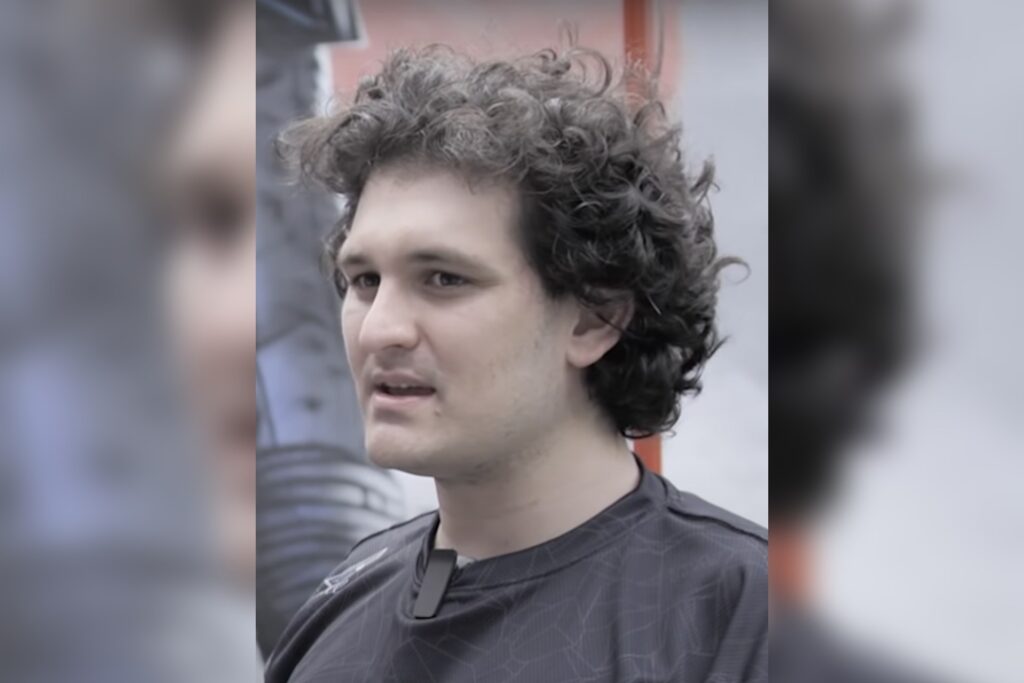
Sam Bankman-Fried founded the cryptocurrency exchange FTX and the trading firm Alameda Research, rose to prominence as a billionaire and major political donor, and fell after a federal jury convicted him of orchestrating one of the largest financial frauds in United States history. In November 2023 a jury found him guilty on seven counts of fraud and conspiracy, including wire fraud against FTX customers and lenders. In March 2024 a federal judge sentenced him to 25 years in prison and ordered forfeiture of billions of dollars.
The Rise
Bankman-Fried launched Alameda Research in 2017 as a quantitative trading firm focused on digital assets. He founded FTX in 2019, positioning the exchange as a regulated, user-friendly platform for retail and institutional traders. Aggressive marketing, high-profile sports sponsorships, and a reputation for regulatory engagement fueled rapid growth. By early 2022 FTX was valued at $32 billion in a funding round, and Bankman-Fried’s personal fortune was estimated in the tens of billions. He became a fixture in Washington, donating tens of millions of dollars to political campaigns and lobbying for crypto-friendly legislation. Media profiles portrayed him as a visionary effective altruist committed to giving away his wealth.
The Wrongdoing
Behind the public image, Bankman-Fried directed the secret diversion of FTX customer deposits to Alameda Research. He engineered systems that allowed Alameda to withdraw unlimited funds from FTX without proper collateral, using customer assets to cover Alameda’s losing trades, finance venture investments, purchase luxury real estate in the Bahamas, and fund political contributions. Internal communications and trial evidence showed he instructed lieutenants to conceal the commingling of funds from auditors, regulators, and the public. He misrepresented FTX’s financial health to investors and lenders while Alameda accumulated billions in liabilities it could not repay.
The Collapse
In early November 2022 a CoinDesk report revealed that Alameda’s balance sheet relied heavily on FTT, a token issued by FTX. The disclosure triggered a run on deposits. Binance, a rival exchange, announced it would liquidate its FTT holdings, accelerating the outflow. FTX halted withdrawals on November 8, 2022, leaving roughly one million creditors unable to access their funds. On November 11, 2022, FTX, Alameda Research, and more than 100 affiliated entities filed for Chapter 11 bankruptcy in Delaware. Bankman-Fried resigned as CEO the same day. The bankruptcy estate later estimated customer losses at more than $8 billion.
The Legal Reckoning
Bankman-Fried was arrested in the Bahamas in December 2022 and extradited to the United States. Federal prosecutors charged him with multiple counts of wire fraud, securities fraud, commodities fraud, money laundering, and campaign finance violations. He was released on a $250 million bond but later jailed after a judge found he had attempted to tamper with witnesses.
The trial began in October 2023 in the Southern District of New York. Prosecutors presented testimony from former top executives, including Caroline Ellison, Gary Wang, and Nishad Singh, who had pleaded guilty and cooperated. They described a scheme directed by Bankman-Fried to steal customer funds.
Bankman-Fried testified in his own defense, claiming he had made mistakes but lacked fraudulent intent. On November 2, 2023, the jury returned guilty verdicts on all seven counts after roughly four hours of deliberation. On March 28, 2024, Judge Lewis Kaplan sentenced him to 25 years in prison and ordered forfeiture of $11 billion.
Bankman-Fried has appealed the conviction and sentence.
Legacy
The FTX collapse triggered a cascade of failures across the crypto industry, wiping out lenders, hedge funds, and retail investors. It prompted congressional hearings, intensified regulatory scrutiny, and accelerated enforcement actions by the Securities and Exchange Commission and the Commodity Futures Trading Commission. The bankruptcy estate has recovered billions in assets through litigation and asset sales, but full repayment to creditors remains uncertain. Bankman-Fried’s political donations have been scrutinized, and several recipients returned or redirected the funds. The case stands as a landmark prosecution of crypto-related fraud and a cautionary example of the risks posed by unregulated digital asset platforms.




