
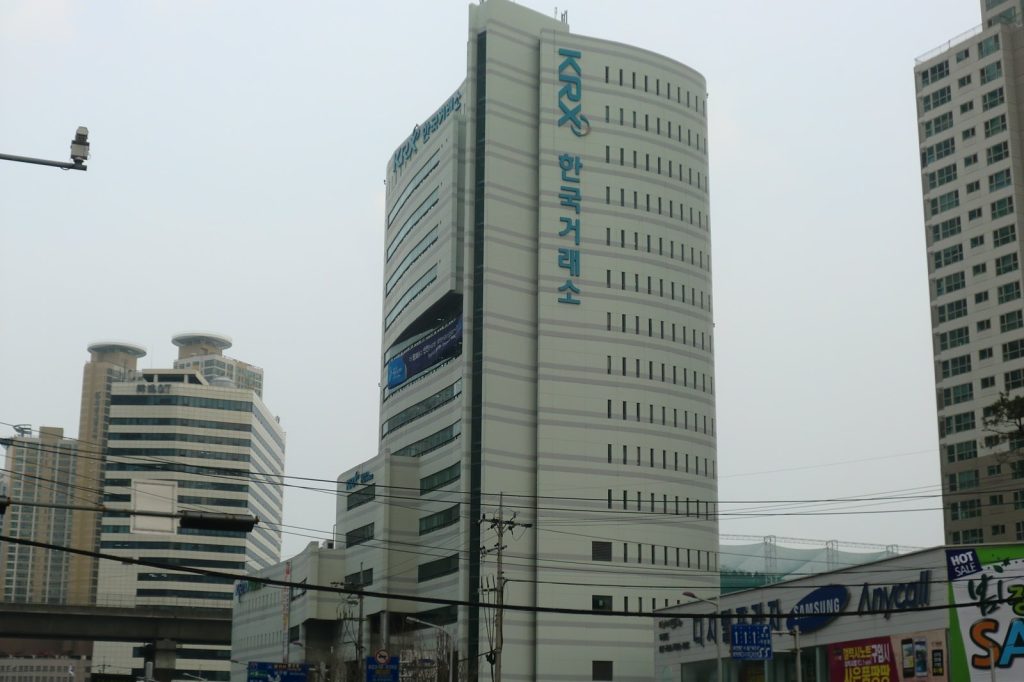
The Kospi dropped 10.84% on July 28, 2026, the largest one-day fall in its history. A circuit breaker stopped trading for 20 minutes.
The New Indian Express compared the size of the drop with the sharpest days of the 2008 financial crisis and the 2020 Covid panic. It was still well short of the 22.6% that Wall Street lost on Black Monday in 1987, the worst single-day fall in modern history.
The spark was a sell-off in semiconductor stocks tied to artificial intelligence, led by Samsung Electronics and SK Hynix. The paper’s explainer argues the spark was the smallest part of the story.
From boom to margin calls
Through the first half of 2026, South Korea looked like a big winner of the global AI boom, since it makes many of the advanced memory chips that AI hardware uses. Samsung and SK Hynix led the gains on the Kospi. By mid-year, investors had started to suspect the shares were overvalued, and some began selling to lock in profits.
Then the debt showed up. Many individual investors had borrowed to buy during the rally. As prices slipped, they had to sell to repay loans or meet margin calls, and the forced sales pushed prices lower, which prompted still more selling. On July 28, selling in chip stocks set off exactly that chain.
Why one sector could take the whole market down
The Kospi is not spread evenly across many firms. A few giants account for a large share of it, and Samsung and SK Hynix dominate. When they fell, the index went with them. In a more balanced market, gains elsewhere can soften a blow like that. Here there were too few.
The explainer adds a longer list of weak points: family-run business groups, investment crowded into the same stocks, and a long-held belief that Korean shares trade below their true value. That belief is known as the “Korea Discount.” Investors cite family control, weak shareholder rights, complicated ownership structures, low dividends, geopolitical tensions and heavy reliance on semiconductor exports as reasons they will not pay a premium.
The chaebols, the family-run groups such as Samsung, Hyundai and SK, drove the country’s rapid growth. Founding families often run vast empires without owning much of them, and complex ownership gives ordinary shareholders little say. Before the 1997 Asian Financial Crisis, many chaebols borrowed heavily in the belief that the government would rescue them. It did not, and investors still remember.
The cost for ordinary savers
Because so many small investors had borrowed, losses reached well beyond professional funds. Many people lost money set aside for a home, their family’s future or retirement. In a country with expensive housing, job uncertainty and worries about retirement, the article says, investing was a way to build security rather than a quick profit.
South Korea is trying to fix governance through measures such as the Value-Up Programme, which aims to make companies more transparent, protect shareholders, improve returns and narrow the Korea Discount. The difficulty, the explainer notes, is that the groups most in need of stronger oversight are also the country’s main drivers of exports, employment and growth.




