Alphabet Inc. shares tumbled more than 12% after the Google parent reported a stunning earnings miss and a substantial drop in free cash flow at the end of its third quarter. The market reaction was immediate and severe, vaporizing more than $500 billion in market value for Alphabet’s stock in a single session.
The Bottom Line Misses Expectations
The search engine and cloud computing giant reported third-quarter adjusted earnings of just $2.67 per share, some way behind Wall Street’s target of $3.02 per share in earnings. Revenue for the period also came up short. Though it rose 25% from a year earlier to $127.58 billion, analysts had been targeting even bigger sales of $128.22 billion, and were sorely disappointed to see that the company could not top that number.
The company’s first top-and-bottom line miss in almost four years meant that it also suffered an overall drop in net income, which came to $26.17 billion, down from $34.98 billion in the same period one year ago. Alphabet also reported negative free cash flow of $9.07 billion, which was far lower than the $2.7 billion number expected by analysts. Even more puzzling is that executives cannot just blame the shortfall on artificial intelligence infrastructure spending.
That’s because Alphabet’s capital expenditures in the quarter totaled $51.36 billion, falling short of the $55.09 billion expected by analysts. Going forward, Alphabet Chief Financial Officer Anat Ashkenazi said, the company is maintaining its full-year capital spending forecast of between $195 billion and $205 billion. She also reiterated the company’s plans for this figure to exceed $300 billion in fiscal 2027.
Debt Levels Surge Sharply
Alphabet continued to borrow heavily during the quarter, with its long-term debt rising to $125.1 billion, up from just $21.6 billion a year ago. That’s an increase of around 479% year-over-year. The company did enjoy a $99.03 billion revenue windfall through its equity holdings in AI firms such as Anthropic PBC and Space Exploration Technologies Corp.
But that category also weighed on its bottom line, with net losses relating to those investments coming to $8.66 billion in the quarter. The headline earnings miss looks worse than Alphabet’s underlying business is performing because it was driven mainly by financial rather than operating losses, stressed Investing.com analyst Thomas Monteiro.
“But operating profit also came up short and that matters more,” he said. “Until now, AI spending only hit Alphabet’s cash flow, but this quarter it started showing up in profits.”
The Numbers Behind the Drop
In stark contrast to Alphabet’s negative free cash flow, Microsoft reported this week that it had $18.6 billion in free cash flow in the third quarter, even as it continues to spend billions on its AI buildout. Microsoft’s shares ended the day flat on Thursday while Alphabet shares dropped more than 12%.
“We are now getting to see who is spending rationally on AI and who is not,” said Richard Reyle, chief investment officer at Questar Capital Partners. “Investors are increasingly scrutinizing Big Tech’s AI spending spree and how the technology is affecting their own businesses — and Alphabet is their latest target.”
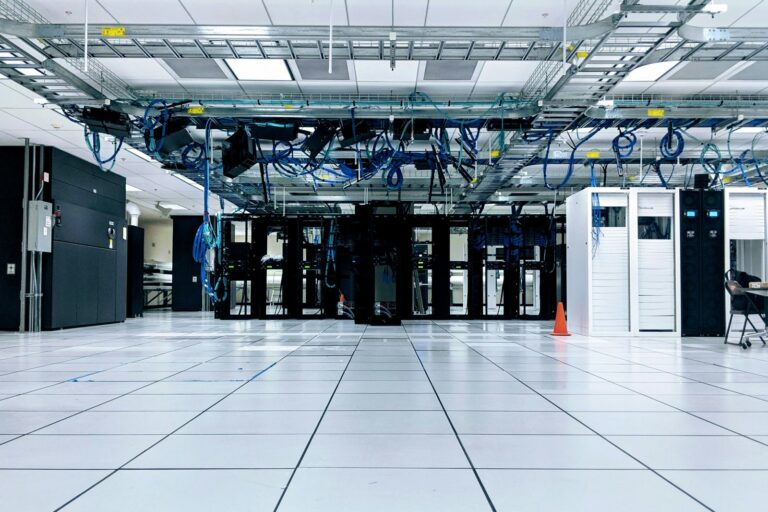
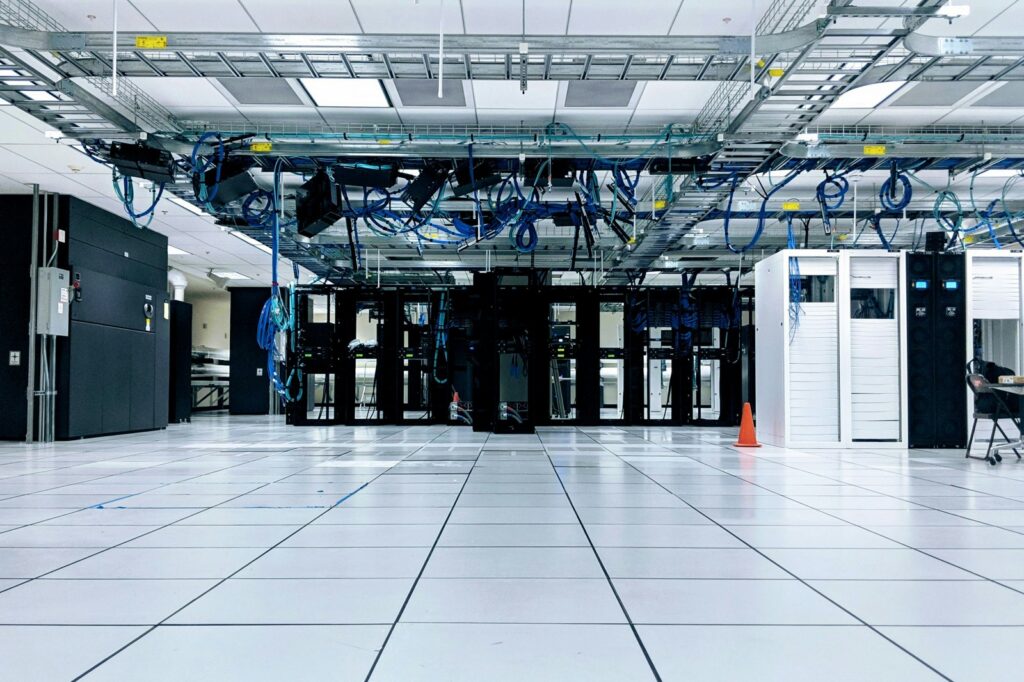
The world’s largest technology companies are spending hundreds of billions of dollars to build data centers, in a race to try and be among the winners of the artificial intelligence boom. Wall Street is getting more cautious, attempting to sort out which companies are spending rationally, how those outlays are impacting other parts of their business, and who will actually benefit from AI’s transformative impact on society.
The fear is that this displacement might happen “faster than Google can react to it and pivot their business,” said Jed Ellerbroek, portfolio manager at Argent Capital Management. It might seem odd that shares of one of Big Tech’s biggest companies aren’t soaring after Anthropic filed its highly anticipated initial public offering prospectus just days earlier.
But that future promise isn’t guaranteed, especially if the data center buildout doesn’t go to plan or if AI isn’t as profitable as expected. Alphabet is asking investors to believe in its vision for AI and the data center buildout, while also trying to monetize AI and show it can generate strong returns from the technology.
Corporate Structure and Historical Context
Alphabet Inc. was established on October 2, 2015, following a restructuring of Google intended to make the core business more accountable while providing autonomy to subsidiaries. This holding company structure, announced by co-founders Larry Page and Sergey Brin, allowed the firm to separate its primary internet services from ventures such as X Development, Calico, Nest, Verily, Fiber, CapitalG, and GV. By narrowing the scope of the Google entity, the company aimed to achieve greater management scale for businesses that were not closely related to its main products.
The leadership of the conglomerate has evolved significantly since its inception. While Page and Brin transitioned away from their executive posts in December 2019, they remain board members and controlling shareholders. Sundar Pichai, who previously served as the product chief, assumed the role of CEO for both Google and the parent holding company. Despite its status as a major Big Tech entity and one of the world’s most valuable companies, Alphabet has navigated various challenges over the years. These include multiple antitrust actions across the globe, labor law controversies, and a 2023 workforce reduction that saw 12,000 employees laid off. As of July 2026, the company holds its position as the third-largest publicly traded entity globally by market capitalization, trading on the Nasdaq under the tickers GOOGL and GOOG.
Sources
- Alphabet Inc.
- Alphabet's stock sinks after shocking investors with top- and bottom-line misses – SiliconANGLE
- Shares of Google’s parent company just had their worst day ever. Here’s what it means | CNN Business
Photo: Taylor Vick / Unsplash (Unsplash License)