
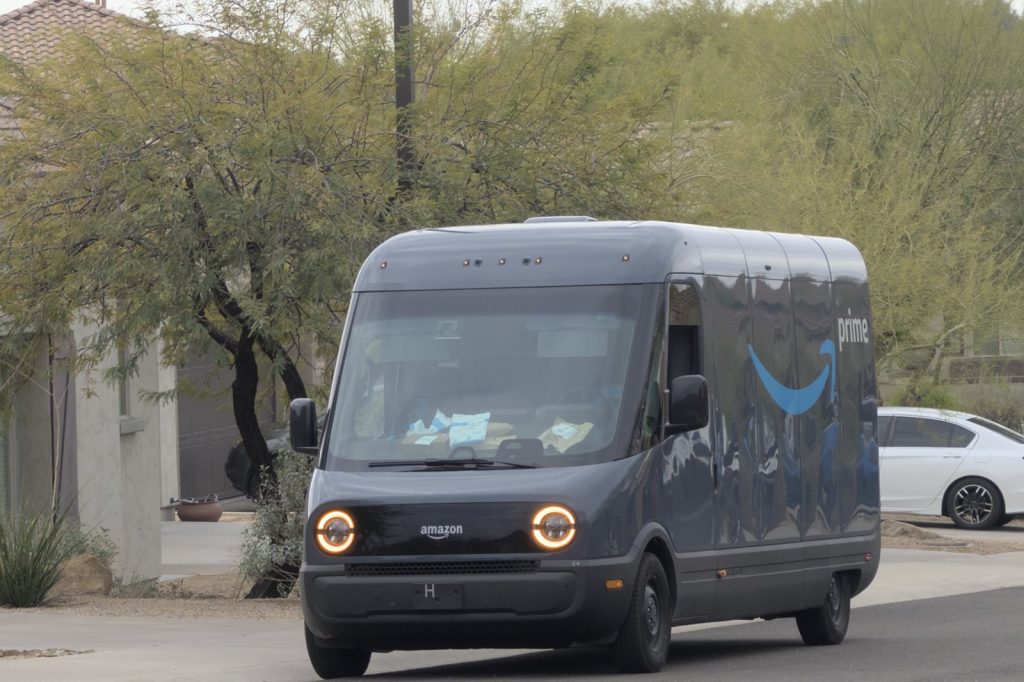
An Amazon driver in New York posted a TikTok video about the three deliveries she dreads most. Cat litter. Dog food.
Bottled water. The video went viral.
Over a million views. The driver, Jennifer Monique, who posts as @jennifermonique365, was not complaining exactly. She was stating a physical fact of the job.
The numbers in her video tell the real story. Amazon allows cat litter packages up to 50 pounds.
Some dog food bags hit 80 pounds. Bottled water comes in flats of 24 and 40. An Amazon driver moves between 170 and 350 packages per shift.
No extra pay for the heavy ones. No time to stop between drops. Monique’s point was straightforward: the weight adds up.
She is not paid more to haul an 80-pound bag of dog food than she is to deliver a paperback. The customers who order these heavy items, she said, are often the same ones who expect the driver to carry them inside the house.
That is a separate demand on top of the weight. The response from commenters was not to tell Monique to quit. It was to point out that many households rely on these deliveries.
Elderly customers. Disabled customers.
People without cars. Adults ordering for parents who cannot make the trip themselves. For them, a heavy bag of dog food showing up at the door is not a convenience.
It is a necessity. So the takeaway from the viral video is not that people should stop ordering. It is that the weight of the job is invisible to the person clicking “buy now.” The driver sees it in her arms and her back.
The customer sees only the front door. Monique’s video is a close read of a single fact: the physical burden of delivery work is unevenly distributed.
Some packages are light. Some are not. The pay is the same either way.
That is the system. She did not call for a strike or a boycott.
She just listed three items. Cat litter. Dog food.
Bottled water. The list is specific. It is also ordinary.
Millions of households order these things every week. The video’s popularity suggests the list resonated.
Drivers recognized the weight. Customers recognized the items in their own shopping carts. The conversation that followed was not about quitting Amazon.
It was about understanding what the delivery actually requires. Monique’s tone was not angry.
She sounded tired. “They don’t pay us enough to be lifting cat litter, bottled water, and dog food,” she said. That is a statement of fact, not a demand.
It is also a fact that is easy to forget when the package arrives at the door and the driver is already gone.




