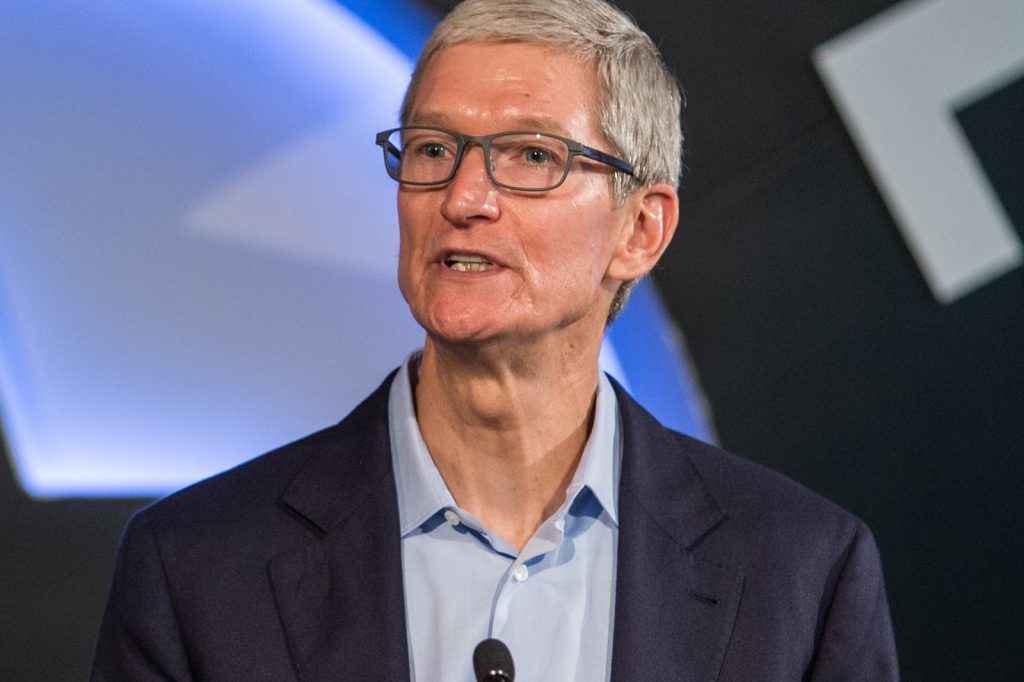
“I don’t want somebody else to run the brand for us,” Tim Cook told shareholders at Apple’s annual meeting in Cupertino. It was a Wednesday in late February 2020, and the chief executive was explaining why Apple wanted its own shops in India rather than a local partner. “We wouldn’t be a very good partner in retail. We like to do things our way.”
The company, he confirmed, would open its first branded store in India in 2021. CNBC TV18, citing Apple Insider, reported the news. A dedicated online store was expected to start running in the third quarter of 2020.
At that point Apple sold its phones in India through third-party offline retailers and e-commerce sites such as Flipkart and Amazon.in. There were reports that it had leased a site in Mumbai for the store, though Apple had not named a location.
Why Apple wanted control
India had loosened its 30 percent local sourcing rule for single-brand retailers the year before. Apple had publicly thanked Prime Minister Narendra Modi and his team for it, saying it looked forward to “one day welcoming customers to India’s first Apple retail store.”
Navkendar Singh, research director at IDC India, told IANS that offline retail matters in a country where “consumers love to touch, feel and experience the products”. In a third-party shop, he said, the brand cannot control many parts of the experience. Own stores would let Apple present its devices and services the way it designed them, and he expected that to add to the premium position Apple already holds.
The timing suited the numbers. Apple reached a record 75.6 percent share of India’s premium smartphone segment, defined by IDC as phones at $500 or Rs 36,000 and above, in the fourth quarter of 2019. The iPhone 11 and price cuts on older models drove that result. Cook had announced double-digit iPhone growth in India for the October-December quarter, and the 2018 iPad also sold well.
What happened next
The 2021 date did not hold. The BBC reported in April 2023 that Apple’s original plans were derailed by the Covid-19 pandemic. By then, two stores, in Delhi and Mumbai, were due to open later that month, and Bloomberg reported that Cook was likely to travel to India for the occasion.
The Mumbai store’s design drew on the city’s black-and-yellow taxis. Excitement ran high even though more than 95% of smartphones in India run on Google’s Android platform.
Analysts were split on how much the stores would change Apple’s fortunes. Prasanto K Roy, who has worked on technology and public policy issues, said they would be important branding tools but would not alter sales “in any dramatic way”. Most of Apple’s products, he said, are too high end for a country where most of the market is not premium.
Singh was more positive. IDC data put Apple at a 60% share of the premium segment, here defined as phones costing 40,000 rupees or more, in 2022, ahead of Samsung’s 21%. “It might not pull up sales but it definitely pulls more people into the Apple ecosystem,” he said. The harder task, in his view, would be drawing buyers away from retail partners without alienating the partner sellers.
Sources
- Apple to open first store in India next year, says Tim Cook – CNBC TV18
- Apple India: Can new stores help tech giant win in the country?
Sources
- Apple to open first store in India next year, says Tim… – CNBC TV18
- Apple India: Can new stores help tech giant win in the country? – BBC