
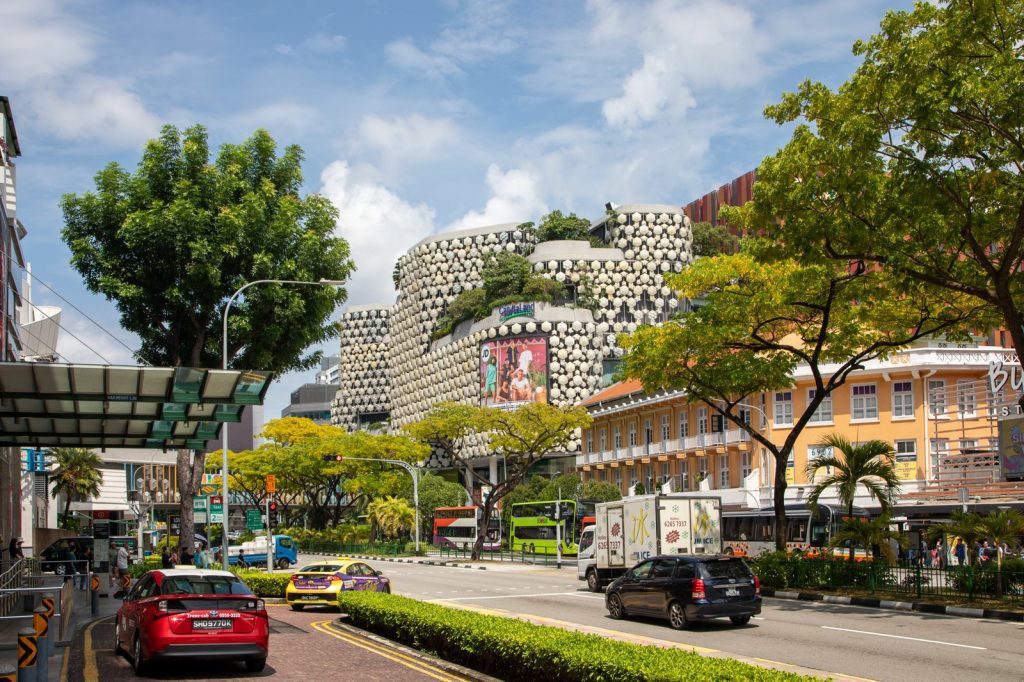
A one-time rental rebate of up to half a month. Security deposits released to offset March rent. S$10 million for tenant marketing. Those are some of the steps CapitaLand announced on 27 February 2020 as shoppers stayed away from malls during the coronavirus outbreak, and the pay measures sat alongside them.
The Singapore-based real estate group froze wages for managerial staff and above. It said the freeze would be reviewed after six months, or sooner if the “position arising from the COVID-19 outbreak has stabilised”.
Board members and senior management will also take a cut in base salary and fees of between five and 15 percent, starting 1 April. CapitaLand called it a “show of togetherness and solidarity with its stakeholders”.
Group chief executive Lee Chee Koon said the outbreak “has definitely affected our businesses and those of our partners and tenants, especially in China and Singapore”. How badly the retail arm is hit, he added, depends on how long the outbreak lasts. Retail makes up 29 percent of the group’s S$131.9 billion in assets under management.
Vouchers, rebates and a steady dividend
Managerial staff will get S$2 million ($1.4 million) in vouchers in place of part of their salary. They can spend them at CapitaLand’s 18 malls in Singapore, a way of steering money back into the retail business.
For tenants, the company offered flexible rent payments on top of the rebate. In China, rent and property management fees stay waived at its four malls in Wuhan, while charges at centres elsewhere on the mainland have been halved.
CapitaLand proposed holding its final ordinary dividend at 12 Singapore cents per share for 2019, the same as in 2018. That came after its most profitable year ever: earnings before interest and tax of S$5.1 billion, up 22 percent. Revenue for 2019 rose 11 percent to S$6.2 billion, and fourth-quarter operating profit after tax and minority interests climbed 96 percent to S$418.3 million. The company credited the S$11 billion purchase of Ascendas-Singbridge, completed on 30 June of the previous year.
“This prudent approach will enable the group to remain resilient during this period of uncertainty,” the company said. Chairman Ng Kee Choe struck a firmer note: “Our strong fundamentals position us well to address the challenges.”
The CapitaLand Hope Foundation pledged about S$2.3 million to support healthcare workers and affected communities in Singapore and China. Shipments to Wuhan included 40,000 surgical masks, 500 barrels of disinfectant, 375,000 pairs of medical gloves, 50 medical ventilators and two negative pressure ambulances.
China trust malls, two months on
Figures released on 23 April showed how deep the damage ran at CapitaLand Retail China Trust. Tenant sales across its malls fell 42.5 per cent year on year in the first quarter, and shopper traffic dropped 37.6 per cent.
All of the trust’s malls had reopened by 2 April, and about 90 per cent of stores were trading by 19 April. Occupancy stood at 95.4 per cent. Shopper traffic doubled from February to March, and tenant sales rose 189 per cent over the same stretch.
The trust’s manager said it was “cautiously optimistic” about the second half, pointing to Chinese government stimulus such as tax cuts, subsidies and cheaper utilities. More than 1,000 leases, about 30 per cent of gross rental income, come up for renewal this year. The manager reported no refinancing concerns, with no long-term debt maturing until 2021.
Sources
- CapitaLand Freezes Wages as Retail Sales Plunge – Mingtiandi
- CapitaLand Retail China Trust malls see 42.5% fall in sales, 37.6% drop in footfall for Q1
Sources
- CapitaLand Freezes Wages as Retail Sales Plunge – Mingtiandi
- CapitaLand Retail China Trust malls see 42.5% fall in sales…




