
“I owe you big time… I’m opening a bottle of Bollinger.” A Barclays rate submitter wrote that to a derivatives trader, after putting in a Libor figure the trader wanted.
The message is one of several the Financial Services Authority made public when it fined Barclays £290m ($450m) for trying to manipulate Libor and Euribor, two of the most important interest rates in global finance. The British regulator fined the bank £59.5m, the largest ever levied by the FSA. US authorities added penalties of £230m. Both described the conduct as “serious and widespread.”
Two motives, six years
Each day the British Bankers’ Association publishes Libor by averaging the rates that leading banks estimate they would pay to borrow from one another. At Barclays, the staff who made those estimates were pulled in two directions.
From 2005 to 2008, derivatives traders lobbied them often for figures that would help the traders’ positions and so lift the bank’s profit. Then, from 2007 to 2009, at the height of the banking crisis, submitters entered artificially low figures. Managers feared that Barclays’ true, higher rates would be read by the media as a sign the bank was short of cash. On occasion, traders also worked with colleagues at other banks to move the rate for profit.
The FSA said the requests were made verbally and in a large volume of emails and instant messages. One trader described begging a submitter for a lower figure: “I’m like, dude, you’re killing us.” His manager replied, “just tell him to… put it low.” Submitters answered with “For you…anything” and “Done… for you big boy.” In other emails, staff were offered Bollinger champagne for favours, or promised their names in “golden letters.”
What troubled the FSA most was that this looked like an “accepted culture” among some staff. US regulators said weak internal controls and thin supervision of trading desks “allowed this conduct to occur.”
Pressure on Diamond
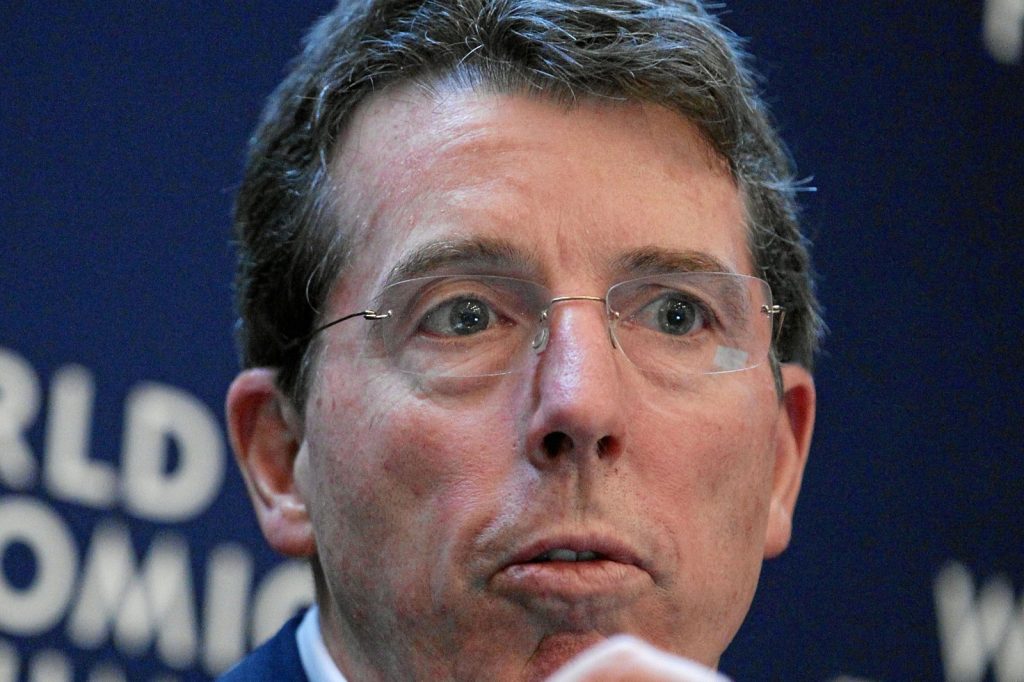
Chief executive Bob Diamond is giving up his bonus, as are three close lieutenants: Rich Ricci, head of investment banking; Jerry del Missier, chief operating officer; and Chris Lucas, finance director. None of them took part in the manipulation attempt. The Guardian noted they remain in line for multi-million pound share payouts. Diamond has earned almost £100m from Barclays since 2006 and was running the division where the misconduct occurred.
In a statement, Diamond said: “I am sorry that some people acted in a manner not consistent with our culture and values.” Barclays said the actions “fell well short of standards” and that it had won credit from the authorities for “extensive co-operation.”
Politicians were not satisfied. Lord Oakeshott, a Liberal Democrat peer, told the BBC: “If he had any shame he would go. If the Barclays board has any backbone, they’ll sack him.” Andrew Tyrie, who chairs the Treasury select committee, called it “inexcusable.” Lord Myners, a former City minister, argued that behaviour would change only if people faced the prospect of criminal charges.
Was the rate actually moved?
That remains unclear. The FSA said only that Barclays employees attempted to manipulate the rates. The US Department of Justice said that on some occasions they did affect Libor and Euribor. Tracey McDermott, the FSA’s director of enforcement, called the behaviour “completely unacceptable” either way. “The market needs to have confidence that those who are involved in submitting numbers to set Libor are thinking about the integrity of the market,” she said.
Other banks are in view. The FSA said it was pursuing “a number of other significant cross-border investigations,” and the US Department of Justice said criminal investigations into “other financial institutions and individuals is ongoing.” The Guardian named RBS and Lloyds Banking Group among the banks caught up in the international inquiry.
Sources
- Barclays fined for attempts to manipulate Libor rates
- Barclays fined £290m as bid to manipulate interest rates is exposed




