
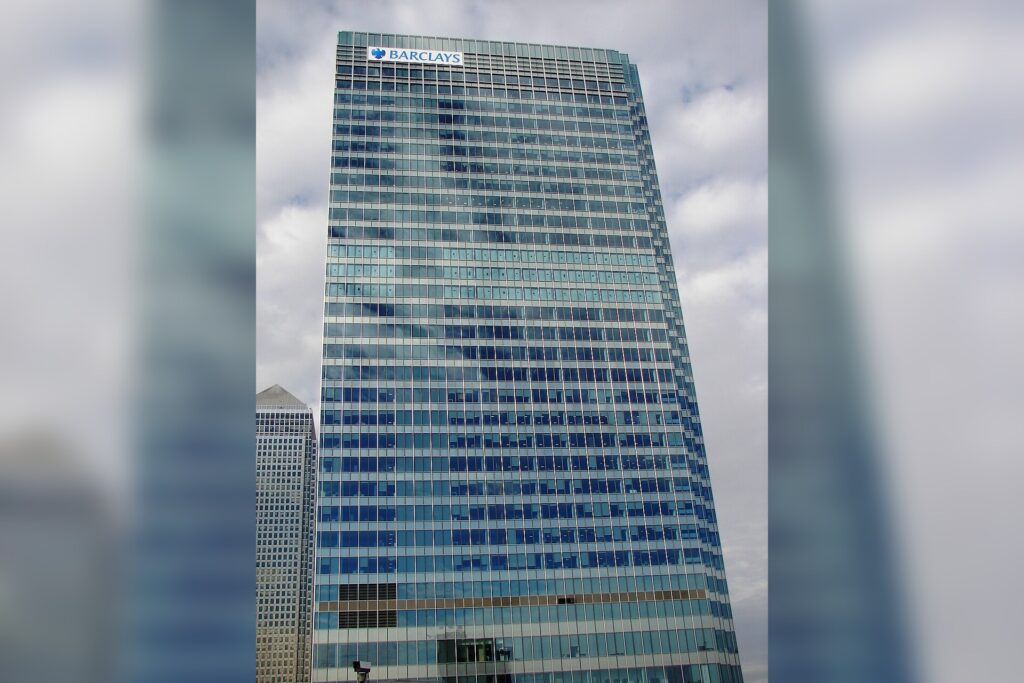
Barclays has been fined £290m ($450m) for trying to rig a key bank interest rate, and the chief executive is losing his bonus over it.
The rate in question is Libor, the London Interbank Offered Rate, along with its European sibling Euribor. Both are set daily and influence the cost of loans and some mortgages. In the BBC’s words, they directly influence the value of trillions of dollars of deals between banks and other institutions.
How the rate gets set
Banks estimate what they would pay to borrow from each other, and the British Bankers’ Association and the European Banking Association average those estimates and publish the result. The Guardian said the estimates cover periods from overnight to 12 months, in currencies including sterling, dollars, euros, yen and Swiss francs.
Barclays used that process in two ways, the Financial Services Authority found. Traders wanted profit, so submitters were pushed for figures that suited the traders’ bets on interest rates. Later, during the 2008 financial crisis, managers thought honest, higher numbers would be read by the media as a sign the bank was short of cash, so it entered lower ones.
The FSA put the profit-driven requests between 2005 and 2008, and the low-balling between 2007 and 2009.
The emails
The regulator said the requests to submitters were made openly, in person and in writing. Tracey McDermott, then director of enforcement, said this reflected an “accepted culture” among some staff. One trader recalled begging a submitter for a lower figure. “I’m like, dude, you’re killing us,” he said, and his manager told him: “just tell him to… put it low.”
Submitters were glad to oblige. “Always happy to help,” one wrote. Another answered “Done… for you big boy.” A third promised to open a bottle of Bollinger.
What it cost, and who pays
The FSA’s share was £59.5m, its largest fine ever. Authorities in the US, including the Department of Justice and the Commodity Futures Trading Commission, imposed penalties of £230m. US regulators blamed weak internal controls and poor supervision of trading desks for letting it happen.
Barclays said it had been given credit for “extensive co-operation.” Chief executive Bob Diamond, who said “nothing is more important to me than having a strong culture at Barclays,” will forgo his bonus for 2012. Rich Ricci, Jerry del Missier and Chris Lucas, three of his closest executives, will do the same. They keep their eligibility for multi-million pound share payouts, the Guardian reported. Diamond earned almost £100m from Barclays since 2006 and ran the division where the trouble took place.
Pressure is mounting. Lord Oakeshott, a Liberal Democrat peer, said Diamond should go, and Treasury committee chairman Andrew Tyrie called the conduct “inexcusable.” Shadow Treasury minister Chris Leslie asked whether a criminal investigation was warranted.
Whether the manipulation worked is not settled. The FSA said only that staff attempted it. The Justice Department said that on some occasions the rates were affected. Borrowers’ exposure therefore remains uncertain.
The FSA is looking into other banks, and the US Department of Justice said criminal investigations of “other financial institutions and individuals is ongoing.” The Guardian named RBS and Lloyds Banking Group as part of the international inquiry.
Sources
- Barclays fined for attempts to manipulate Libor rates
- Barclays fined £290m as bid to manipulate interest rates is exposed




