
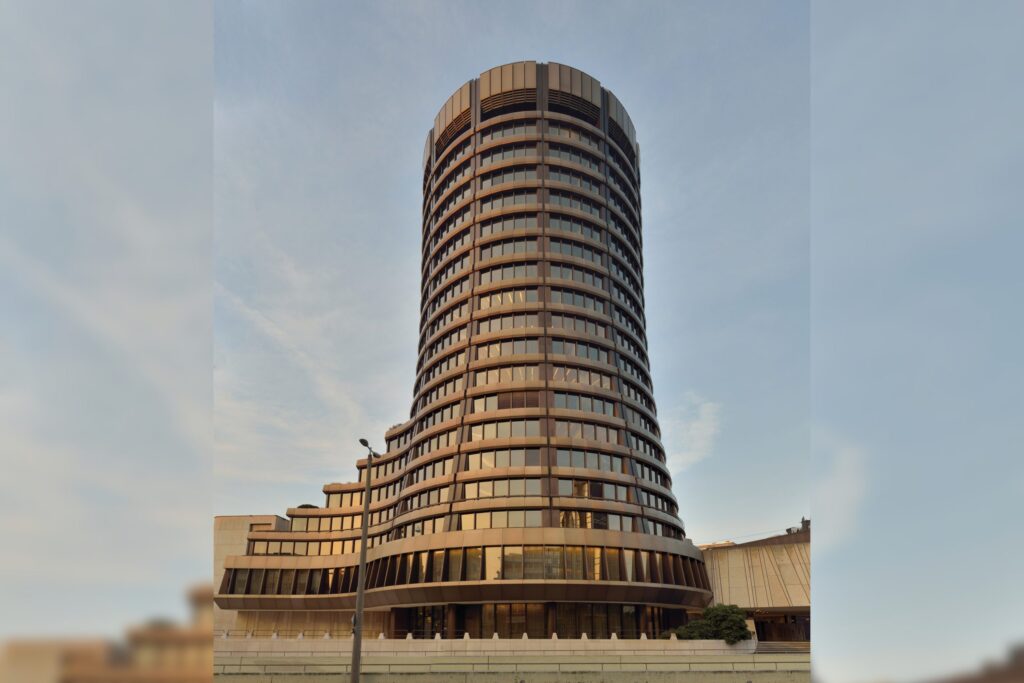
The global economy has shown “remarkable resilience” over the past 12 months, the Bank for International Settlements said in its Annual Economic Report, published on 28 June 2026. The same report says risks are now building on four fronts at once, and the AI investment boom is one of them.
The BIS, headquartered in Basel, is the central bank for central banks and coordinates policy among 63 members. Chapter I runs 33 pages under the title “Progress and Peril.” Its argument is a paradox. Loose financial conditions and surging optimism about artificial intelligence have propped up growth. At the same time, stubborn inflation, weaker public finances and weak spots outside the traditional banking sector are setting up trouble for the quarters ahead.
AI spending under scrutiny
AI-related investment was a key driver of market confidence through 2025 and into 2026. The BIS now asks whether the spending will be justified by returns. The report flags the sustainability of that spending as a standalone systemic risk. If AI monetisation turns out slower than projected, an equity market correction could trigger a significant shift of capital across global markets.
Inflation, debt and the shadow sector
Inflation gets the top billing. Despite measurable progress on disinflation, the BIS names persistent price pressures as the primary risk, which puts the pace of central bank rate cuts in doubt. Rates may stay high for longer than markets currently expect.
Government budgets in major economies are still strained after pandemic spending and the energy crisis. The BIS calls for rebuilding fiscal buffers, warning that without them governments will lack the capacity to respond to the next shock.
It also singles out non-bank financial institutions: hedge funds, insurers and private credit platforms. They face lighter regulation than banks, and stress there can appear without warning.
Tariffs get a mention too. Trade barriers added cost pressures over the past year, but the economy absorbed them, helped by easy financial conditions and AI-driven confidence, which the BIS says did much of the heavy lifting.
Four priorities
The report lists four policy priorities: price stability, restoring fiscal space, financial stability beyond the banking sector, and structural reforms. The BIS stresses that the four depend on each other. Disciplined progress in one widens the room to manoeuvre in the others.
It splits the review period into two phases. First came resilient growth through the tariff shock, then a gradual build-up of vulnerabilities.




