
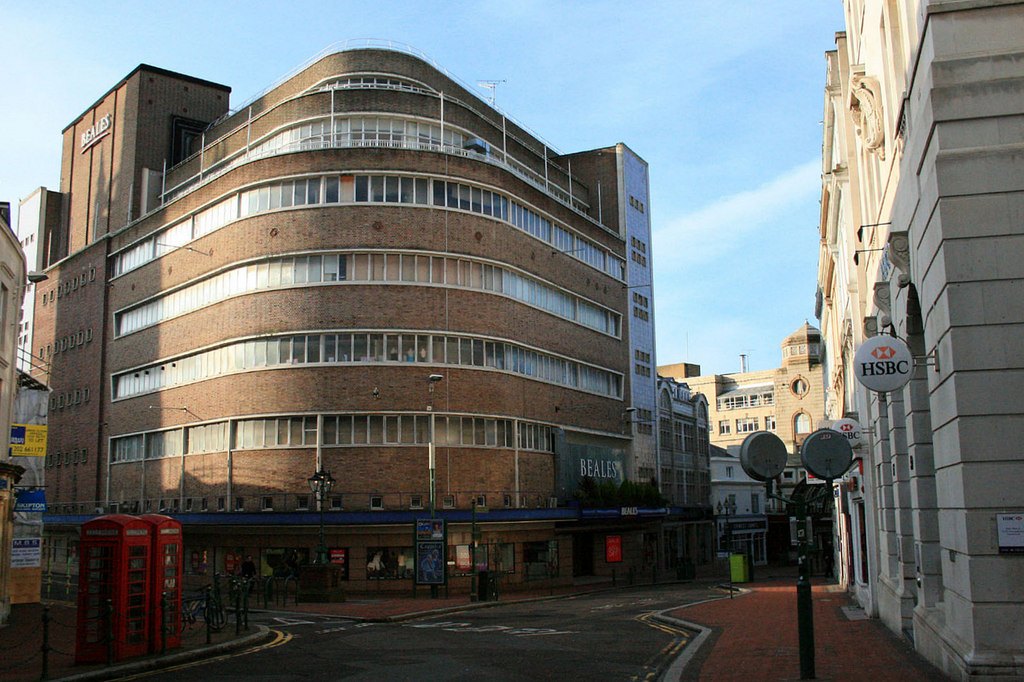
On 13 January 2020, Beales – the 140‑year‑old department‑store chain that opened its first shop in Bournemouth in 1881 – warned that all 22 of its outlets could shut within days unless a buyer emerged. The warning placed roughly 1,000 employees at risk of losing their jobs. Company insiders say a weak performance over the crucial November‑December period left cash reserves depleted.
Like‑for‑like sales fell by low‑single‑digit percentages, pushing working capital to the brink just as quarterly rent obligations came due. A pre‑tax loss of £3.1 million for the year to March 2019 had already narrowed the firm’s financial cushion, and auditors cautioned last autumn that the group might not be a going concern without an improvement in trading.
Chief executive Tony Brown, who oversaw a 2018 management buy‑out backed by specialist lender Hilco, told staff in a memo that “every possible avenue” was being explored. He stressed the urgency: “We need to secure new ownership or revised terms with landlords within days, not weeks.” Brown has been in daily contact with two potential purchasers – a rival high‑street retailer and a turnaround‑focused investor – and expects binding offers by Wednesday, according to sources close to the negotiations. KPMG has been appointed to advise the board and has prepared contingency plans for an administration filing should talks falter.
Indicative bids were reportedly submitted before the weekend, and any eventual deal is expected to involve store closures and rent reductions. Landlords, many of whom signed above‑market leases during stronger years, are being asked to accept turnover‑based rents or temporary cuts of up to 30 percent.
“The choice is between a smaller cheque or no cheque at all,” one retail‑property adviser said. The pressure on Beales reflects a broader decline in the UK department‑store sector. The British Retail Consortium reported on 9 January that total non‑food sales fell 0.9 percent in the final two months of 2019 – the weakest festive period since records began in 1995.
Rising business rates, higher national‑living‑wage costs and waning consumer confidence have eroded margins across the board. Recent insolvencies at Debenhams and Mothercare, and store closures at Marks & Spencer and John Lewis, illustrate the depth of the challenge.
Smaller regional chains like Beales lack the scale to invest in online fulfilment or click‑and‑collect services that could mitigate falling footfall. “Department stores face a perfect storm of structural and cyclical headwinds,” said BRC chief executive Helen Dickinson. “Without urgent reform of the business‑rates system, we will continue to see household names disappear from town centres.” Beales’ locations stretch from Perth in Scotland to Worthing on the south coast, often occupying historic high‑street premises that serve as anchors for surrounding independent retailers.
In Kendal, Cumbria, the 50,000‑sq‑ft 1930s building on the main pedestrian precinct is a key draw for shoppers. Local councillor Ali Wilson warned that the store’s closure would leave “a gaping hole” in the town’s retail offering, adding that the community had already lost BHS and several fashion chains.
Similar concerns are voiced in market towns such as Diss, Norfolk, and Hexham, Northumberland, where replacement tenants are scarce. While councils have offered rate relief and marketing support, officials acknowledge that such measures cannot offset the fundamental trading losses Beales faces. Employees of the original Bournemouth branch have been instructed to continue serving customers as senior directors travel between London meeting rooms to finalise a possible rescue.
The chain’s defined‑contribution pension scheme, covering about 400 active and deferred members, remains fully funded on a statutory basis, ensuring staff pensions are protected even if the business collapses. Suppliers, however, confront a tougher outlook.
Unsecured trade creditors are owed an estimated £12 million, according to Companies House filings. Many are small clothing and home‑ware brands that extended credit in hopes of a turnaround. Some vendors have already halted shipments, tightening stock availability further.
Credit insurers have withdrawn cover, forcing Beales to pay cash up front for certain lines – a situation that can accelerate the spiral once administration is filed. Insolvency practitioners argue that a pre‑pack sale is the preferred route if a white‑knight buyer can be secured quickly; otherwise, a phased wind‑down appears more likely.
With the clock ticking, the fate of Britain’s oldest department‑store chain will be decided within days, while the wider decline of the mid‑market high street shows no sign of abating.




