
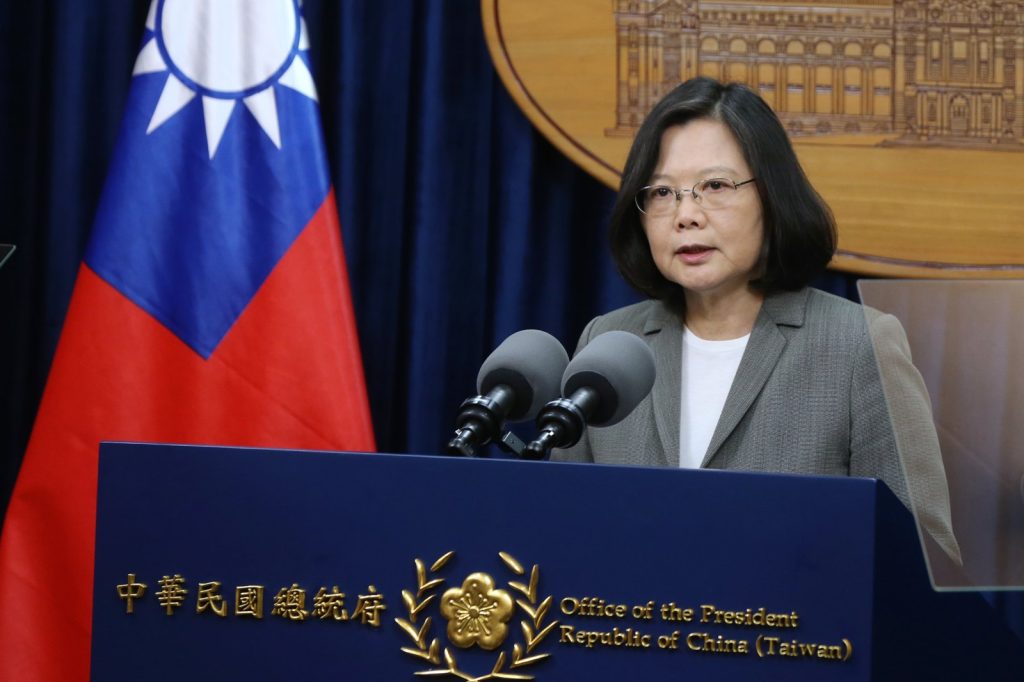
Taiwan’s voters have handed Beijing a result it did not want. On 11 January 2020, they re-elected President Tsai Ing-wen in a landslide, a vote read across Asia as a rejection of Chinese pressure on the self-ruled island.
Tsai, of the independence-leaning Democratic Progressive Party, won 8.2 million votes, a 57 per cent share, against 5.5 million for Han Kuo-yu, the Kaohsiung mayor and Beijing’s preferred candidate. It was the largest tally any presidential candidate has won since direct elections began in 1996, and her party kept its majority in the legislature.
The result lands at a delicate moment for the region. In the run-up, China sent its newest aircraft carrier through the Taiwan Strait twice, and a year earlier Xi Jinping said Beijing had not ruled out force. It has cut dialogue, pushed several of Taiwan’s 15 remaining diplomatic allies to switch recognition, and halted independent travel by mainland tourists.
Tsai framed the vote in the plainest terms. “This election is about whether or not we choose freedom and democracy,” she said in her victory speech. “We must work to keep our country safe and defend our sovereignty.”
Her win followed a stinging 2018 midterm defeat for her party, and observers tied the comeback to the protests in Hong Kong, which showed younger Taiwanese what coming under Beijing’s authority might look like. More than 14 million people cast ballots.
China’s response was measured. Its Taiwan affairs office said it “resolutely opposes any separatist attempt for ‘Taiwan independence’” while backing “peaceful reunification,” and censors appeared to suppress some discussion of the race online.
Sources
- Entangled US-China-Taiwan relations likely just got more complicated after President Tsai Ing-wen’s big re-election victory | South China Morning Post
- Taiwan election: Tsai Ing-Wen wins landslide in rebuke to China | Taiwan | The Guardian




