Winning the Routes Award: A Post-Pandemic Network Rebuild
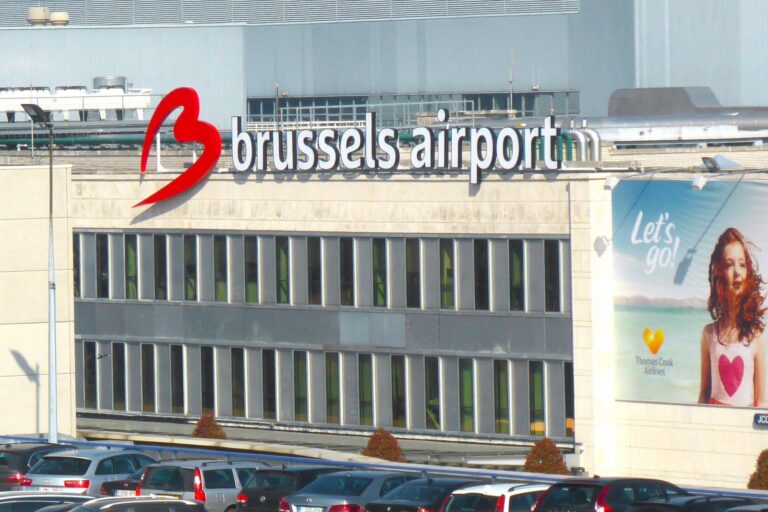
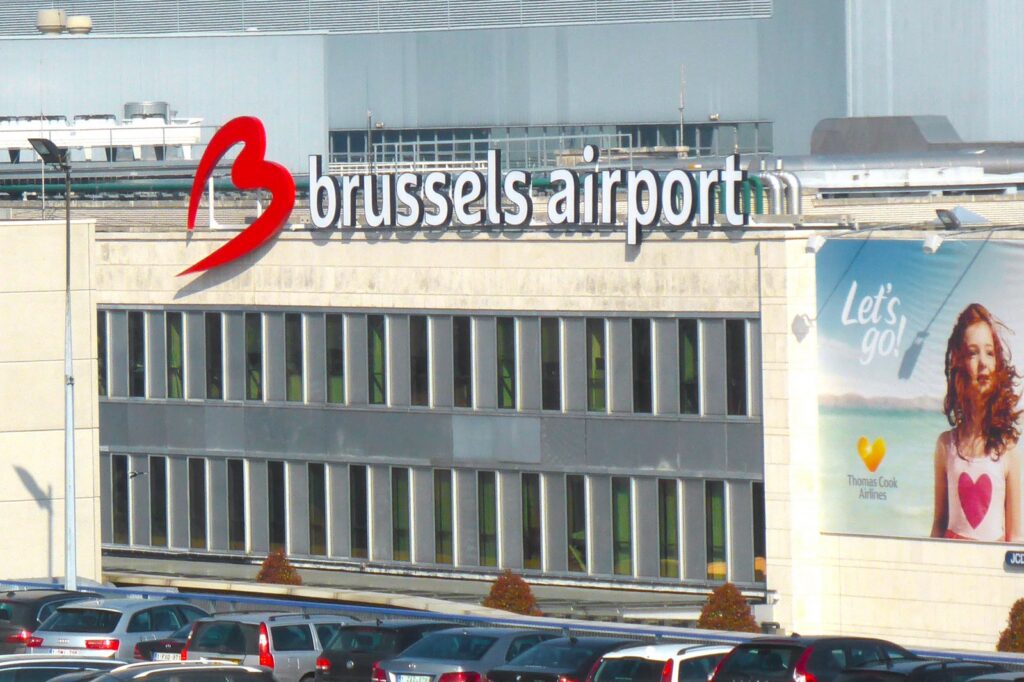
Brussels Airport has been named the winner of the 17.5-30 Million Passengers category at the Routes World Awards 2026, a recognition that highlights its successful expansion of connectivity and strengthening of airline partnerships. The award underscores a sustained recovery in passenger traffic, with the airport surpassing 25 million passengers in 2025, its highest annual total since the pandemic. This milestone reflects a deliberate strategy to rebuild its network, supported by the addition of nine new airline partners and 19 new destinations across its global map.
The economic logic behind this recognition lies in the airport’s ability to convert post-pandemic demand into durable structural growth. By securing new routes and increasing frequencies, Brussels Airport has reduced its reliance on legacy European hubs and positioned itself as a critical node for transcontinental traffic. The award is not merely a symbolic gesture; it validates the operational efficiency and commercial viability of the airport’s current strategy. For an airport of its size, maintaining growth in the mid-sized category requires precise execution in both airline recruitment and infrastructure management.
Asia as the Primary Growth Engine
A significant driver of Brussels Airport’s recent performance has been its increasing connectivity to Asia. The airport now serves six destinations in China, a figure that reflects rising demand and growing airline confidence in the European market. This expansion is not limited to a single carrier or city; it represents a broadening of the network that offers travelers more direct options and airlines a stable base for growth.
Air China launched a three-times-weekly service to Chengdu alongside daily flights to Beijing in March. In September, China Central Airlines entered the market with three-times-weekly services to Shanghai. Cathay Pacific returned to Brussels in August with four-times-weekly flights to Hong Kong. All Nippon Airways (ANA) also strengthened ties between Belgium and Japan by increasing frequencies to Tokyo. These additions indicate that Asian carriers view Brussels as a viable gateway to Western Europe, a perception that is crucial for the airport’s long-term revenue stability.
Leon Verhallen, Director of Aviation Development at Brussels Airport, noted during Routes World 2026 that while Asia has been successful, the airport still identifies two key markets as missing: India and Korea. This assessment provides a clear roadmap for future expansion. For Indian and Asian business readers, this signals that Brussels is actively courting these markets, potentially leading to new direct flights or increased frequency in the coming years. The focus on these specific regions suggests that the airport sees untapped demand in South Asia and East Asia, areas where commercial exchange with Europe is growing rapidly.
Atlantic Expansion and Network Balance
Growth has also extended across the Atlantic, balancing the network’s focus on Asia. Air Canada launched a three-times-weekly service to Halifax, and LATAM Airlines Brasil commenced six-times-weekly flights to São Paulo Guarulhos, both beginning in June. These routes are significant because they connect Brussels directly to North and South American markets that were previously less accessible from Belgium. Delta Air Lines also increased its Atlanta service to daily operations during the summer season, further solidifying the transatlantic link.
Verhallen indicated that the airport sees further opportunities across North and South America. Destinations including Boston, Philadelphia, Houston, and California are among potential targets in the United States, while Bogotá remains a key market of interest in Latin America. This forward-looking approach suggests that Brussels aims to become a more comprehensive hub for transatlantic travel, reducing the need for connections through other European hubs like Amsterdam or Frankfurt. For businesses operating in these regions, improved connectivity can mean faster travel times and more flexible scheduling for executive and cargo traffic.
The home carrier, Brussels Airlines, plays a central role in these plans. The airline is scheduled to launch a five-times-weekly service to Cairo from March 2027 and increase frequencies on its Kilimanjaro route. Enhancements are also planned across several European markets. By leveraging its home carrier, Brussels Airport can ensure that core routes are well-served while new partners expand the network’s reach. This dual strategy of strengthening core routes and adding new long-haul destinations creates a resilient network structure that can withstand market fluctuations.
Operational Challenges: The EES Bottleneck
Despite the commercial success, operational constraints have emerged due to the European Union’s Entry/Exit System (EES). Introduced at the end of 2025, the EES digitally records the entry and exit of non-European passengers and requires additional checks, including the capture of biometric data such as facial images and fingerprints. According to Brussels Airport, the average processing time for each arriving visa passenger during the morning peak is two to three times longer as a result of the EES. This increase has far exceeded initial estimates across Europe, leading to significant delays for travelers.
The impact of these delays is tangible. Waiting times at some European airports have reached two to four hours, a situation that mirrors the experience at Brussels. Following a slight improvement in August, waiting times rose again in September as biometric data registration increased. The airport had invested in additional infrastructure in 2025, increasing manual border control positions by 20 per cent at arrivals and by 25 per cent at departures. However, the longer processing times mean that these additional staff and positions have not been sufficient to reduce waiting times to acceptable levels.
To address this bottleneck, Brussels Airport will add eight arrivals border control positions by the end of 2026. This expansion will increase border control capacity on arrival by 66 per cent, effectively doubling manual capacity at arrivals within 12 months. In May 2026, the airport ordered six further e-gates from the federal police, which are due for delivery in early 2027. These e-gates will increase automated processing capacity by 50 per cent. The airport is also calling for faster biometric checks, a widely available pre-registration application, and greater flexibility during periods of severe congestion. These measures are critical to maintaining the airport’s competitiveness, as long immigration queues can deter travelers and airlines from choosing Brussels as a connection point.
Infrastructure and Future Readiness
The airport’s infrastructure upgrades extend beyond border control. Brussels Airport has invested in 60 pre-registration kiosks to help passengers complete parts of the EES process before reaching immigration, although technical problems have delayed their full operation. The airport is working with government departments and relevant authorities to improve border processing and reduce waiting times for international passengers. This collaboration is essential, as the EES is a European-level system that requires coordinated action from multiple stakeholders.
In terms of aircraft capability, Brussels Airport is preparing for the return of the Airbus A380. Emirates is planning to operate a one-off A380 flight to Brussels on 10 March 2027. This operation will test the airport’s triple passenger boarding bridge at gate B33, which was inaugurated in April 2018. The infrastructure was designed to accommodate the world’s largest passenger aircraft, but previous tests have had mixed results. If the March 2027 test is successful, it could pave the way for more frequent A380 visits or even scheduled operations in the future. While neither Emirates nor Brussels Airport has announced plans for a regular A380 service, the ability to handle such aircraft is a mark of operational maturity and a potential competitive advantage over other European hubs.
The airport’s commercial success is also supported by diplomatic and promotional efforts. On October 27, 2026, the Chinese Mission to the EU held a launch ceremony for the promotional video on China’s visa-free policy for EU countries at Brussels Airport. Ambassador Cai Run, Head of the Chinese Mission to the EU, and Eduardo Santander, CEO of the European Travel Commission, attended the event. The promotional video will be screened in prominent locations at Brussels Airport for four consecutive weeks. This initiative aims to facilitate travel to China for European visitors, fostering closer people-to-people ties and promoting mutual understanding. For Brussels Airport, such diplomatic support enhances its appeal to Chinese travelers and reinforces its position as a gateway between Europe and Asia.
Market Implications and Strategic Positioning
The recognition at the Routes World Awards is a validation of Brussels Airport’s strategy to become a more diversified and resilient hub. By expanding its network in Asia and the Americas, the airport is reducing its dependence on any single region or carrier. This diversification is crucial in a market where airline alliances and route networks are constantly evolving. The addition of new destinations and frequencies provides travelers with more options and airlines with a stable platform for growth.
For the Indian and Asian markets, the airport’s focus on India and Korea as key growth markets is a significant signal. It suggests that Brussels is actively working to establish direct links with these regions, which could lead to new flights and increased frequency in the near future. This is important for businesses in these regions, as improved connectivity can facilitate trade, investment, and tourism. The airport’s commitment to expanding its Asian network is a testament to its belief in the long-term growth potential of these markets.
However, the operational challenges posed by the EES highlight the need for continued investment in infrastructure and process improvement. The airport’s plan to add border control positions and e-gates is a step in the right direction, but the success of these measures will depend on coordination with government authorities and the efficient implementation of new technologies. The airport’s ability to manage these operational constraints will be a key factor in its future performance and its ability to retain its position as a leading European hub.
Brussels Airport’s win at the Routes World Awards is a reflection of its successful post-pandemic recovery and its strategic expansion of its global network. The airport’s focus on Asia and the Americas, combined with its efforts to address operational bottlenecks, positions it well for future growth. As it continues to identify new opportunities and invest in its infrastructure, Brussels Airport is likely to remain a key player in the European aviation market. The next scheduled milestone is the arrival of the eight new border control positions by the end of 2026, a step that will be critical in reducing the delays caused by the EES and enhancing the passenger experience.
Sources
- Meet The Winners: Brussels Airport | Aviation Week
- Brussels Airport
- Brussels Airport adds eight border control positions and six e-gates as EES delays persist
- Emirates to bring Airbus A380 back to Brussels Airport on 10 March 2027
- Chinese Mission to the EU Holds the Launch Ceremony of the Promotional Video on Chinaâs Visa-Free Policy for EU Countries
- Brussels Airport to Add 8 Border Control Counters to Reduce EES Delays in 2026
Photo: https://www.flickr.com/photos/-jvl- (CC BY 2.0)