
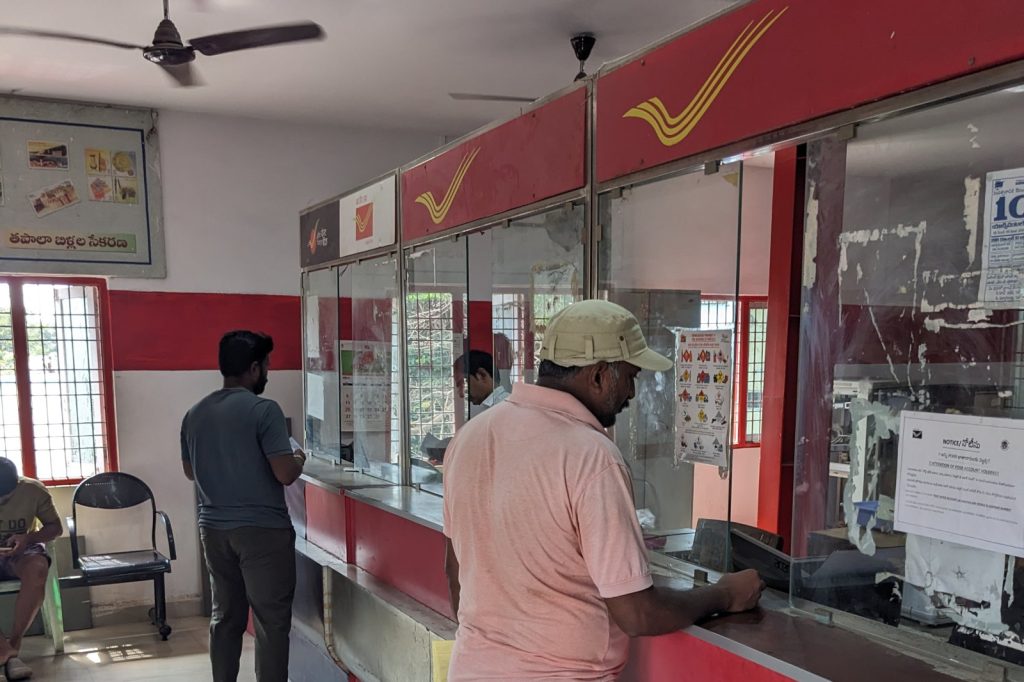
A brokerage report puts the likely salary and pension hike at thirty to thirty-four percent once the 8th Pay Commission takes effect. Roughly eleven million people stand to benefit.
The 7th Pay Commission delivered a fourteen percent hike – the lowest since 1970. The 8th is expected to be far larger, aimed at boosting consumption. Recommendations are scheduled for January 2026 but only take force after the report is prepared, then sent to the government, and approved.
A Pay Commission forms every ten years to keep state pay competitive with the private sector. The 8th will replace the 7th, which started in 2016. It covers basic pay, allowances, pensions, and retirement benefits for about 4.4 million central government employees and 6.8 million pensioners.
The fitment factor – the multiplier that sets revised basic pay – could land between 1.83 and 2.46, the report says. The 7th Commission used 2.57, lifting minimum basic pay to eighteen thousand rupees from seven thousand. But dearness allowance reset to zero, so the real salary-component gain was fourteen-point-three percent. With allowances, overall compensation rose twenty-three percent in year one.
The 6th Commission (2006) pushed overall pay up roughly fifty-four percent. The 7th (2015) managed fourteen-point-three percent on basic pay and introduced a new pay matrix.
Salary structure: basic pay, dearness allowance (a cost-of-living adjustment tied to the Consumer Price Index), house rent allowance (twenty-seven, eighteen, or nine percent of basic pay), transport allowance, and pension. Basic pay’s share has slipped from sixty-five percent to about fifty percent over time.
Pensioners outnumber active employees. The 8th Commission’s impact on pensions will mirror salaries – basic pay rises by the fitment factor, dearness allowance zeroes out. The National Pension Scheme was modified into the Unified Pension Scheme effective April 2025, guaranteeing fifty percent of last drawn base pay from FY26.
Delay risks are real. The 7th Commission was announced February 2014 and implemented January 2016. As of mid-2025 the 8th has not been formed and its Terms of Reference are pending. Historical timelines suggest eighteen to twenty-four months from announcement to rollout. The hike could arrive late 2026 or early 2027.
Fiscal pressure adds friction. The government balances welfare spending, election commitments, and deficit targets. A large hike strains the exchequer.
Notably, the salient point: eleven million beneficiaries wait while the machinery grinds. For all the noise, the numbers are clear.




