
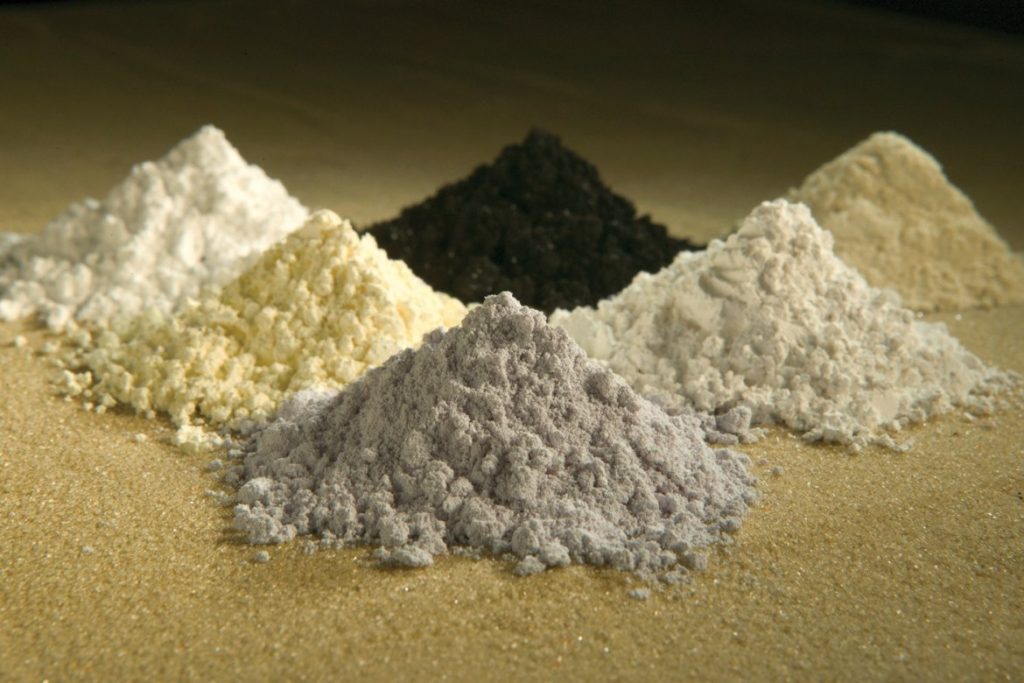
“The Middle East has oil, China has rare earths.” Deng Xiaoping said it in 1992, and Beijing has acted on the idea ever since. Business Insider’s November 2024 explainer lays out how far that lead now stretches: China produces 60% of the world’s rare earth mineral supply and accounts for 90% of global refined output.
Rare earths are a group of 17 elements. They go into semiconductors, industrial magnets and some solar panels, which is why the trade war between Washington and Beijing keeps circling back to them.
Why China got there first
Business Insider attributes the head start to supply, low labor costs and lax environmental standards. Those advantages let China build a market the rest of the world found hard to match.
Beijing has also shown it will use its position. In 2010 it imposed strict rare earth quotas, citing environmental concerns and resource preservation. Prices climbed sharply. The United States, the European Union and Japan took the matter to the World Trade Organization as an unfair trade practice. China lost the case and lifted the export quotas in 2015.
A tightening grip
The more recent steps came in two stages, according to the report. In December, China banned the export of a range of rare earth processing technologies. Then, the month before the article appeared, Beijing made it mandatory for exporters to track how rare earth minerals are used in supply chains, citing resource protection and national security. Under the same rules, rare earth resources now belong to the state, and two Canadian-owned rare earth refineries in China are being acquired by state-owned companies.
Rick Waters, managing director of Eurasia Group’s China practice, described these moves as part of a toolbox Beijing has built over the last four years. Tariffs give China less leverage, he explained, because it exports more to the US than it imports. Rare earths offer another route. “They’re experimenting with its use, and I think, in a way, they could go further — if they perceive they need to,” Waters said.
The West tries to catch up
Countries tried to diversify after the 2010 quotas, but Business Insider says success was limited by the high cost of investment and by environmental concerns. New efforts are under way. In 2022 the US Department of Defense awarded $45 million to MP Materials for rare earth oxide processing. A year later it awarded over $288 million to Lynas USA to set up commercial-scale rare earth oxide production.
Washington is plain about the exposure. “China has cornered the market for processing and refining of key critical minerals, leaving the US and our allies and partners vulnerable to supply chain shocks and undermining economic and national security,” the White House said in a statement in September.
Oxford Economics also flagged the risk in a report published in July. If the trade dispute escalates, it wrote, China could withhold inputs from Western manufacturers. Prices would probably spike as they did after the 2010 curbs, and a prolonged shortage could push up inflation for end products.




