
Before China’s containment efforts could fully take effect, the virus had already moved beyond its borders. By January 24, 2020, traders in Tokyo, New York and other financial centers were feeling the economic impact.
Official reports listed seventeen deaths in China and hundreds of infections, with several American travelers among those affected. The human toll was mirrored on the markets. Asian equity indexes fell sharply, and the declines quickly spread to European and U.S. exchanges. Analysts noted a direct link: a respiratory pathogen that causes fatalities also disrupts supply chains, curtails travel and erodes consumer confidence.
They warned that if the outbreak reached epidemic scale, the contraction in global GDP could be staggering, emphasizing that this assessment was based on arithmetic rather than alarmism. The airline sector illustrated the mechanism in real time.
In Hong Kong, Cathay Pacific Airways and Wynn Macau each shed more than four percent of market value within days as passenger demand vanished overnight. The rapid shift from a health crisis to a balance‑sheet crisis showed how quickly fear of infection translates into avoided bookings and reduced spending. Losses began to compound because few people choose to fly to a perceived danger zone or gamble in a city living under the shadow of quarantine.
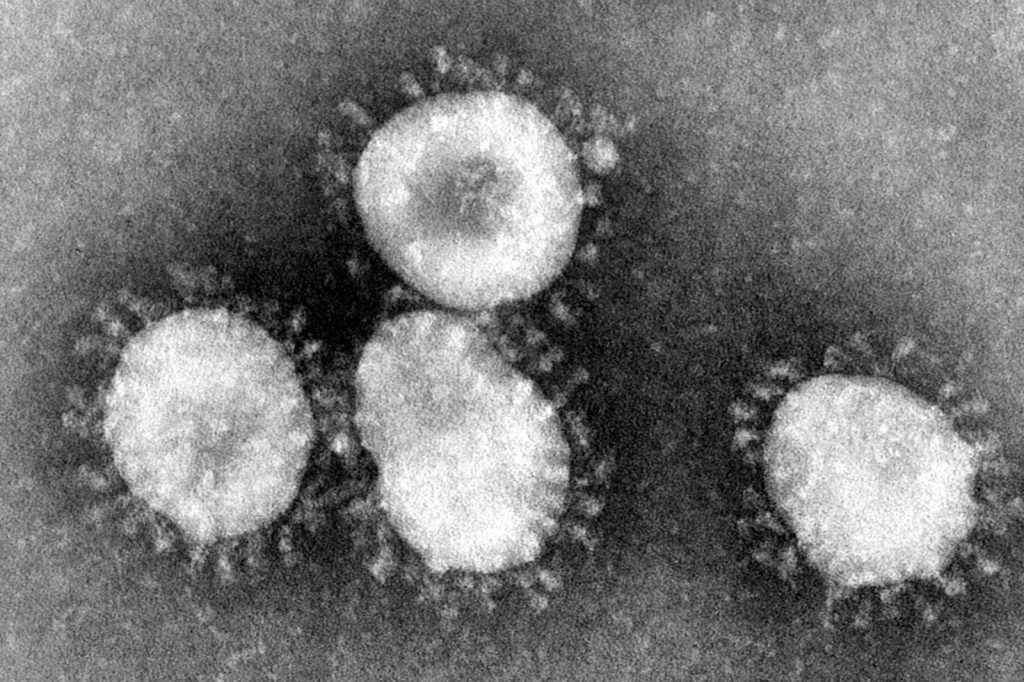
The new coronavirus shares similarities with SARS, which circulated between 2002 and 2003, killed over six hundred people and cost the global economy an estimated tens of billions of dollars. Early data indicated that the current pathogen was spreading faster in its initial weeks than SARS did.
Governments began weighing travel restrictions and economic safeguards while lacking a vaccine, a clear picture of the virus’s true reach, and knowledge of how many undetected cases were already crossing borders. Beijing’s initial strategy had relied on geographic isolation, assuming the virus could be kept inside China. That assumption collapsed once infected travelers from the United States were confirmed, proving that the pathogen does not respect national boundaries and moves with people who travel constantly.
The immediate question is no longer whether the global economy will suffer a hit—it already has—but rather how deep and how long the impact will last. If the outbreak is contained within weeks, the damage may be sharp but limited, with airlines and markets poised to rebound.




