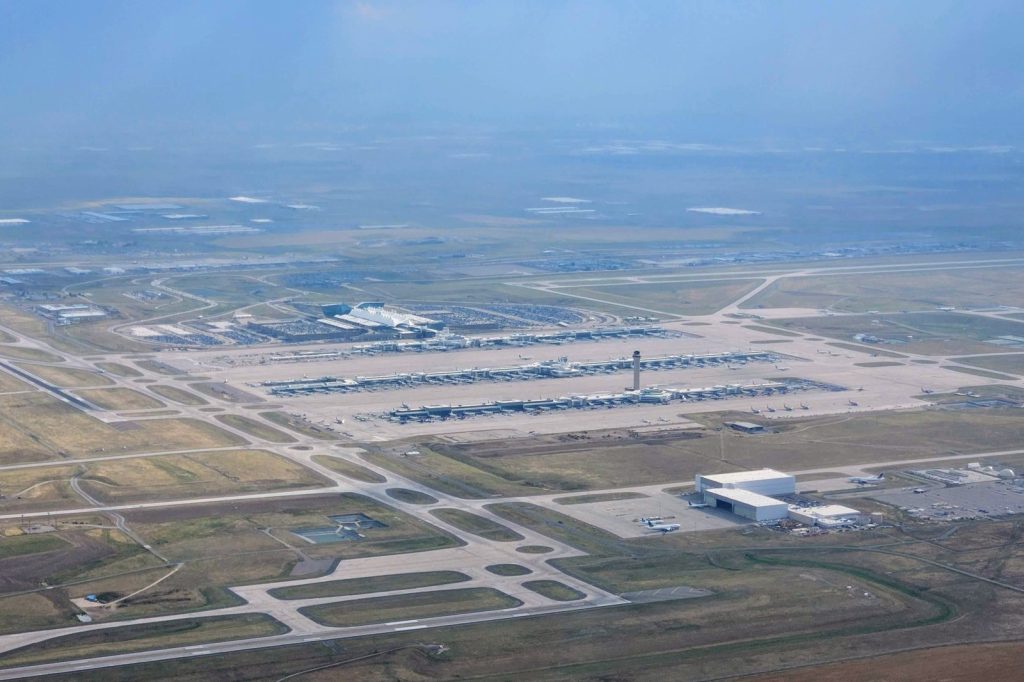
An Airbus A321neo aircraft operated by Frontier Airlines struck and killed a person during its takeoff roll at Denver International Airport on May 8, 2026. The collision triggered an engine fire and an aborted takeoff, resulting in injuries to 12 passengers aboard the flight.
The aircraft involved is a narrow-body, single-aisle airliner that is widely used by carriers. It belongs to the Airbus A320neo family, which also includes the A319neo and A320neo models. The A321neo is the longest fuselage variant among Airbus narrow-body aircraft currently in commercial service. It was announced by Airbus in December 2010 as a successor to the A321ceo, designed to offer improved fuel efficiency and reduced environmental impact.
In a standard two-class configuration, the A321neo typically seats between 180 and 220 passengers. A high-density arrangement can accommodate up to 244 passengers.
The model features new engines and sharklets as standard equipment, contributing to its reputation for fuel economy and passenger comfort. The National Transportation Safety Board is expected to lead the investigation into the incident. The inquiry will examine the circumstances of the event and identify any factors that may have contributed to the collision and subsequent fire.
The findings will be essential for determining the cause and for developing measures to prevent similar occurrences in the future. Denver International Airport, one of the busiest airports globally, has maintained a strong safety record.
This incident underscores the need for continued vigilance and improvement in airport safety protocols. The airport has implemented various sustainability initiatives, including solar power and energy-efficient lighting, to reduce its environmental footprint. The aviation industry is investing in more efficient and environmentally friendly aircraft, such as the A321neo, as part of broader efforts to reduce greenhouse gas emissions.
Sustainable energy solutions, including solar and wind power, are being adopted by airports to power operations and provide energy security and cost savings. The development of electric and hybrid-electric aircraft, along with more efficient engines and fuels, represents further steps toward reducing the industry’s environmental impact.
As the investigation proceeds, the focus remains on ensuring that safety protocols are robust enough to prevent accidents. A comprehensive approach that prioritizes both safety and sustainability is necessary to protect passengers, airport workers, and the environment. The incident serves as a reminder that while technological advancements are important, they must be accompanied by rigorous safety measures to achieve a safer and more sustainable aviation industry.