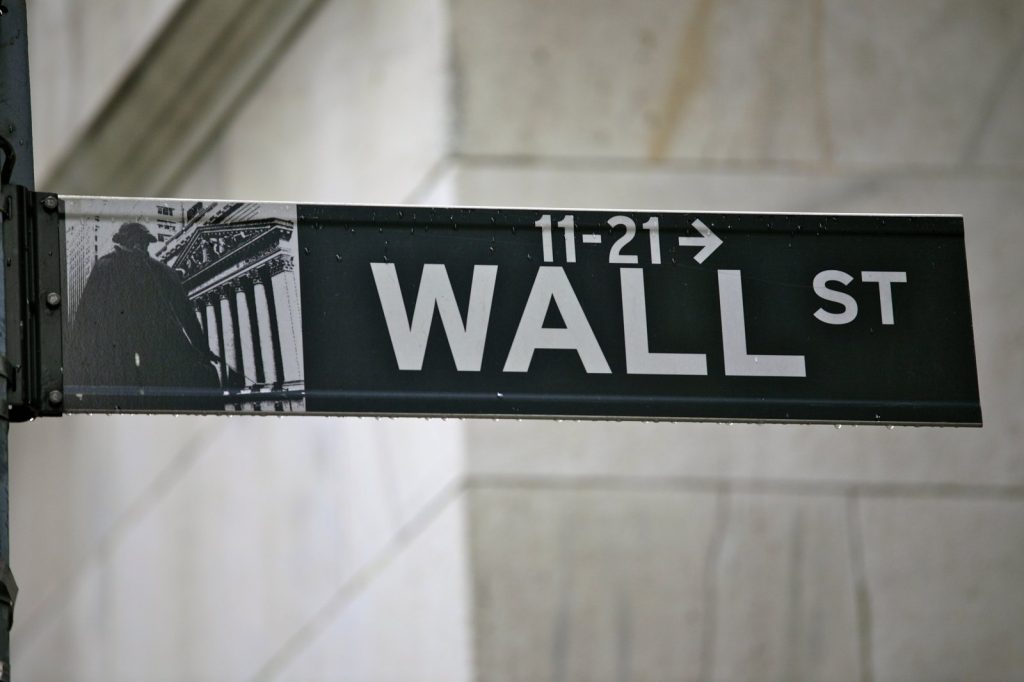
NEW YORK, July 9 — The Dow Jones Industrial Average fell 450 points on June 20, 2024, closing at 39,500 and recording its worst single-day performance in four weeks. The 1.1 percent decline was triggered by renewed tensions between the United States and Iran, according to the International Atomic Energy Agency, following reports that Iran had increased its uranium enrichment to near-weapons-grade levels. The broader S&P 500 index dropped 1.3 percent, and the Nasdaq Composite fell 1.5 percent.
The Dow’s decline erased gains from earlier in the week that had been driven by optimism over Federal Reserve interest rate cuts. The sell-off was led by energy and defense stocks.
ExxonMobil and Lockheed Martin both gained over 2 percent, while technology shares including Apple and Microsoft declined. The pattern reflected investor rotation into sectors positioned to benefit from heightened geopolitical risk. Benchmark Brent crude oil prices rose 2.5 percent to $85 per barrel, as the US-Iran tensions raised concerns about potential disruptions to global oil supplies.
The US dollar strengthened against major currencies as investors sought safe-haven assets. The US Treasury 10-year note yield fell to 4.25 percent from 4.30 percent as bond prices rose.
The record shows the Dow’s previous worst day was on May 23, 2024, when it fell 500 points over concerns about inflation data. The June 20 decline marked the second significant single-day drop for the index within a month. According to the IAEA reporting, the uranium enrichment developments in Iran represented a material escalation in the long-running dispute over Tehran’s nuclear program.
The agency’s findings indicated enrichment levels approaching the threshold for weapons-grade material, a step that the United States and European allies have repeatedly warned would cross a red line. The market reaction on June 20 followed a pattern familiar to investors tracking the Iran file: defense and energy stocks gained on the prospect of increased military spending and supply disruptions, while technology shares, which had led the broader rally earlier in the week, gave back gains. The rotation was sharp and occurred within a single trading session.
Sources familiar with market dynamics noted that the sell-off was contained relative to the geopolitical trigger. The 450-point decline, while the worst in four weeks, did not approach the scale of drawdowns seen during previous Middle East crises.
The VIX, the market’s fear gauge, rose but remained below levels associated with panic selling. The Federal Reserve’s interest rate outlook had been the dominant factor driving equity markets in the weeks leading up to June 20. Optimism that the central bank would begin cutting rates had pushed the Dow higher earlier in the week.
The Iran news overrode that narrative, at least temporarily, as investors repriced risk. On the timeline, the sequence of events is clear: the IAEA reported the enrichment increase, oil prices jumped, the dollar strengthened, and equities sold off.
The move in bonds — yields falling as prices rose — indicated a classic flight to safety. The 10-year note yield dropped five basis points in a single session. The decline in technology shares was notable given their weight in the major indices.
Apple and Microsoft, two of the largest components of the Dow and the broader S&P 500, both declined, dragging on the overall market. The losses in tech were not offset by gains in energy and defense, leaving the indices in negative territory. ExxonMobil’s gain of over 2 percent reflected the direct connection between Iran tensions and oil supply risk.
Any disruption to shipping through the Strait of Hormuz, the narrow passage through which a significant portion of the world’s crude oil transits, would hit global supplies immediately. Brent crude at $85 per barrel represented a notable increase from levels earlier in the month.
Lockheed Martin’s gain followed the same logic: heightened tensions typically lead to increased defense spending and procurement. The stock has historically been a beneficiary of geopolitical crises, and the June 20 session was no exception. The US dollar’s strength against major currencies was consistent with the safe-haven flows.
When geopolitical risk spikes, global investors tend to buy dollars and US Treasuries, pushing the currency higher and yields lower. The move on June 20 followed that established pattern.
The IAEA’s reporting on Iran’s uranium enrichment was the catalyst, but the market’s reaction also reflected broader uncertainty about the trajectory of US-Iran relations under the current administration. The Trump administration had pursued a maximum pressure policy toward Tehran, withdrawing from the nuclear deal and reimposing sanctions. The enrichment increase represented Tehran’s response to that pressure.
For investors, the question going forward is whether the June 20 sell-off was a one-day event or the beginning of a broader correction. The Dow had been trading near record levels earlier in the week, and the 450-point decline, while significant, brought the index only modestly off its highs. The key variable remains the trajectory of US-Iran tensions and whether diplomatic channels remain open.
The May 23, 2024 decline of 500 points, triggered by inflation data, had been the Dow’s worst day prior to June 20