
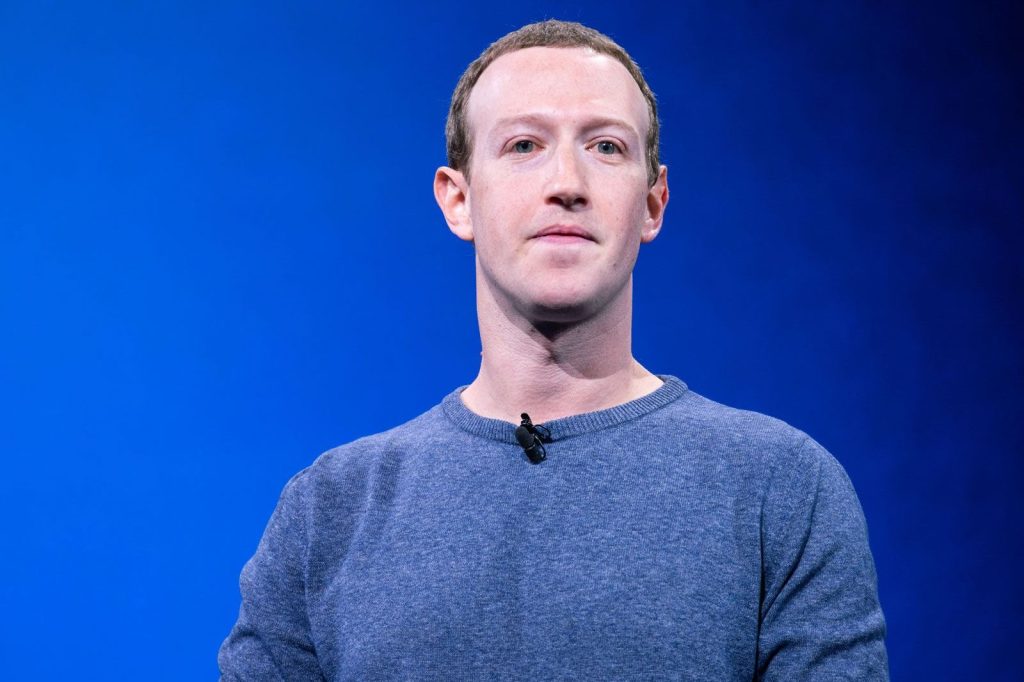
Facebook will keep accepting money for political advertisements, the company confirmed on 9 January 2020, brushing off months of complaints that its platform lets politicians lie to voters. Executives said they will not ban or fact-check campaign ads and instead urged Congress to write industry-wide rules. Product director Rob Leathern, who oversees the political ads library, published a blog post saying the company hears the anger but fears the alternative.
“We are not deaf to the criticism,” he wrote. “Ultimately, we don’t think decisions about political ads should be made by private companies, which is why we are arguing for regulation that would apply across the industry.” The statement followed employee letters, civil-rights group petitions and pointed questions from lawmakers who say Facebook profits from deception.
Leathern repeated chief executive Mark Zuckerberg’s line that voters deserve to hear what their leaders say, true or false. The post appeared three months after Twitter said it would bar most political ads altogether and two months after Google limited audience targeting for election material. Facebook’s stance means campaigns can still upload voter files, names, addresses, phone numbers, and match them to user profiles.
Once matched, the candidate can show different messages to different slices of the electorate with almost no public visibility until after the ad has run.
New controls for users, same freedom for campaigns
To blunt criticism, the company released extra transparency tools on the same day it reaffirmed the policy. A new panel in the Ad Library will let any user see how many people viewed a given political spot, how much was spent and what percentage of the spend targeted each state, age bracket or gender. Users can also override some targeting choices made by campaigns.
“If a candidate has chosen to exclude you from seeing certain fundraising ads because they don’t think you will donate again, but you still want a chance to see those ads, you can stop yourself from being excluded,” Leathern explained. The controls do not stop campaigns from micro-targeting everyone else.
Advertisers may still narrow audiences by interests such as “gun rights” or “environmental justice,” categories derived from pages liked and links clicked. They may also use “look-alike” pools that find new voters who behave like known supporters. Outside analysts say the added disclosures are cosmetic.
“Giving users a button to opt back into ads they were filtered out of does nothing for the millions who never knew the ad existed,” said Jonathan Albright, research director at the Tow Center for Digital Journalism. “The real action is in the custom audiences that remain hidden.”
Rival platforms take tighter approaches
Twitter’s ban, enacted in November 2019, blocks paid content that references a candidate, party, ballot measure or appeals for votes. Google still sells election ads but no longer lets advertisers place them using public voter records or affinity lists such as “conservative” or “liberal.” YouTube, owned by Google, applies the same rule. Facebook argues that the diverging standards prove the need for federal legislation.
“The lack of rules prompts other companies to do their own,” Leathern wrote. He asked lawmakers to set definitions for what counts as a political ad, how quickly platforms must release spending data and whether targeting should be curtailed.
House members have floated several bills, but none has moved out of committee. The Honest Ads Act, re-introduced last year, would require platforms with more than fifty million users to maintain public files of political ad buyers and spending, similar to rules for television stations. Senators Amy Klobuchar and Lindsey Graham pledged on 8 January to push for a vote once the impeachment trial ends.
2020 election looms
The policy fight is timed against the first presidential primaries. Campaigns have already spent more than twenty-seven million dollars on Facebook ads since January 2019, according to the company’s own library. President Donald Trump’s re-election account leads the field, followed by Democrat Michael Bloomberg, who entered the race in November.
Digital directors for several campaigns told reporters they welcome Facebook’s openness. “We can test twenty versions of a message in one morning and see which moves poll numbers by lunch,” one staffer said on condition of anonymity because the person was not authorized to speak publicly.
Critics counter that the same tools let bad actors suppress turnout or inflame racial divisions with little accountability. State election officials worry the platform has not fixed the gaps exposed in 2016. “We still learn about fraudulent pages from journalists, not from Facebook,” said Michigan secretary of state Jocelyn Benson on 10 January.
Her office asked the company to share suspicious ad data in real time; the firm replied that it must balance privacy rules. Facebook says it will label all political ads with a “paid for by” disclaimer and store them in the public library for seven years.
Yet the library updates only once a day, meaning a false claim can circulate for hours before researchers catalog it. The company will not decide what is true, Leathern repeated: “We believe robust debate is healthy for democracy.” With the Iowa caucus three weeks away, campaigns are uploading new voter lists daily. Billions more impressions will be bought before November.
Unless Congress acts, the boundaries of acceptable political speech on the world’s largest social network will remain a matter of Facebook’s business judgment, not law.




