
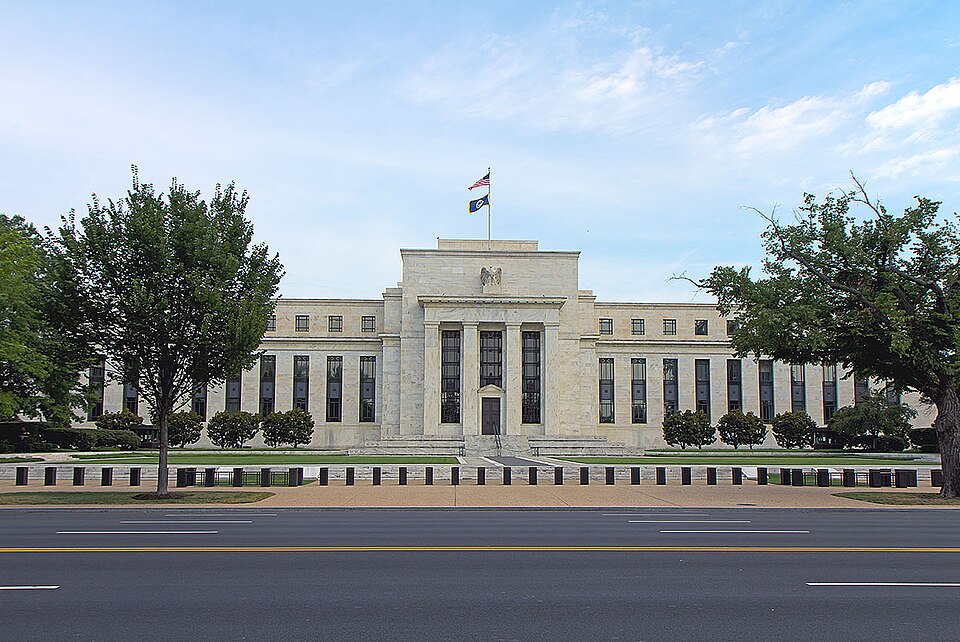
The Federal Reserve raised interest rates on Wednesday for the first time since July 2023. The 25-basis-point increase lifted the federal funds target to a range of 3.75% to 4%, up from 3.50% to 3.75%, and the vote was unanimous.
Inflation is the reason. It is still above the Fed’s 2% goal, and higher energy prices, geopolitical tension and resilient domestic spending have raised the worry that prices stay elevated longer than hoped. Fed Chairman Kevin Warsh said the economy has strengthened but inflation remains the main challenge. The Fed described activity as expanding at a solid pace, backed by strong productivity growth and heavy capital investment.
The forecasts
Officials nudged their inflation outlook higher. In the latest projections, headline PCE inflation is expected to reach 3.7% in 2026, up from 3.6% in June. Core PCE is put at 3.4%, against 3.3% before.
The “dot plot” points to more tightening. Of 18 officials, 12 see two hikes in 2026, four see three, and two see one. The median path has rates holding in 2027 after two hikes this year, then dropping 25 basis points in 2028.
Banks take the hit
Markets did not like the prospect of rates staying higher for longer. JPMorgan, Bank of America, Citigroup, Wells Fargo and KeyCorp all fell the day after the announcement. The KBW Nasdaq Regional Banking Index dropped 1.5% and the S&P Banks Select Industry Index lost 1.7%.
The catch for lenders is that rate moves cut several ways at once. Higher rates can change a bank’s net interest income, its funding costs, loan demand and credit quality, which is why the Fed’s path matters so much to the sector.




