
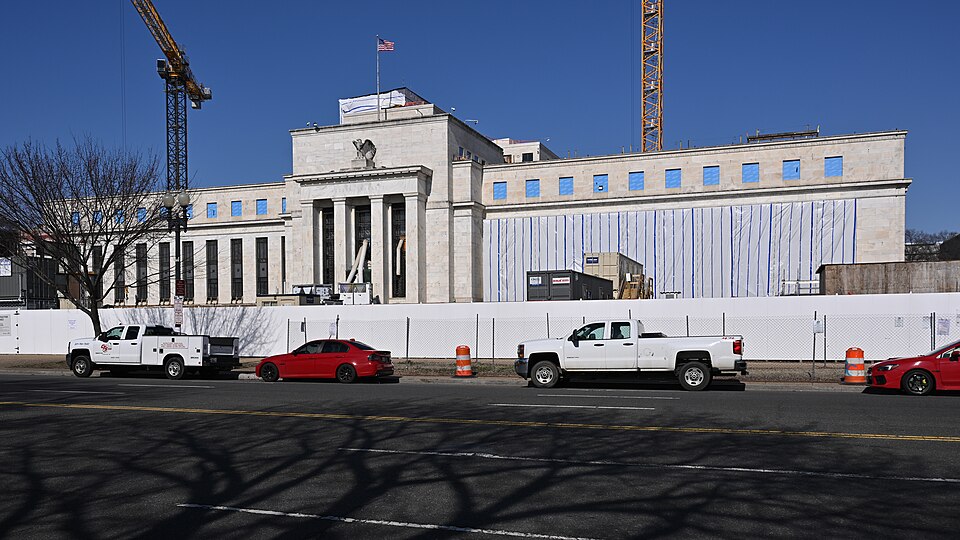
WASHINGTON, September 10 — The Federal Open Market Committee meets next week, and the odds of another rate hike have moved sharply in recent weeks as inflation data keep coming in hot. The Fed’s benchmark federal funds rate sits in a target range of 5.25 to 5.50 percent, set at the July 2023 meeting. That range is the central bank’s primary tool for influencing borrowing costs across the economy, from mortgages and auto loans to credit cards and corporate debt.
The shift in expectations follows the release of the Consumer Price Index for the most recent month, which showed inflation running above consensus forecasts. Core CPI, which strips out volatile food and energy prices, also remained elevated.
The latest jobs report pointed to continued labor market tightness, with unemployment near historic lows and wage growth still solid.
Powell’s stance
Fed Chair Jerome Powell has repeatedly said the committee will decide meeting by meeting, based on incoming data. In his most recent congressional testimony and public appearances, he acknowledged that disinflation has been slower than hoped and said the committee is prepared to raise rates further if warranted. Other FOMC participants, including several regional Federal Reserve Bank presidents, have echoed that view.
Since March 2022, the FOMC has raised rates 11 times, totaling 525 basis points — the fastest tightening cycle since the 1980s. The committee paused at its September and November 2023 meetings, but minutes from those meetings showed most participants still saw upside risks to inflation and left the door open to further increases.
The Fed’s dual mandate from Congress is maximum employment and price stability, with a 2 percent inflation target.
What to watch
Powell will hold a post-meeting press conference. New York Fed President John Williams, a permanent voting member, is among the key figures, along with rotating voters such as Cleveland Fed President Loretta Mester and Richmond Fed President Thomas Barkin. The decision will be announced at the conclusion of the two-day meeting, followed by the press conference and the release of updated economic projections in the Summary of Economic Projections, which includes the so-called dot plot of individual policymakers’ rate expectations.
A hike would raise borrowing costs for consumers and businesses. Mortgage rates, already near 8 percent for a 30-year fixed loan, could climb further.
Credit card APRs, tied to the prime rate, would rise within weeks. Small businesses seeking loans would face higher costs. Savers, by contrast, would benefit from higher yields on certificates of deposit and money market accounts.
Globally, a stronger dollar could pressure emerging market economies with dollar-denominated debt. The committee is also weighing broader conditions, including the war in Ukraine, tensions in the Middle East and supply chain disruptions.
But it has signaled it will not let geopolitical events deter its inflation fight unless they cause a significant slowdown in economic activity. The bottom line: investors will watch the dot plot as closely as the rate decision itself. The figure that matters next week is whether policymakers signal one more hike or a longer pause.




