
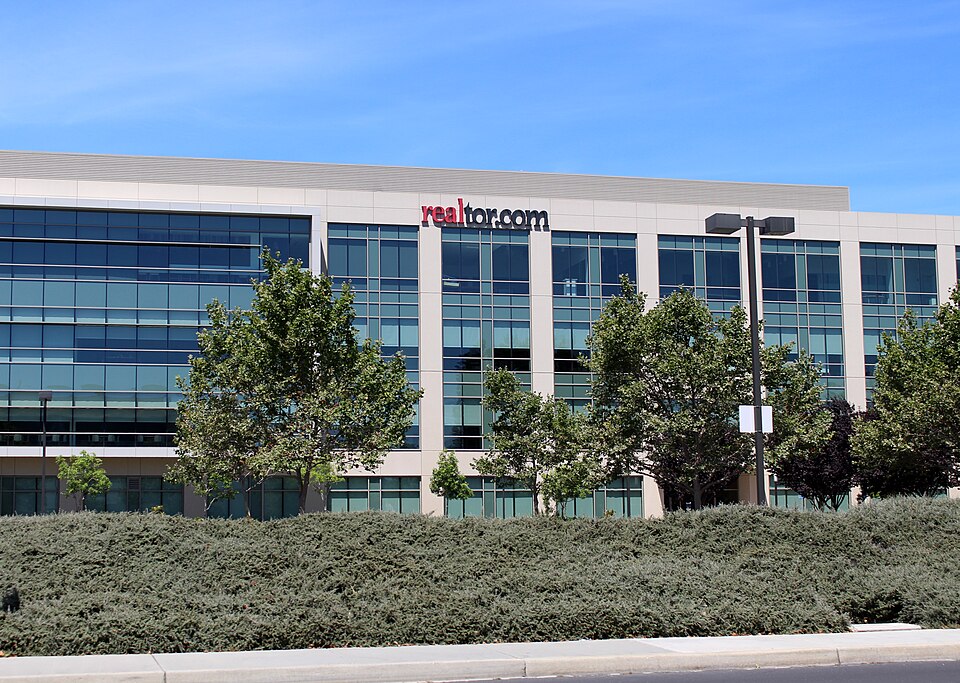
HARTFORD, September 10, 2026 — The story begins with a number that would have seemed improbable a decade ago. Hartford, Connecticut, ranks first among the ten fastest-growing real estate markets in the United States for 2026, according to an updated ranking by author Cris Tolomia published by Quartz on September 3, built on Realtor.com’s 2026 forecast for the 100 largest U.S. metro areas.
The projection for Hartford is the strongest combined growth in home prices and sales of any large U.S. metro: existing home sales up 7.6% and the median sale price up 9.5%, a combined growth rate of 17.1% — the highest mark among the 100 largest metro areas tracked.
A geographic reversal
What unfolded across the full list is a reversal of the pattern that defined the past decade. Nine of the ten markets projected to post the strongest combined growth in home sales and prices sit in the Northeast and Midwest — regions that spent years watching population and capital flow to Sun Belt boomtowns such as Austin, Phoenix and Charlotte, plus mountain-state cities like Boise. Affordability explains most of the shift.
The median list price across the top ten markets is $384,000, well below the national median of $415,000, and buyers priced out of Boston, New York and Washington, D.C. are increasingly willing to relocate for it. In the third quarter of 2025, 40% of listing views in these top markets came from people searching from outside the metro area, up from 31% before mortgage rates began climbing in early 2022.
Each city draws heavily from one specific high-cost hub nearby, turning smaller Northeastern and Midwestern metros into what Realtor.com calls refuge markets. Tight inventory reinforces the trend: several of these cities have 60% fewer homes for sale than before the pandemic, and new construction remains scarce almost everywhere on the list, so even modest demand pushes prices up faster than the national average.
What anchors Hartford
Hartford carries the long-standing nickname the insurance capital of the world. The Hartford Financial Services Group keeps its global headquarters downtown, and Aetna built its corporate identity there for more than a century before its 2018 acquisition by CVS Health — a legacy that still shapes the local economy through steady, well-paying jobs in underwriting, claims and financial services. The metro’s median age sits around 55, well above the U.S. median of 40.
Hartford sits within driving distance of both New York and Boston, and its homes for sale remain more than 60% below pre-pandemic levels — one of the tightest supply pictures among the top ten markets. Buyers in these markets also tend to be older and more financially secure, with stronger credit and less mortgage rate lock-in than the typical American homeowner, positioning the markets for outsized growth even as the broader national market cools and shifts slightly toward buyers.
Rochester close behind
Rochester ranks second, with Realtor.com’s 2026 forecast calling for a 5.3% rise in existing home sales and a 10.3% rise in the median sale price, a combined growth rate of 15.5%. The same research firm named Rochester the best U.S. market for first-time buyers.
The ranking is based on Realtor.com’s combined forecast for home sales and price growth across the 100 largest U.S. metro areas, with each entry explaining what drives demand in that specific market, from job growth and university anchors to the age and size of the local housing stock. For those involved, the next test is whether the supply picture loosens.
With new construction scarce almost everywhere on the list, watch whether the refuge-market dynamic holds through the rest of 2026 — and whether Hartford’s projected 17.1% combined growth materialises as forecast.




