
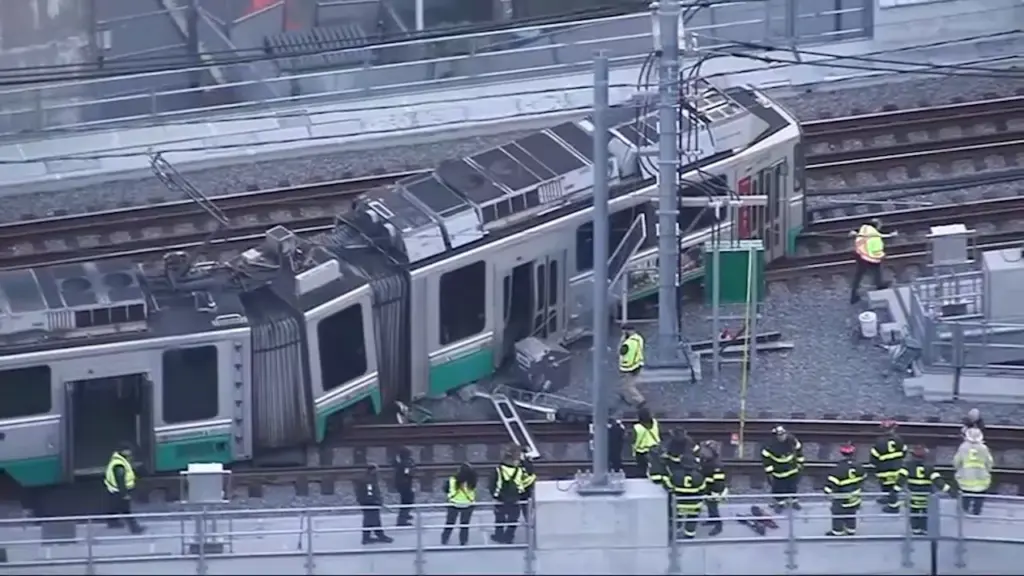
In Somerville, Massachusetts, a devastating train collision occurred, injuring five people on February 9, 2025. A Green Line train, operated by MBTA, collided with an out-of-service train, leading to the derailment of both.
The Green Line, integral to Boston’s transit, has a historical lineage dating back to 1897, making it one of the oldest subway lines in North America. It services a significant number of daily commuters, with an average ridership of 101,000 on weekday days in 2023. Spanning an extensive network that includes downtown Boston and its neighboring suburbs, the Green Line comprises six branches running on radial boulevards and grade-separated alignments.
The line has consistently proven to be one of the most heavily used light rail systems in the United States, significantly impacting the daily commute for thousands. Recognizing its importance, MBTA has expressed commitment to maintaining and improving the line, essential for safe and efficient transport.
Investigations are ongoing following the incident, with MBTA likely scrutinizing safety protocols and procedures to preclude future occurrences. The derailment sparked concerns about the Green Line’s infrastructure and the potential perils associated with aging systems. Despite challenges, MBTA has actively pursued modernization and upgrades to their systems.
The Green Line traverses the Emerald Necklace, a series of parks and green spaces that represent a cherished aspect of Boston’s landscape. MBTA’s endeavors to uphold safe and reliable transport are crucial in preserving both the beauty and functionality of this feature.
Additionally, the use of public transportation such as the Green Line plays an essential role in crafting a sustainable and environmentally friendly transport system. By providing a dependable and efficient mode of travel that competes with private vehicles, public transport options like the Green Line help decrease air pollution and promote energy security. As urbanization expands globally, the development of effective, sustainable public transit systems becomes increasingly vital.
MBTA’s initiatives in maintaining the Green Line exemplify a move in the right direction, which has wide-reaching environmental and community benefits. As residents in Somerville and the surrounding areas come to terms with the accident, they can find solace in MBTA’s dedication to ensuring safety and reliability.
The incident serves as a stark reminder of the importance attached to maintaining and upgrading transportation infrastructure to avert such occurrences. MBTA’s efforts to foster the usage of public transport symbolize a step toward a more sustainable and environmentally friendly transport system. The Green Line, with its rich history and extensive reach, is a crucial component of Boston’s metropolitan transportation network.
Its ongoing operation and improvement are pivotal to the region’s growth and development. MBTA’s plans to further upgrade and modernize the Green Line are critical for achieving safety and efficiency, integrating new technologies and innovative solutions to mitigate the risk of accidents and enhance the overall passenger experience.
With public transport demand on the rise, MBTA’s commitment to reliable and sustainable transport assumes importance in fulfilling community needs. The Green Line, an important part of Boston’s transportation infrastructure, will undeniably have a long-term positive impact on the environment, economy, and community, provided it continues its operation and improvement.




