
Greek Airspace Halted by ATC Glitch
then paragraph.
We’ll then have sections:
Immediate Impact
,
Investigation and System Review
,
Passenger Experience and Response
,
Greek Airspace Halted by ATC Glitch
On January 4, 2026, a sudden technical failure in Greece’s air‑traffic‑control communication network brought the country’s airspace to a complete stop. The malfunction triggered a seven‑hour nationwide ground stop and forced the closure of all Greek airspace.
As a result, aircraft already in flight were diverted to neighboring states, setting off a cascade of delays and cancellations that rippled across the region.
Immediate Impact on Flights and Passengers
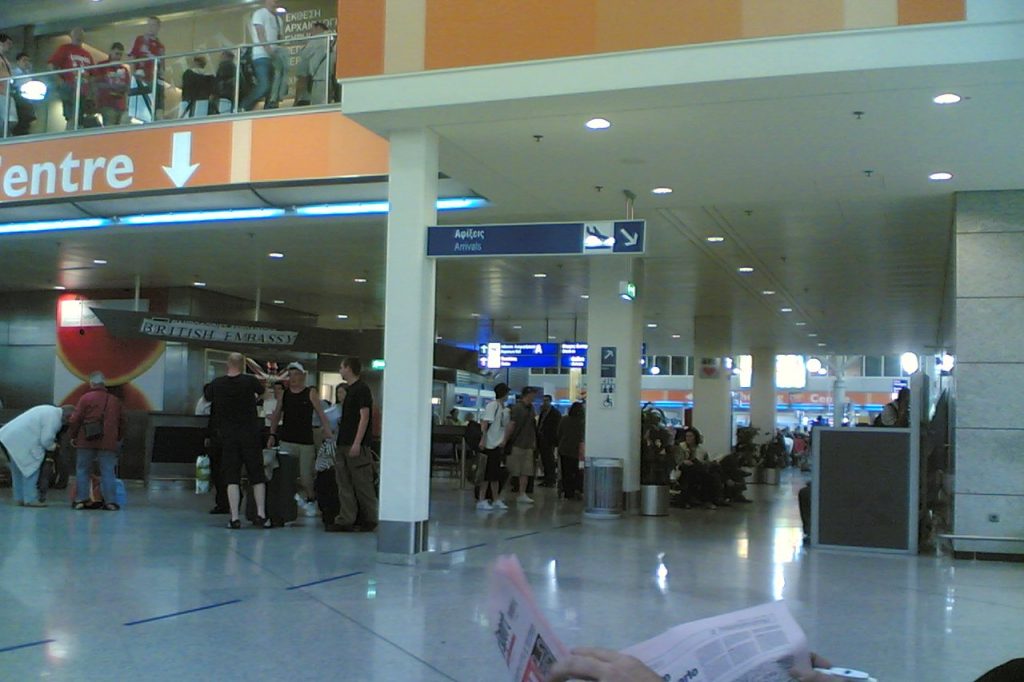
The shutdown occurred early in the day and quickly affected thousands of travelers. Flights that rely on Greece as a transit hub between Europe, Asia and Africa were forced to reroute, leading to extended journey times and missed connections. Airlines reported widespread delays and numerous cancellations, while airports filled with passengers uncertain about when they would be able to continue their trips. Many travelers spent hours waiting in terminals, others were rerouted to airports in nearby countries, adding several hours to their original itineraries.
Investigation into the Failure
Greek authorities launched an investigation immediately to determine the root cause of the communication breakdown and to prevent similar incidents. Officials noted that the nation’s air‑traffic‑control systems are regarded as among the most advanced in the area, featuring state‑of‑the‑art technology and staffed by highly trained personnel.
Despite this sophistication, the episode underscored how even the most resilient systems can be vulnerable to unexpected technical glitches.
Response and Passenger Assistance
Air‑traffic controllers worked continuously to redirect aircraft and limit the disruption, while airlines activated contingency plans to accommodate stranded passengers. Support measures included the provision of meals, temporary lodging and alternative travel options.
The reaction from both Greek officials and airline crews was described as swift and effective, helping to mitigate the worst consequences of the shutdown.
Regional Cooperation and Lessons Learned
The incident highlighted the importance of cross‑border collaboration. Neighboring countries offered assistance by accepting diverted flights and providing ground services, demonstrating how regional coordination can ease the burden during an ATC outage. The experience reinforced the view that reliable communication, joint planning and mutual support among nations and aviation stakeholders are essential for maintaining safe and efficient air travel.
Future Outlook for ATC Systems
Looking ahead, the disruption is expected to accelerate efforts to modernise and upgrade air‑traffic‑control infrastructure in Greece and throughout the surrounding region. Discussions are already underway about integrating emerging technologies such as artificial intelligence and blockchain to boost system resilience and reliability.
Experts also stress the need for increased investment in advanced communication equipment and ongoing training programmes to keep personnel prepared for any eventuality.
Return to Normal Operations
As Greek airspace gradually reopened and flights resumed, attention shifted to restoring regular schedules and minimising lingering effects on passengers and airlines. While the seven‑hour stop caused considerable inconvenience, it also served as a reminder of the critical role that dependable, adaptable air‑traffic‑control systems play in the global aviation network. The events of January 4, 2026, will likely inform future policies aimed at strengthening reliability, fostering resilience and encouraging international cooperation in the skies.




