
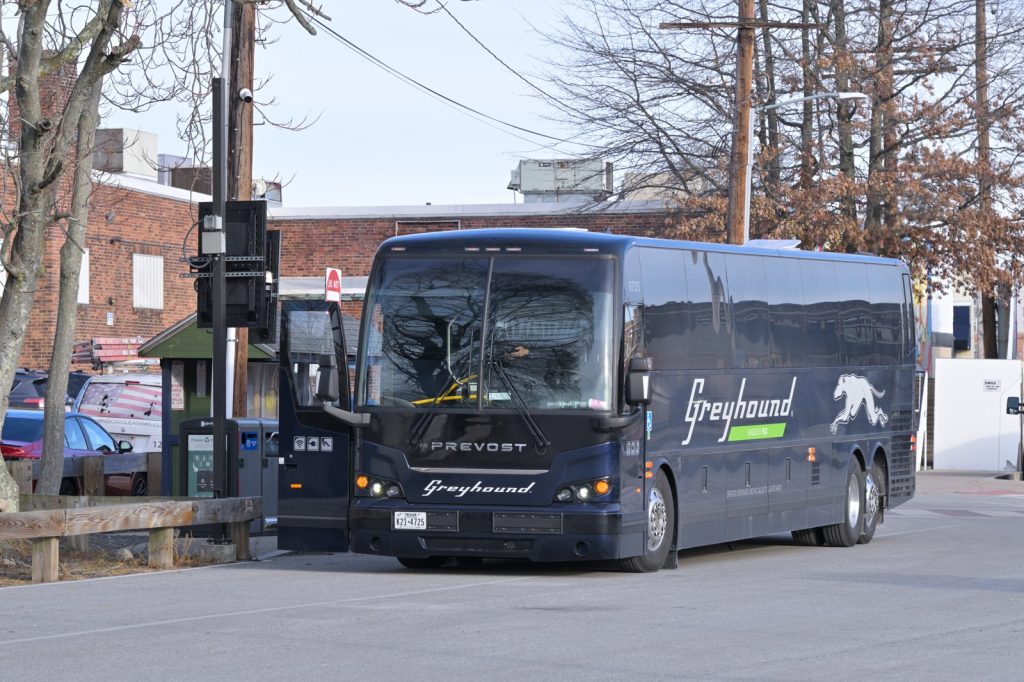
The interstate rest stop off I-70 in Madison County is supposed to be a place for weary drivers to pull over, stretch their legs, and catch a few minutes of sleep. On July 12, 2023, it became the site of a catastrophe. A Greyhound passenger bus plowed into three parked trucks there, killing three people and sending fourteen others to the hospital.
The crash did not happen on a winding mountain road or in a blinding snowstorm. It happened in a rest area, a fixed location designed for safety.
That fact alone is jarring. Rest areas are low-speed zones. Trucks park there, often overnight, with their engines idling or off.
For a bus to hit three of them suggests speed, a mechanical failure, or a driver who was incapacitated. The investigation will sort that out.
But the location raises a blunt question: if a bus can crash into stationary vehicles at a rest stop, what does that say about the state of the driver or the bus itself? Greyhound is no startup. The company traces its first route back to 1914 in Hibbing, Minnesota.
It adopted the Greyhound name in 1929. For over a century, it has been the backbone of affordable intercity travel in America, serving more than 1,600 destinations from its Dallas headquarters. Its buses are a lifeline for people who cannot afford to fly or who live in towns the airlines abandoned.
But a long history does not guarantee a safe present. The company has faced scrutiny before over maintenance and driver fatigue.
This crash will bring that scrutiny back, hard. The fourteen injured passengers are now facing a reality no traveler expects. They boarded that bus expecting to reach their destination.
Instead, they ended up in a hospital. The three who died never made it home at all.
Their names have not been released. The families are waiting. The rest area, a common stop for truckers and motorists, is now a crime scene.
Investigators will comb through the wreckage. They will check the bus’s brakes, tires, and steering. They will pull the driver’s logs and look for hours-of-service violations.
They will test for drugs and alcohol. They will interview survivors.
The cause is not yet known. It could be a medical event behind the wheel. It could be a mechanical failure that left the bus without brakes.
It could be simple human error. But the pattern is familiar.
A big vehicle, a tired driver, a moment of inattention, and then the crash. The rest area was a safe haven that turned into a trap. The parked trucks were doing what they were supposed to do.
The bus was not. This is the kind of accident that forces a reckoning. Greyhound operates the largest intercity bus network in the country.
That scale means it moves millions of passengers every year. It also means it has a vast fleet of buses that need constant maintenance and a pool of drivers who must stay alert over long, monotonous routes.
The company’s commitment to affordable fares is well known. Its commitment to safety is now under a microscope. The investigation will take weeks, maybe months.
The findings will matter not just for the victims and their families, but for every passenger who steps onto a Greyhound bus in the future. The rest area off I-70 is quiet now, but the wreckage tells a story that cannot be ignored.




