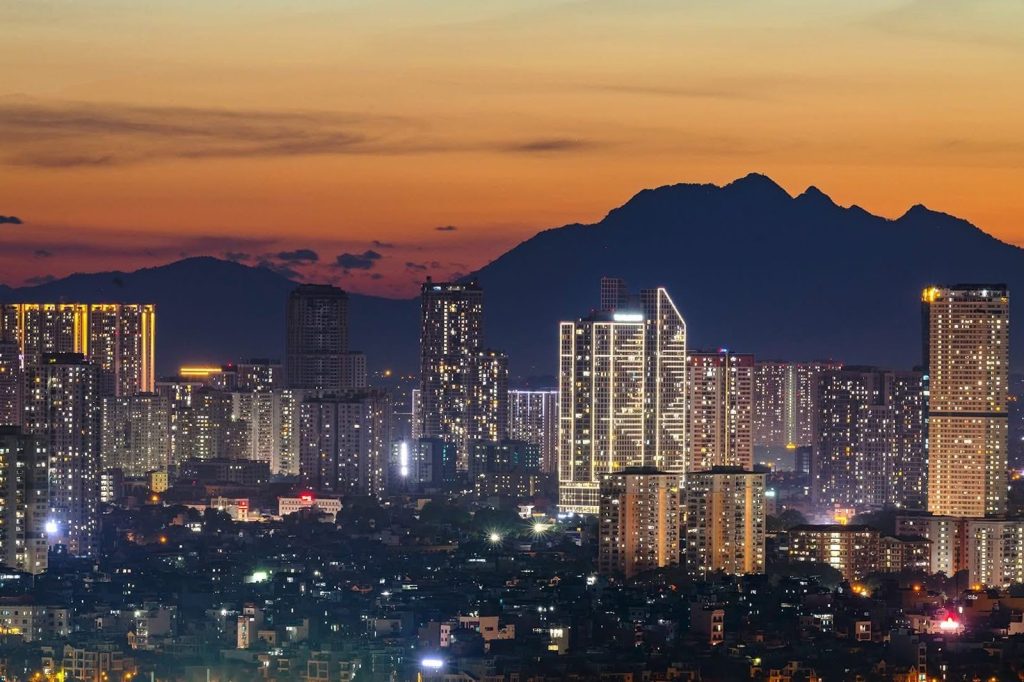
Residents across Hanoi are confronting a stark reality in the wake of a devastating apartment fire that claimed at least 56 lives and left 37 others injured on September 13. The tragedy, unfolding in a rapidly expanding metropolis, has laid bare the consequences of urban growth outpacing safety infrastructure. Hanoi, home to over 8 million people within 3,358.6 square kilometers, has seen a proliferation of narrow apartment blocks, many exceeding nine stories. These structures, erected hastily to accommodate a swelling population, now face scrutiny after one such building became the site of the deadly incident.
The victims were residents, workers, and families who placed their trust in the building’s safety. The city’s economic engine is substantial, with a gross regional domestic product of US$48 billion in 2023.
This wealth stems from a dense population, a thriving tourism sector, and the presence of 78 foreign embassies alongside the headquarters of the Vietnam People’s Army. The fire threatens to undermine this progress, not merely through reputational harm but by exposing potential vulnerabilities in countless similar buildings. For tenants in comparable structures, the risks are deeply personal.
They lack control over electrical systems, emergency exits, or fireproofing materials, instead relying on landlords, builders, and inspectors. The September 13 fire demonstrated a failure in those safeguards.
Investigators will examine the building’s design, construction, and maintenance, as well as the emergency response protocols. For the families of the deceased, however, the inadequacy of these measures is already evident. The immediate social toll includes grief, funerals, and vacant homes.
Broader economic consequences may follow. Tourists and foreign businesses observing the incident may reassess Hanoi’s stability.
Insurance premiums could rise, and property values in older buildings might decline. Such shifts are typical market and behavioral responses to major safety failures. This is not an isolated event in dense urban centers, but the death toll of 56 demands action.
Hanoi’s rapid urbanization has strained infrastructure, including fire safety systems. The scale of the tragedy forces a reckoning with these pressures.
The question remains whether authorities will implement substantive reforms or offer only promises. The 37 injured face a lengthy recovery process. For the families of the 56 dead, the loss is permanent.
For the broader population, the fire serves as a warning. High-rise apartments, narrow alleys, and buildings with single staircases now represent potential hazards.
City leaders must decide whether to act before another disaster or after it. The safety of millions living in a city that has expanded rapidly hangs in the balance. The living wait to see if lessons will be learned.