
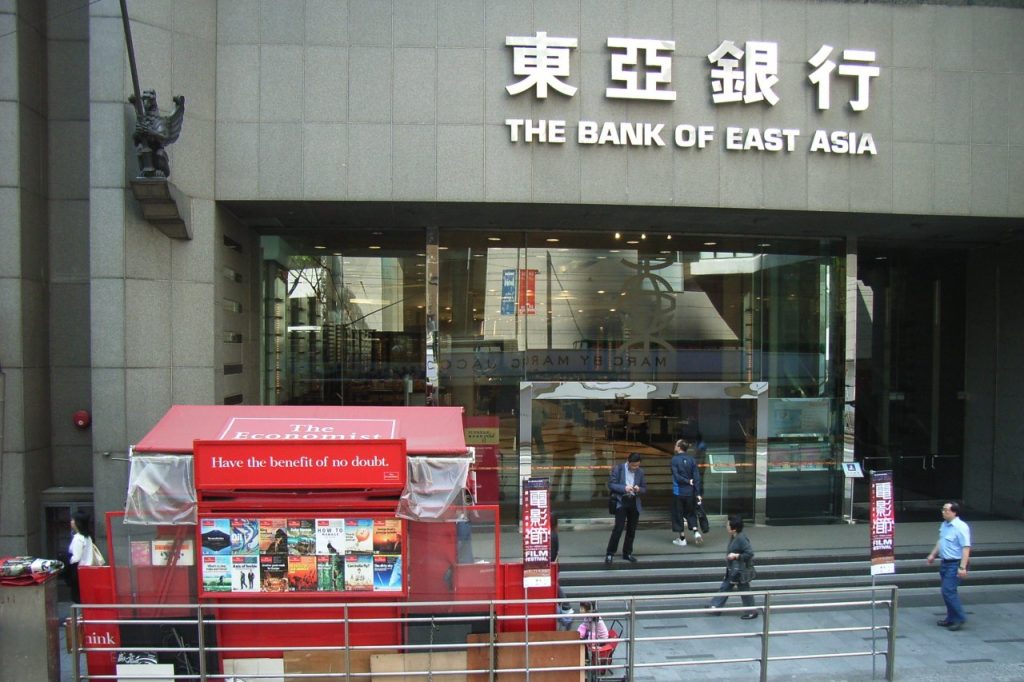
Three of Hong Kong’s biggest banks took out full-page newspaper ads on August 22, 2019, asking for calm. HSBC, Standard Chartered, and Bank of East Asia did not name who they were talking to. They did not name the protesters, the government, or Beijing.
They just asked for order. The ads ran across Asian financial district newspapers.
That detail matters. These banks were not speaking to the general public of Hong Kong. They were speaking to the money.
To the investors, the fund managers, the people who decide whether capital stays or flees. And capital has been getting nervous since June.
The protests began over a now-suspended extradition bill. That bill would have allowed criminal suspects in Hong Kong to be sent to mainland China for trial. For many residents, that crossed a line.
It looked like Beijing was chipping away at the “one country, two systems” framework that came with the 1997 handover from Britain. Thousands took to the streets. By August, the economic damage was plain.
Bank of East Asia reported a 75% plunge in first-half net profit. The bank partly blamed loan devaluations in China.
Small and medium businesses reported sharp revenue declines. Tourism took a hit. A recession looked imminent if the unrest continued.
HSBC’s ad said: “We call on all parties to work together to restore calm and order.” That is cautious language. It is the language of an institution that does not want to pick a side.
But in a protest movement, refusing to pick a side is itself a position. The banks were not asking the government to back down. They were not asking the police to stop.
They were asking everyone to stop. That is a call for the status quo. The protesters want political reforms.
They want an end to police violence. They see the extradition bill as a symptom of a larger problem — Beijing’s growing reach into a city that was promised autonomy.
The banks see the protests as a disruption to business. Those two views are not the same thing. The ads tried to paper over that gap with calls for dialogue.
But dialogue requires both sides to want the same outcome. The protesters want change.
The banks want stability. Hong Kong leader Carrie Lam suspended the extradition bill, but that did not stop the demonstrations. The underlying fear — that Beijing is eroding Hong Kong’s freedoms — did not go away.
The banks’ ads did not address that fear. They addressed the profit-and-loss statement. The timing of the ads is telling.
August 22. By then, the protests had been running for two months.
The economic data was coming in bad. The banks did not act when the protests started. They acted when the numbers started to hurt.
That is how financial institutions work. They are not political actors.
They are risk managers. The risk had become too high to stay silent. So they placed full-page ads.
They did not mention the extradition bill. They did not mention police violence. They did not mention political reforms.
They just asked for order. It was a narrow request from a narrow perspective.
The banks were not trying to solve Hong Kong’s political crisis. They were trying to protect their balance sheets. The question now is whether the ads will work.
They are not directed at the protesters. They are directed at the broader public and at the business community.
They are a signal that the financial establishment wants the unrest to end. But the financial establishment does not control the streets. The protesters do not answer to HSBC.
They answer to their own sense of what Hong Kong should be. And that sense is not shaped by full-page ads in the business section.




