
The record begins with a counting exercise. Twenty-three crew members, drawn from India, Russia, Latvia and the Philippines, were aboard the British-flagged, Swedish-owned Stena Impero when Iran’s Revolutionary Guard took the tanker in the Strait of Hormuz on July 19, 2019. Two months later, on September 27, the ship left Iranian waters with sixteen of them still aboard, thirteen Indians, two Russians and one Filipino, after seven colleagues had been released earlier in September on humanitarian grounds. The vessel’s owner, Stena Bulk, said it was bound for Dubai so the crew could be debriefed and receive medical checks.
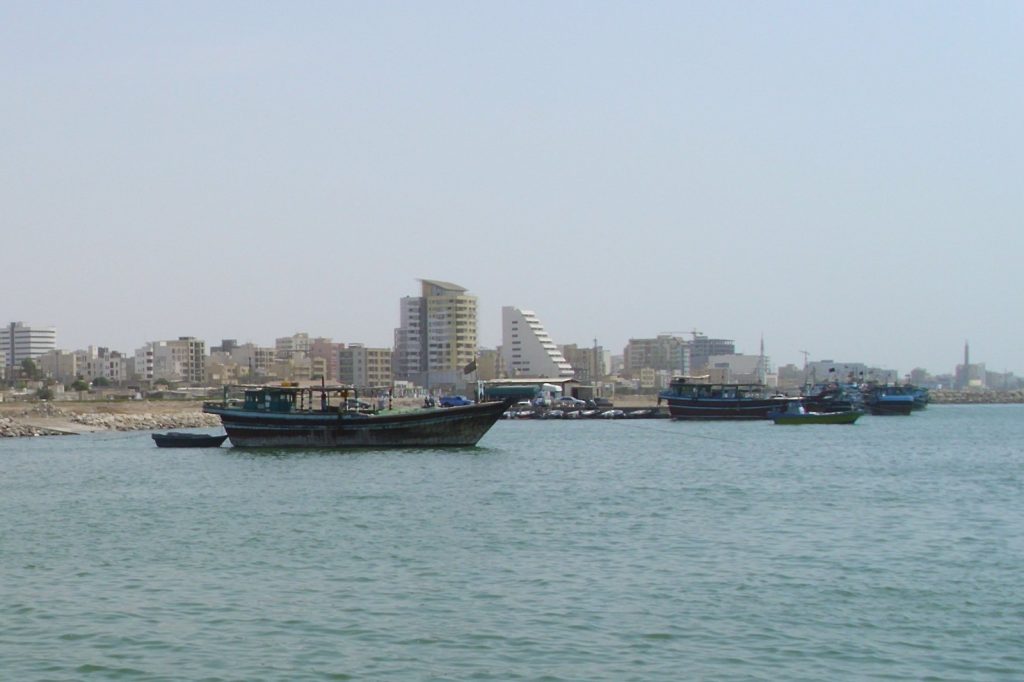
On the timeline, the seizure was the second move, not the first. On July 4, UK forces held the Iranian tanker Adrian Darya-1, previously Grace 1, off Gibraltar on suspicion of breaking European Union sanctions on Syria. Fifteen days later the Stena Impero, passing through international waters in the strait, was detained by the Revolutionary Guard Corps, which accused it of colliding with a fishing boat and ignoring calls; the owners said no evidence supported that account. Britain dispatched a Royal Navy frigate and warned Tehran the seizure was illegal. The frigate did not arrive in time, and the tanker spent its captivity anchored at Bandar Abbas, in position from July 20.
The people on board were the point, according to the unions that represent them. Nautilus International and the International Transport Workers’ Federation issued a joint statement as the detention began, calling for a diplomatic resolution. David Heindel, chair of the ITF Seafarers’ Section, put the exposure plainly: “Seafarers are concerned about the risk to their safety.” His demand went to governments and industry together: “It’s essential that the maritime industry and governments work collectively to guarantee safe passage and defuse conflict in such a vital region.”
The release resolved the ship and not the argument. Iran’s Ports and Maritime Organisation said the vessel was freed “despite there being an open court case” against it, and Tehran continued to deny the seizure was retaliation for Gibraltar. That parallel case festered on its own schedule: after the Adrian Darya-1 was let go, Washington blacklisted it and threatened sanctions against any buyer of its 2.1 million barrels of Iranian crude, Iran announced in September that the cargo had been sold, and UK Foreign Secretary Dominic Raab summoned Tehran’s ambassador over it.
The chief executive of Stena Bulk, Erik Hanell, kept his statement on the humans: “Full support will be offered to the crew and families in the coming weeks to assist with their recovery,” he said. The wider file stayed open. The Gulf that summer carried a string of tanker confrontations and an attack on Saudi oil facilities blamed on Tehran by the US and Saudi Arabia; Britain and Iran remained at odds over Nazanin Zaghari Ratcliffe and an unpaid tank debt; and London announced it would join a US-led taskforce in the Gulf. For the twenty-three men who sailed the Stena Impero, the compensation was narrower: a debrief in Dubai, medical checks, and two months back.
Sources
- Stena Impero: Seized British tanker leaves Iran's waters
- Tanker crew detained as Gulf tensions escalate | ITF Seafarers




