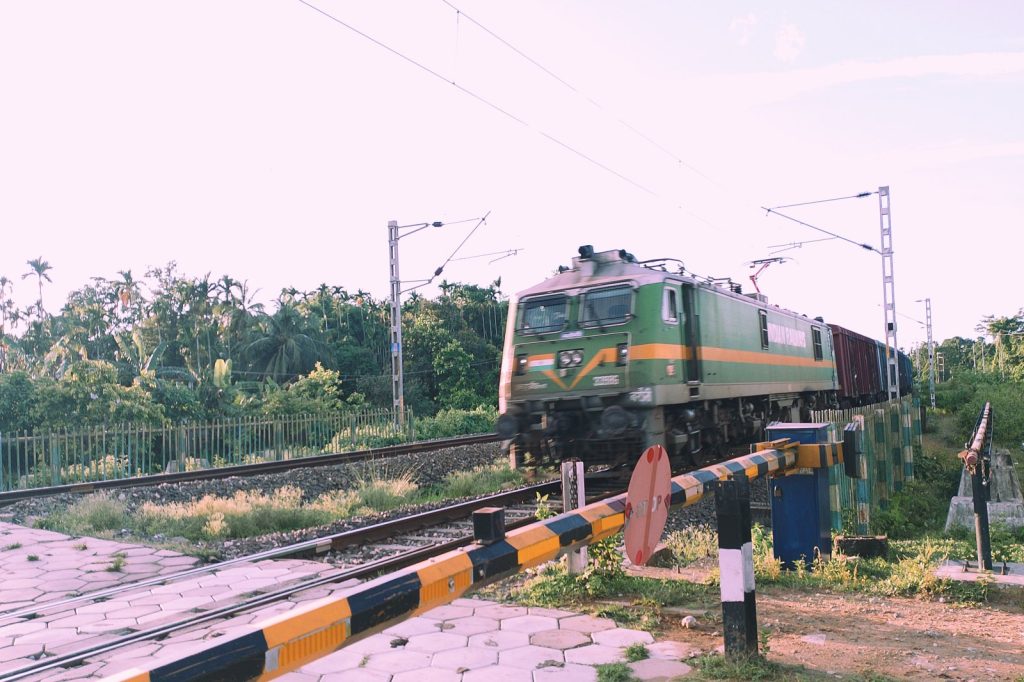
NEW DELHI, July 17 — India has put its first hydrogen-powered train into service, a zero-emissions vehicle that officials said represents a significant step in the country’s efforts to modernise its vast rail network. The train produces no harmful exhaust gases, a development that rail authorities and international observers have framed as a move toward cleaner transport in one of the world’s most populous nations. The train’s hydrogen fuel cells combine hydrogen and oxygen to generate electricity onboard, with water vapor as the only byproduct.
This design eliminates carbon dioxide, nitrogen oxides, and particulate matter — the pollutants long associated with India’s diesel-powered locomotive fleet. According to state and international reports, the system requires no overhead electrification, meaning the train generates its own power as it moves.
The 1200 kW fuel cell system is the heart of the operation. Officials said the project includes dedicated hydrogen storage and refuelling infrastructure built specifically to support the zero-emission running of the train. The account indicates that India is not merely testing a single prototype but is establishing the supply chain needed to sustain hydrogen rail operations.
Regional and global context
India’s move aligns with broader efforts to decarbonise rail transport that have been underway for years in other parts of the world. According to available reports, similar zero-emission hydrogen trains are already in service or in testing phases in Germany, Japan, China, and the United States. Each of those countries has pursued hydrogen rail as an alternative to diesel on routes where overhead electrification is too costly or impractical.
For India, the stakes are high. The country operates one of the largest rail networks on the planet, much of it still running on diesel.
The shift to hydrogen represents a potential transformation in how the railways source and consume energy. The Indian government has framed the project as part of a broader push toward energy security — reducing dependence on imported fossil fuels by harnessing domestically produced hydrogen.
Technical and infrastructure challenges
The hydrogen train’s onboard generation system means it can operate on non-electrified tracks, a significant advantage for a country where large stretches of rail remain without overhead wires. But the infrastructure required — hydrogen production, compression, storage, and refuelling — is new for India’s railways. Officials said the dedicated facilities built for this project are meant to prove the concept can work at scale.
Observers will be watching how the refuelling network performs. Hydrogen refuelling for rail is still a nascent technology globally, and India’s experience will offer lessons for other developing economies considering similar transitions.
The train itself produces only water vapor, a fact that railway officials have highlighted as a clean break from the soot and fumes of diesel operations. What comes next depends on how the initial service performs. If the hydrogen train proves reliable and cost-effective, India may expand the model to other routes.
The project is being watched closely by rail authorities in other Asian and African countries that face similar challenges — ageing diesel fleets, limited electrification, and a need to cut air pollution in densely populated corridors.