
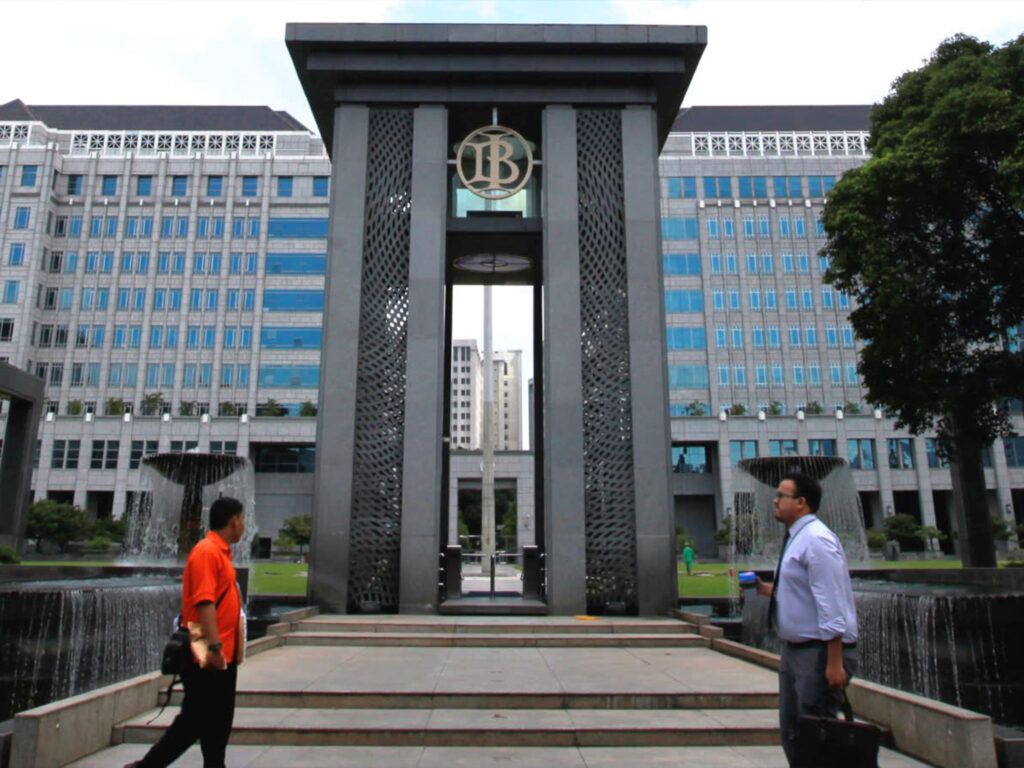
Jakarta Moves Before the Virus Arrives
Thursday’s monetary policy decision in Jakarta carried an unusual twist: bankers at Bank Indonesia eased the key interest rate while their country still had zero confirmed infections of the new coronavirus. Nikkei’s Shotaro Tani reported the move as a first for the bank in four months, driven by worry over what the outbreak might do to growth rather than by damage already visible at home. Bond purchases rode along with the rate decision, doubling the stimulus in a single sitting.
Why Ease Into a Shadow
Epidemics hurt economies before they ever arrive, and trade-dependent nations feel the squeeze earliest. Factory shutdowns in China and evaporating travel hollow out export orders and tourist receipts, and financial conditions tighten as investors retreat from risk. A cheaper policy rate works through the credit channel, trimming what firms pay to hold inventory and what households pay on debt, while central bank bond buying steadies the prices that anchor wider lending. Choosing both instruments at once reads as an attempt to get ahead of confidence, since expectation, not yet the pathogen itself, was the transmission route reaching Indonesia that week.
The Governor’s Recent Pattern
The person steering the decision was Governor Perry Warjiyo, and the direction was hardly new under his hand. Across the preceding year he had presided over 100 basis points of reductions in the same key rate, so Thursday’s step extended an easing streak rather than launching one. What changed was urgency: a bank that had been adjusting to soft domestic demand now faced a shock arriving from abroad, with no local case count to measure it by.
The Odd Logic of Precaution
Acting before any confirmed case looks strange only if policy is judged against medical facts. Judged against markets, it is orthodox. By the time infections surface in the data, credit has usually already tightened and cancellations have accumulated, and a central bank that waits for confirmation inherits a harder problem. Indonesia’s 2020 dilemma, cutting into calm skies because neighbors’ skies were darkening, is a pattern small open economies know well: the virus needed no visa to reach the real economy, arriving through trade balances and booking sheets long before it reached any patient.
On the record, then, the facts stand small and firm: a key rate reduction announced in Jakarta on a Thursday in February 2020, the first such cut in four months, joined by bond purchases, justified as growth support amid coronavirus concern, in a country that had confirmed no cases at all.
Sources
Sources
- Indonesia cuts key rate, buys bonds to soften coronavirus impact
- THE IMPACT OF COVID-19 PANDEMIC ON BANKS IN INDONESIA




