
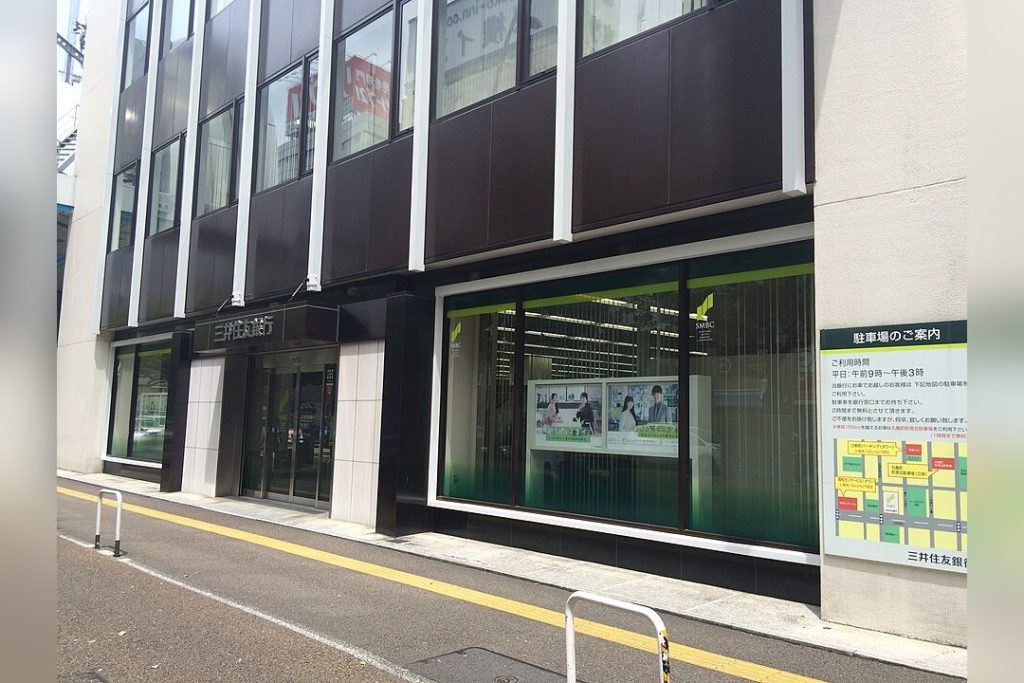
Japan’s Financial Services Agency has issued a business-improvement order to Sumitomo Mitsui Banking Corporation, targeting how the lender manages information across its network of companies. The order, dated June 15, 2024, carries significant weight for one of the country’s largest financial institutions.
The core issue is trust. SMBC operates at the center of a financial network spanning retail banking, corporate lending, and investment services. When the FSA flags information-sharing practices, it questions the fundamental connections that link those operations.
Poor data flows between group entities can lead to mispriced loans, compliance failures, or leaks of sensitive customer data. The FSA has not released the full text of its order, leaving the precise failures unclear.
However, the message is clear: the regulator sees gaps. SMBC must now demonstrate how it will address them, likely through new internal policies, tighter access controls, and periodic progress reports to the FSA. For a bank of SMBC’s size—headquartered in Marunouchi, Tokyo, and owned by Sumitomo Mitsui Financial Group—compliance overhauls are expensive and disruptive.
They also attract attention. Other Japanese banks will watch closely to see what the FSA demanded and whether similar scrutiny could apply to them.
SMBC may push back. The bank has argued internally that its existing information-sharing safeguards are robust and that the FSA’s order is unnecessary. However, the regulator holds the authority.
A business-improvement order is a formal directive with consequences if ignored. The bank can contest specifics but cannot simply dismiss them.
The history of SMBC adds context. Formed in 2001 through the merger of Sakura Bank and The Sumitomo Bank, the institution carries two separate financial lineages. Sakura Bank grew out of the Mitsui zaibatsu, founded as Mitsui Bank in 1876.
The Sumitomo Bank emerged from the Sumitomo zaibatsu, established in 1895. Merging those cultures and information systems has taken decades.
The FSA’s order suggests that integration work may not be finished. For customers and investors, the stakes are concrete. A bank under a business-improvement order faces heightened regulatory oversight, which can slow decision-making, increase costs, and distract management from core business. In a competitive banking environment, those frictions can erode profit margins and market share.
The FSA is sending a signal. Japanese financial regulation has tightened in recent years, and no institution is too large or too old to face scrutiny.
SMBC, with its 148-year-old Mitsui lineage and 129-year-old Sumitomo lineage, must now prove it can meet modern standards for transparency and control. The order tests not just SMBC’s systems, but the regulator’s willingness to enforce them.




