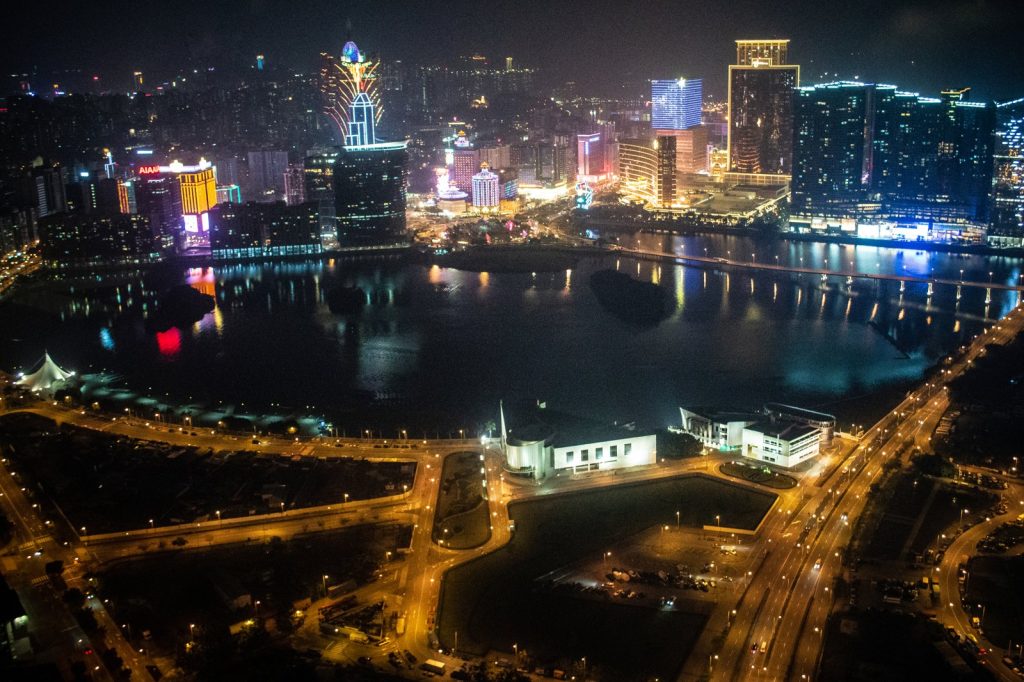
A decision by the Macau government to halt commercial operations for fifteen days in February 2020 revealed the inherent instability of an economy heavily reliant on indoor gatherings. Between February 5 and February 20, the city’s casinos were emptied as authorities took a preemptive measure to stop a potential catastrophe before it fully materialized. At the time of the order, the region had recorded only ten confirmed infections of the coronavirus.
This action was without precedent in the region’s history. While a 2018 typhoon had previously forced a shutdown, that event lasted only thirty-three hours and had a defined conclusion.
In contrast, the pandemic presented a different set of risks. Health officials determined that the danger of the virus spreading via tourists, dealers, chips, and crowds outweighed the guaranteed financial loss of closing the casinos. This risk assessment has since become a cornerstone of future policy.
The Financial Impact of the Shutdown
The economic consequences of the closure are evident in the revenue data. In February 2019, the casinos generated 25.4 billion patacas.
By February 2020, that amount plummeted to 3.1 billion patacas, representing an 88 percent decrease. This gap of 22.3 billion patacas—approximately 387 million dollars—is a permanent loss, as the time-sensitive nature of the gambling business means empty tables cannot be resold. The collapse illustrates how a single government mandate can instantly erase revenue in a highly concentrated economy.
Because the gambling industry requires physical presence to function, the money stopped flowing the moment the rooms were vacated. This experience showed that regardless of VIP suites, loyalty programs, or marketing efforts, the industry remains defenseless against public health emergencies.
A Precarious Path to Recovery
When operations began to reopen gradually on February 20, it did not mark a restoration of the status quo. Instead, it initiated a period of uncertainty characterized by tightening travel restrictions and a slow return of tourists, primarily from mainland China.
The industry entered a phase of constant vigilance and reduced capacity, facing the possibility of stop-start operations if case numbers rose again. The government’s strategy was essentially a gamble: betting that a brief, aggressive shutdown would contain the virus and enable a quicker recovery. The alternative—remaining open and risking a widespread outbreak—could have resulted in more severe economic damage and a more prolonged closure.
While the low number of ten confirmed infections suggests the strategy was successful, the financial price was steep. Macau’s ordeal serves as a warning for all global gambling hubs.
The situation demonstrated that the industry’s sophistication cannot protect it from government-mandated closures. As the region looks forward, the primary concern is whether the sector can withstand another similar decision. Future public health threats will likely force the same choice, and the resulting outcome may be identical.