
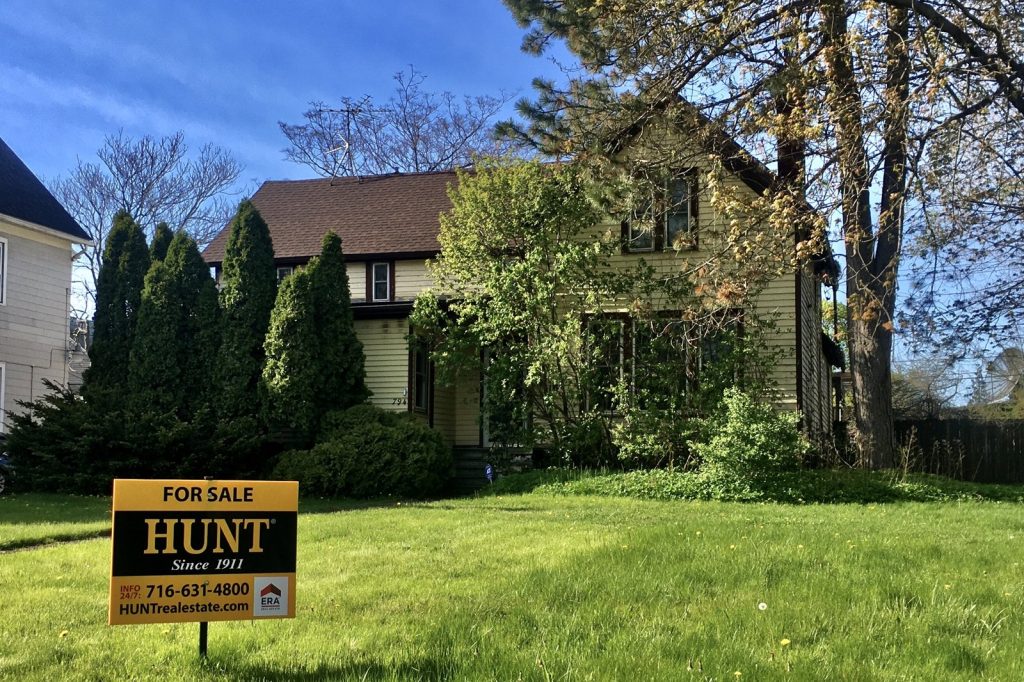
The median single-family home now costs four hundred forty-six thousand four hundred dollars. To qualify with a standard twenty-percent down payment at six-point-five-seven percent interest, a family needs one hundred nine thousand one hundred fifty-two dollars a year.
Six months ago the number was ninety-three thousand five hundred fifty-two. The income threshold jumped more than fifteen thousand dollars in half a year. Home prices rose. Mortgage rates stayed stubbornly high.
Pending home sales dropped five-point-four percent in June, the biggest monthly decline of the year. First-time buyers are waiting on the sidelines.
The country is short more than four million homes. When supply runs that thin, prices hold even as affordability collapses. Rates recently reached their highest level in nearly a year. A small rate move adds hundreds to a monthly payment and can push a borrower out of qualification.
Affordability varies wildly by region. In parts of the Midwest and South, moderate incomes still qualify. In coastal metros, two full-time paychecks can fall short. Local housing finance agencies have the real numbers – and often local grants – for your area.
On July 11, 2026, the 21st Century ROAD to Housing Act took effect. A bipartisan bill with more than fifty provisions to boost supply and affordability. It encourages construction, eases financing, and limits large investors from snapping up single-family homes. Experts say it will not move the needle for buyers this year. Building takes years.
HUD says housing costs – mortgage, taxes, utilities, insurance – should not exceed thirty percent of pre-tax income. That is a clearer gauge than what a lender approves.
Down payment assistance programs exist, especially for first-time buyers. HUD lists them by state.
Your credit score drives your rate. Check your report free at AnnualCreditReport.com before you shop.
Get quotes from at least three lenders. Rates vary. The Consumer Financial Protection Bureau has a comparison guide at consumerfinance.gov.
Builder confidence sits at its lowest level in over a decade. Many are cutting prices and offering incentives. New construction may offer better terms than resale.
If buying is not realistic yet, Section 8 rental assistance can help. Section8Search.org guides applicants through the process.
The bottom line: prices are high, rates are high, and the country lacks millions of homes. A new law may help future buyers. For now, control what you can – budget, credit, rate shopping, assistance programs. Homeownership takes more patience than it used to. It is still possible.




