
WELLINGTON — New Zealand’s merchandise terms of trade dropped 9.0 percent over the June 2026 quarter — the steepest slide since June 2009 and the fifth largest in a series running since 1957. The sting for an exporting country: the fall landed in a quarter when the prices it received for exports actually rose 3.5 percent.
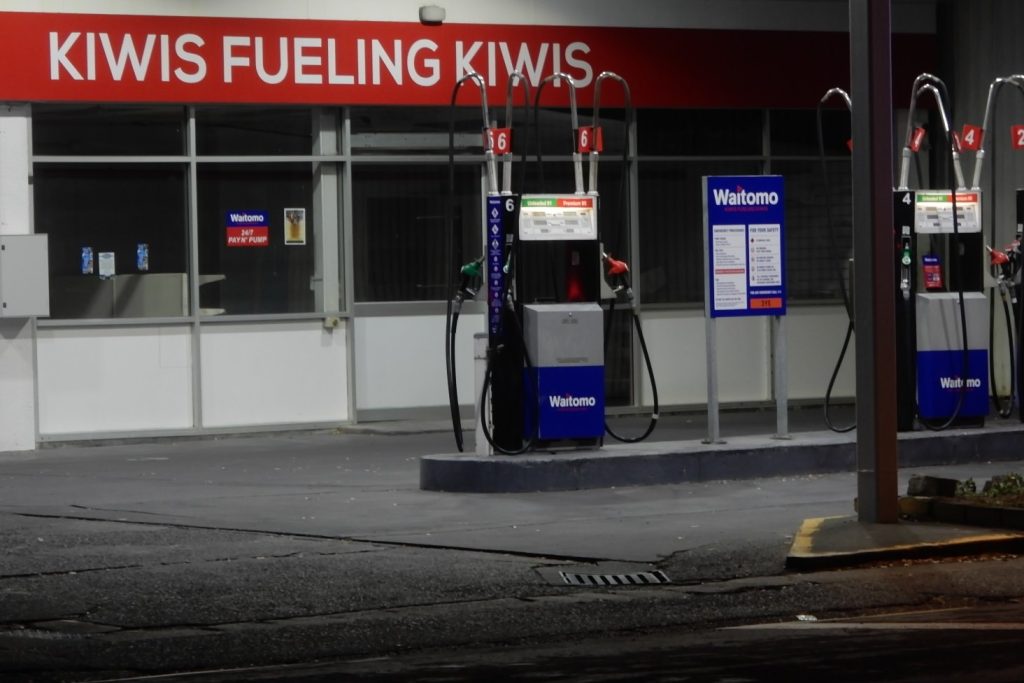
The entire move sat on the import side. Import prices climbed 13.8 percent, led by a 79 percent surge in petroleum and petroleum products. Strip fuel out and imports rose just 2.1 percent, less than exports did; ex fuel, the terms of trade would actually have risen.
The index path shows a fall from a high base. Set against June 2002 at 1000, it read 1592.8 last December, eased to 1562.0 by March, then slid to 1421.4 in June — 9.4 percent under June 2025 and the weakest since June 2024, yet still above the 2010-2025 average of 1385.9.
The fuel lines are stark on their own. The processed-fuel index excluding petrol and avgas, mostly diesel and jet fuel, jumped 86.7 percent, dwarfing its previous record rise of 50.6 percent in June 2022 and the 45.3 percent of the December 1990 Gulf War quarter. Petrol and avgas rose 55.5 percent. Its petroleum import price index now sits 8 percent above the September 2022 peak. New Zealand slashed petroleum import volumes 9.0 percent, yet spent 63 percent more anyway, the bill running from $2.29 billion in March to $3.73 billion in June. Fuel’s share of imports hit 17.1 percent, up from 11.5 percent and the heaviest since June 2014.
History sharpened the comparison. The 13.8 percent import rise is the biggest since the September 1984 quarter’s 16.3 percent devaluation shock; the 1974 and 1975 falls paired oil surges with falling farm prices, and June 2009 was the mirror image, dairy prices collapsing while imports got cheaper. June 2026 marks the series’ first drop this big with exports themselves rising — and analysts note every sharp drop during rising exports, in 1979 and 1990, has coincided with an oil price jump.
The exchange rate is not the channel. The kiwi slipped 1.3 percent against the US dollar, from 0.5857 to 0.5778, and the trade-weighted index fell 1.1 percent, from 66.81 to 66.09 — worth roughly one point of the import rise. The rest is the world fuel price landing on a small open economy. A devaluation touches every import; a fuel spike can reverse.
The shock also arrives at full force by design. New Zealand has refined nothing since Marsden Point quit crude processing in late March 2022, so every litre arrives as finished product at world prices — the part of the bill the country once absorbed domestically. The Reserve Bank put it on the record on 2 September: “Global supply chains, refining capacity, and trade flows remain disrupted”
The retail face told the same story. The June-quarter CPI rose 1.5 percent, taking annual inflation to 4.1 percent from 3.1 percent in March, with petrol up 20.1 percent and the diesel-inclusive fuels group up 47.7 percent in three months. Tradable inflation jumped from 2.5 to 4.9 percent annually while domestic inflation eased from 3.5 to 3.4. “Excluding vehicle fuels, annual CPI inflation decreased to 2.9 percent in the June quarter.” the central bank said in September.
Policy moved in step. The official cash rate, down at 2.25 percent since November 2025, was lifted to 2.50 percent on 8 July, then to 2.75 percent on 2 September. “Inflation increased to 4.1 percent in the June quarter because of higher fuel prices arising from the conflict in the Middle East.” the Monetary Policy Committee said, having noted in July: “Following the partial reopening of the Strait of Hormuz, global oil prices have fallen markedly.”
The wider market read: a world price event, concentrated in one commodity, already passed through to pumps and policy — with the direction of the next quarter resting on oil, not on anything Wellington does.




