Brent crude closed Friday at $87.33 a barrel, down 3.4% on the day and 6.2% on the week. It was the lowest level since March 5, and traders put the blame on talk that Washington and Tehran are nearing a deal.
West Texas Intermediate fell 3.2%. European natural gas prices slid as much as 8.4%.
Mixed signals from the leaders
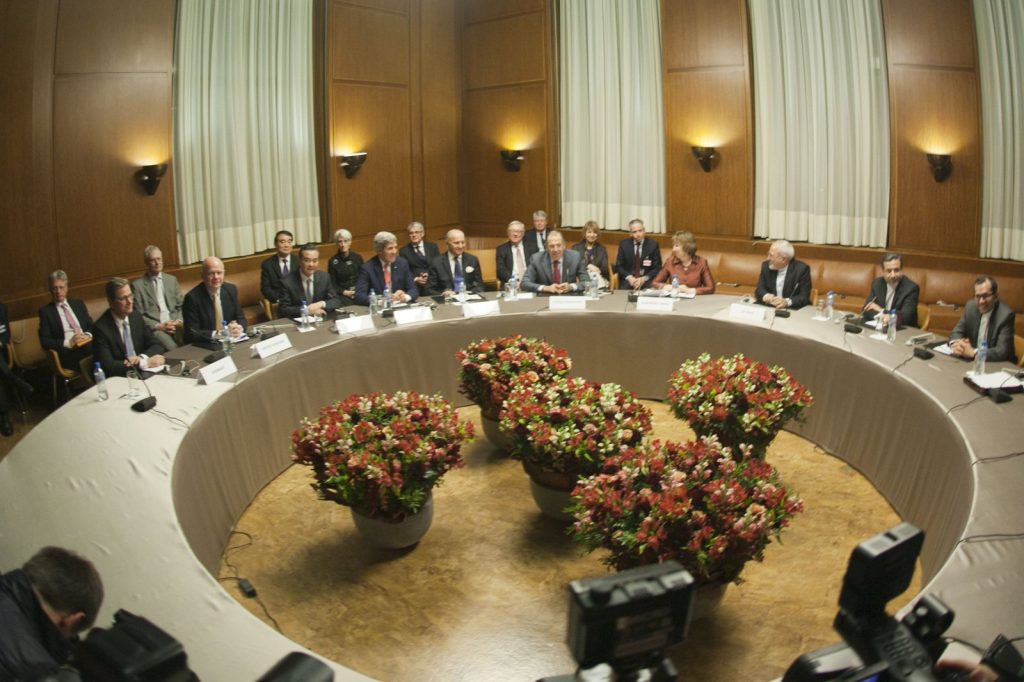
President Trump said Thursday that negotiators had finalized an agreement that should be signed soon. By his account, it would reopen the Strait of Hormuz, end the US naval embargo on Iran and guarantee Tehran gives up nuclear weapons. On Friday his tone turned harsher. Iranian public statements, he said, bore “no resemblance to the provisions mutually accepted in documented form,” and he ruled out “authentic good faith negotiations” with Tehran.
Iranian Foreign Minister Abbas Araghchi said a memorandum of understanding had come “unprecedented proximity” to completion, and asked media to hold off on speculating about its terms. Pakistan, the main mediator, went furthest. Prime Minister Shehbaz Sharif said negotiators had finalized an agreed framework and that Islamabad was working with both governments on the next steps. He called it the closest “peace has ever come.”
Markets are not fully convinced. Earlier announcements of breakthroughs fell through, and the back-and-forth between the two capitals keeps adding doubt.
Why crude may not fall much further
Prices still sit about 30% below their peak during the conflict. Macquarie strategist Vikas Dwivedi linked the recent $11-per-barrel drop to optimism over a diplomatic settlement, but said crude has downside protection while access through the strait stays restricted. The waterway has been largely closed since fighting began in late February. Before then it carried about one-fifth of global oil and gas shipments.
Chevron CEO Mike Wirth warned Friday that petroleum inventories are nearing “concerning” levels, while the US keeps exporting crude from emergency stockpiles at unprecedented rates. Some vessels have crossed the strait with transponders turned off, and markets have found other ways around the disruption.
Even after a reopening, buyers may favor American crude over Persian Gulf supply for a long time, analysts said. Rob Haworth of U.S. Bank noted that a tanker’s round trip between the strait and Asia takes two months. Scott Shelton of ICAP expected markets to “redistribute procurement” away from the Gulf in the near term.
Demand and rates
OPEC cut its 2026 demand growth forecast to 1 million barrels daily from 1.2 million, and raised its 2027 outlook. The IEA and EIA are more cautious, both projecting demand contractions in 2026. The European Central Bank named the Iran-related oil price surge as a main factor in its decision this week to raise interest rates.
Sources
Sources
- Oil Prices Plunge to Four-Month Lows Amid U.S.-Iran Deal Optimism
- Oil Prices Slide As US Iran Nuclear Deal Talks Gain Momentum