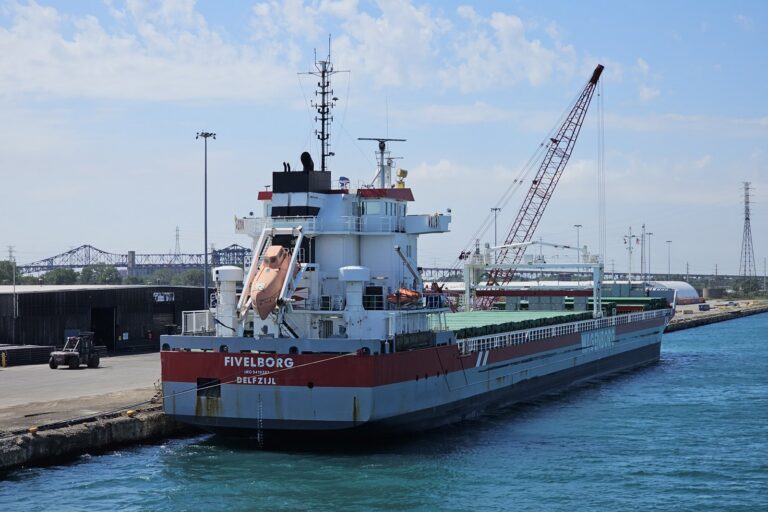
Ship transits through the Strait of Hormuz fell from around 130 a day in February to six in March, a drop of about 95 percent. The figure comes from UN Trade and Development (UNCTAD), which says the strait is virtually closed and that the effects are moving through the world economy within weeks.
The agency’s second rapid assessment follows a first one issued on 10 March. It dates the escalation to 28 February and finds conditions have worsened fast since then. Fuel prices jumped and have stayed high, and the cost of moving oil has climbed sharply, which feeds into what it costs to make and ship goods anywhere.
Who is hit first
Oil and liquefied natural gas carriers, which depend on Gulf routes, have taken the worst of it, with smaller volumes and higher risk costs. Container and dry bulk shipping are more insulated, though not untouched. Shipping and insurance costs are rising together, and inflation is picking up at the same time.
UNCTAD names South Asia and Europe as the regions most dependent on Middle East energy imports. They would be more exposed if the disruption drags on, or if damage to energy infrastructure keeps prices high for longer.
Slower trade, slower growth
Trade began 2026 on a strong footing. UNCTAD expects that to fade. Growth in global merchandise trade is projected to slow from about 4.7 percent in 2025 to between 1.5 and 2.5 percent this year, and global growth from 2.9 percent to 2.6 percent, on the assumption that the conflict does not intensify further.
Developing economies take the harder blow
Investors have been pulling money out of stocks, bonds and currencies in developing countries, and the sell-off has been sharper there than in advanced economies. Weaker currencies make imported fuel and food dearer. Borrowing costs on international markets have risen across developing regions in the weeks since the escalation, and tighter financial conditions leave governments less room to respond.
Even energy exporters are unlikely to see clear gains, UNCTAD says, because higher import costs and volatility eat into the extra revenue. In the most vulnerable economies the pressure adds to risks for food security.
The agency warns that if the situation persists, trade and financial disruption could deepen into a broader, cascading crisis. About 3.4 billion people already live in countries that spend more on servicing debt than on health or education.